The Umrah Visa Now Expires Before You Travel, Not After
The entry window has been cut from three months to thirty days, registration on Nusuk is mandatory with no exemptions, and a new visa lets you come back for a year. Three changes that reward planning.
Sunday, August 16, 2026/3 min read
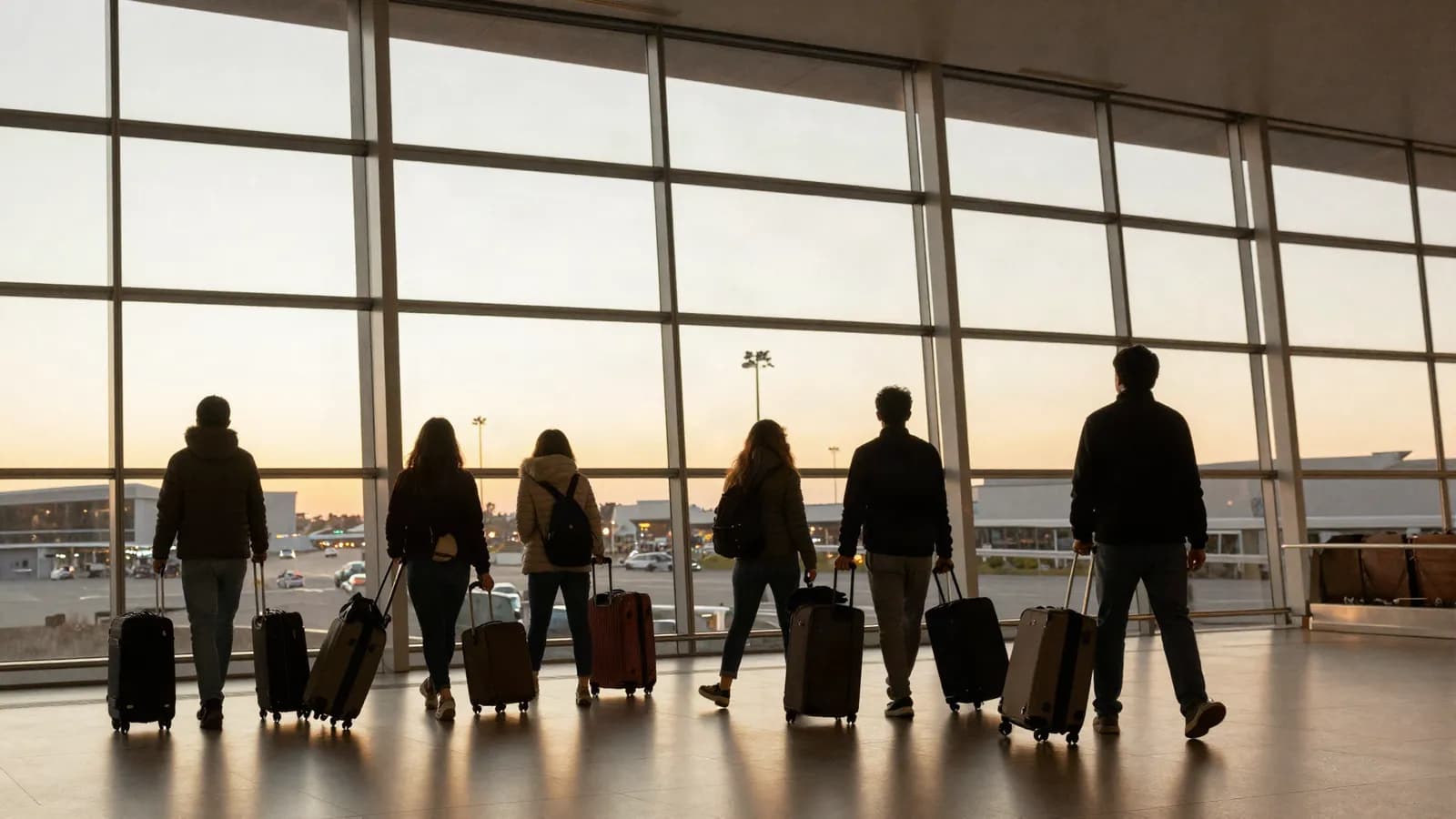
Several things about performing Umrah changed during 2026, and they pull in different directions. One rule is tighter, one is looser, and one quietly rewrites how a trip gets booked.
The thirty-day entry window
An Umrah visa is now cancelled automatically if the pilgrim has not entered Saudi Arabia within 30 days of the visa being issued. The previous window was around three months.
The distinction that catches people out is between entry and stay. The 30 days applies to arriving. Once you have arrived, the permitted stay remains up to 90 days.
Practically, this ends the habit of securing a visa early and deciding on dates later. The visa is now the last thing to arrange rather than the first, and applying before flights are settled risks paying for a document that expires unused.
Nusuk is no longer optional
Every pilgrim must register on the Nusuk platform. There are no country-based exemptions. The platform links the visa, the permits, mosque entry and Rawdah time slots.
Alongside that, accommodation and internal transport now have to be arranged through an approved agent or through Nusuk itself as a condition of visa approval. Booking a hotel independently and sorting transport on arrival is no longer a route that ends in an approved application.
For an experienced traveller this feels restrictive. The reasoning is visible if you have ever seen the crowd management problem at close range: the Rawdah slot system in particular only functions if the number of people expecting to be somewhere matches the number of people the space can hold, and that requires knowing who is coming.
The part that got easier
Two changes cut the other way.
First, the Ministry of Hajj and Umrah confirmed that holders of all visa types can perform Umrah, including personal and family visit visas, stopover visas and work visas. For the millions of residents across the Gulf who travel to the Kingdom for other reasons, that removes a category of paperwork entirely.
Second, and announced in late July 2026, there is now a multiple-entry Umrah visa valid for 365 days. It permits several entries across that year, with a combined stay of up to 90 days in total.
That is a significant change for anyone in the region who would rather make three short trips than one long one, and it fits the pattern of Saudi tourism policy over the last few years: fewer categories, longer validity, more digital, more tied to a booking.
How does this change the way you plan?
The order of operations is now fixed. Decide the dates. Book accommodation and internal transport through an approved channel. Register on Nusuk. Apply for the visa last, inside 30 days of travel.
Anyone applying in the old order, visa first and details later, will meet the new rule at the worst possible moment.
It is also worth noting how this interacts with the season. Umrah demand concentrates around school holidays and Ramadan, and both the accommodation requirement and the Rawdah slot system mean the good times are allocated earlier than they used to be. In the Gulf that now means planning around the published term calendar rather than around when flights look cheap.
Can you perform Umrah on a tourist or visit visa?
Yes. The Ministry has confirmed that all visa types are eligible, including visit, stopover and work visas. The Nusuk registration and permit requirements still apply, because those govern access to the sites rather than entry to the country.
For the wider picture of how Saudi Arabia is reshaping travel, our pieces on the tourism strategy and on AlUla cover the ground either side of the pilgrimage economy.
Published in The Outspoken Digest
Editorial desk
Outspoken Digest Travel DeskDestinations, airlines, borders and the practicalities of getting there.
Newsletter
The Digest, in your inbox
One edition, sent when it is ready. No noise, and your address is never passed on.
Read Next
More Travel →
Tropical Storm Trudy Is Forecast to Become a Major Hurricane as It Nears Mexico's Pacific Coast
Oct 15, 2026/2 min read

Portugal Picks Lufthansa Over Air France-KLM for a 44.9 Percent Stake in TAP Air Portugal
Oct 14, 2026/2 min read

Hurricane Simon Closes Puerto Vallarta's Airport and Sends Tourists to Shelters as a Category 4 Storm Nears Mexico
Oct 10, 2026/2 min read