Indonesia and the US Put a Community Watch on the USS Houston Wreck in the Sunda Strait
A 227,000 dollar Ambassadors Fund grant will train three village monitoring groups in Banten to guard the 1942 heavy cruiser, a war grave that has lost its bell, hull plates and rivets to looters.
Tuesday, November 3, 2026/3 min read
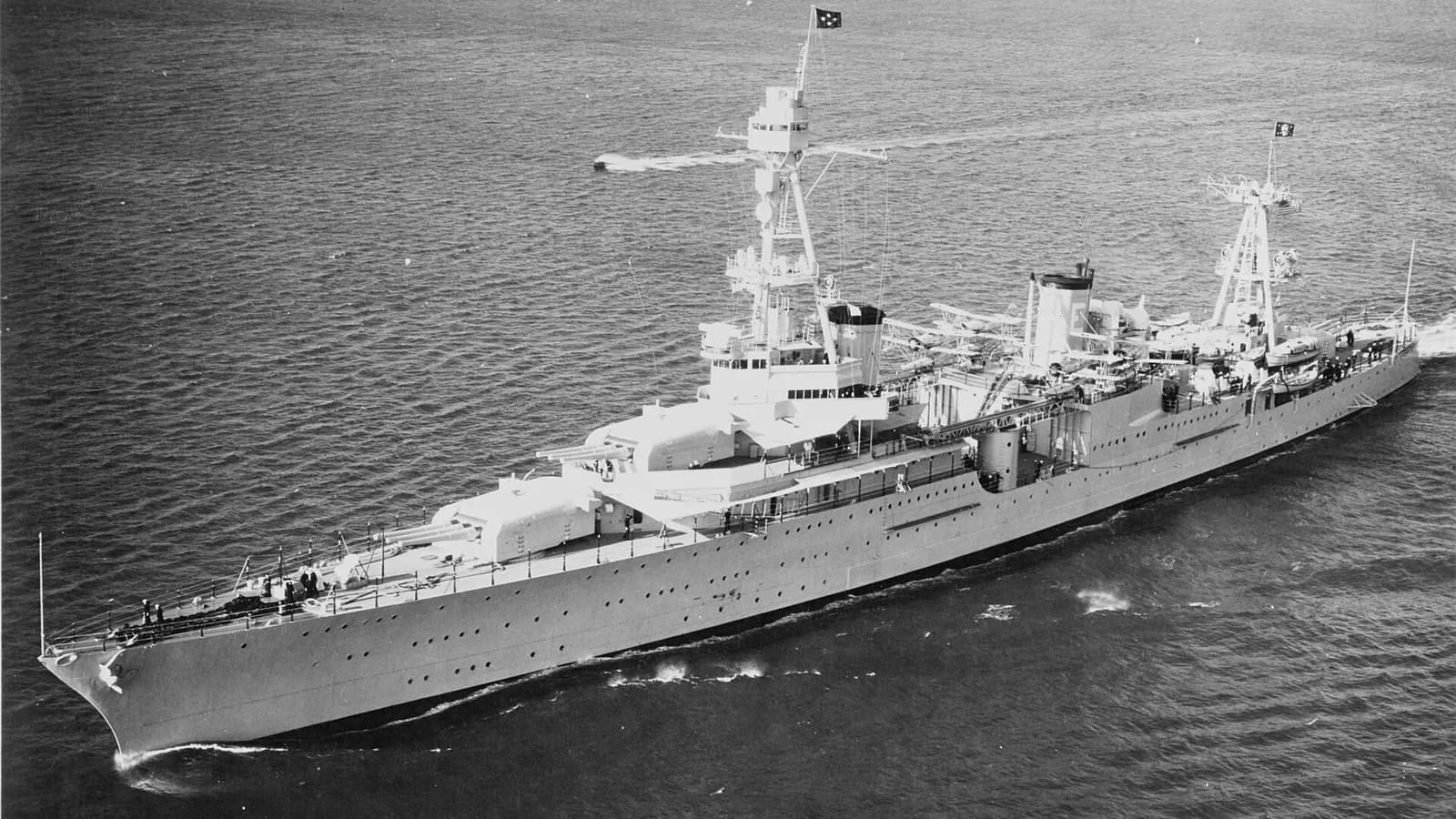
The heavy cruiser USS Houston has lain in the Sunda Strait since the night of 28 February to 1 March 1942, and for most of that time the people best placed to see who was diving on it were the fishermen of Banten. Indonesia and the United States have now decided to make that the plan. A two-year programme launched in Jakarta on 21 October will set up and train three community surveillance groups on Pulau Panjang, in Karangantu and in Bojonegara to watch the wreck and report illegal salvage and destructive fishing, Divernet reported on Monday.
The money is a 227,000 dollar grant from the US State Department's Ambassadors Fund for Cultural Preservation. Indonesia's Ministry of Marine Affairs and Fisheries, known as KKP, and a local nonprofit, the Organisation of Sustainable Exotica Village, oversee the work, which the ministry says runs for 24 months from late 2026 to mid-2028.
Why the USS Houston wreck needs protecting
Houston was the flagship of the US Asiatic Fleet and went down in the Battle of Sunda Strait alongside the Australian cruiser HMAS Perth. More than 650 American sailors and Marines died, which makes the 183-metre hull a war grave as well as an archaeological site. It lies in about 38 metres of water off the Java coast, within reach of ordinary recreational divers. The US Navy formally closed it to sport diving in 1973, but the ban was never enforceable from Washington, and over the following decades the bells of both Houston and Perth were removed. Navy survey dives in 2014 and 2015 documented hull plates and rivets taken by salvors and fuel leaking from the wreck.
Those are the threats the new programme names. In its 23 October release, KKP quoted its minister, Sakti Wahyu Trenggono, on the need for cross-border collaboration to protect underwater cultural heritage, and I Nyoman Radiarta, head of the ministry's human resources agency, saying community oversight is meant to complement law enforcement rather than replace it. The village groups follow Indonesia's existing POKMASWAS model of community fisheries monitoring, applied here to a shipwreck.
What the Ambassadors Fund project will do
Beyond the three monitoring groups, the programme includes training, a reporting system, public education, exhibitions and a digital information campaign. HeritageDaily reported that US technical experts will support the monitoring systems and information centres, and that the project lead is Nia Naelul Hasanah Ridwan, a KKP researcher and doctoral candidate at Flinders University, who said the hope is that Houston becomes a pilot model for other underwater sites in Indonesian waters. The chargé d'affaires at the US Embassy in Jakarta, Joy Sakurai, described Indonesian communities, government partners and American experts working side by side to safeguard the site.
That ambition is not small. A village-level watch, with a phone number to call and someone who answers, is a cheaper and faster line of defence than a patrol boat that visits twice a year.
What happens at the wreck in November
Divernet also reported that a separate US and Indonesian naval diving activity planned for early November is expected to include an underwater assessment of the wreck and the placing of a commemorative plaque near it. KKP's release does not mention that dive, and no date or result has been published, so it should be read as planned rather than done.
For visiting divers the message does not change. Houston is a grave with the remains of hundreds of men inside it, under Indonesian jurisdiction and the sovereign property of the United States. Looking is not the problem the programme is built to stop; taking is. The first test of whether three village groups can make that stick comes with the next salvage boat that anchors over the hull.
Published in The Outspoken Digest
Editorial desk
Outspoken Digest Diving DeskCovers freediving, recreational and technical diving, dive medicine and the incidents the sport learns from.
Newsletter
The Digest, in your inbox
One edition, sent when it is ready. No noise, and your address is never passed on.
Read Next
More Diving →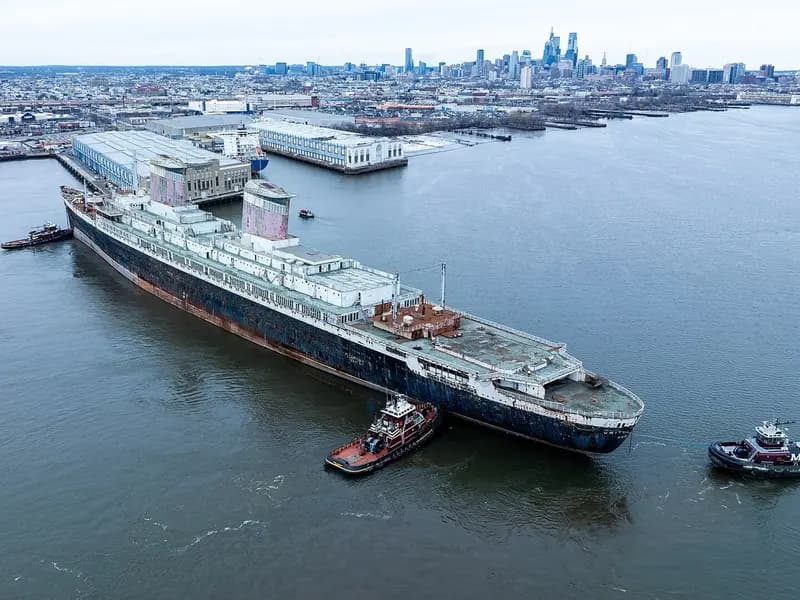
SS United States Sinking Set for 12 November Off Destin, With a Sendoff the Day Before
Nov 3, 2026/3 min read
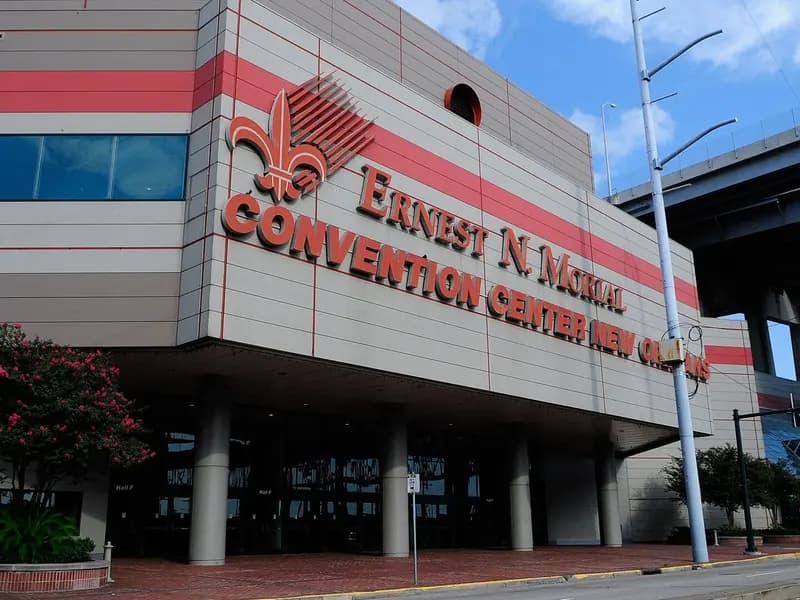
DEMA Show 2026 Opens in New Orleans With a 50th Anniversary, a New Apeks Fin and SSI Overhead Courses
Nov 3, 2026/3 min read
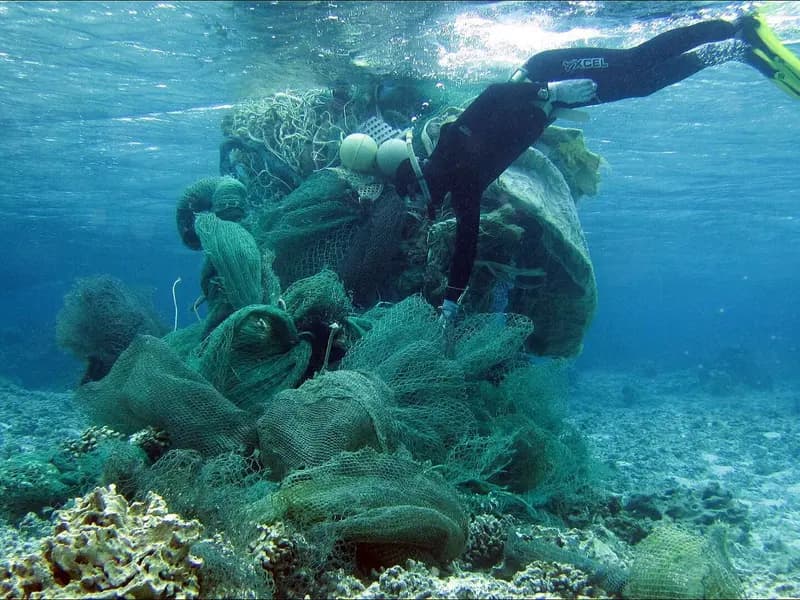
Freedivers on Breath-Hold Have Pulled 1.3 Million Pounds of Ghost Nets Off Hawaii's Remote Reefs
Nov 3, 2026/3 min read
Divers Find the SS Cornwallis, a Canadian Freighter Torpedoed Off Maine in 1944, Nearly 400 Feet Down
Oct 30, 2026/2 min read