Vitalik Buterin Set Out a 2030 Vision for Ethereum as a 'Cryptographic World Computer'
Ethereum's co-founder wrote that the network will stop having every node re-execute every block and instead verify cryptographic proofs of correctness, pairing the blockchain with off-chain computation once its next major upgrade ships.
Tuesday, September 29, 2026/3 min read
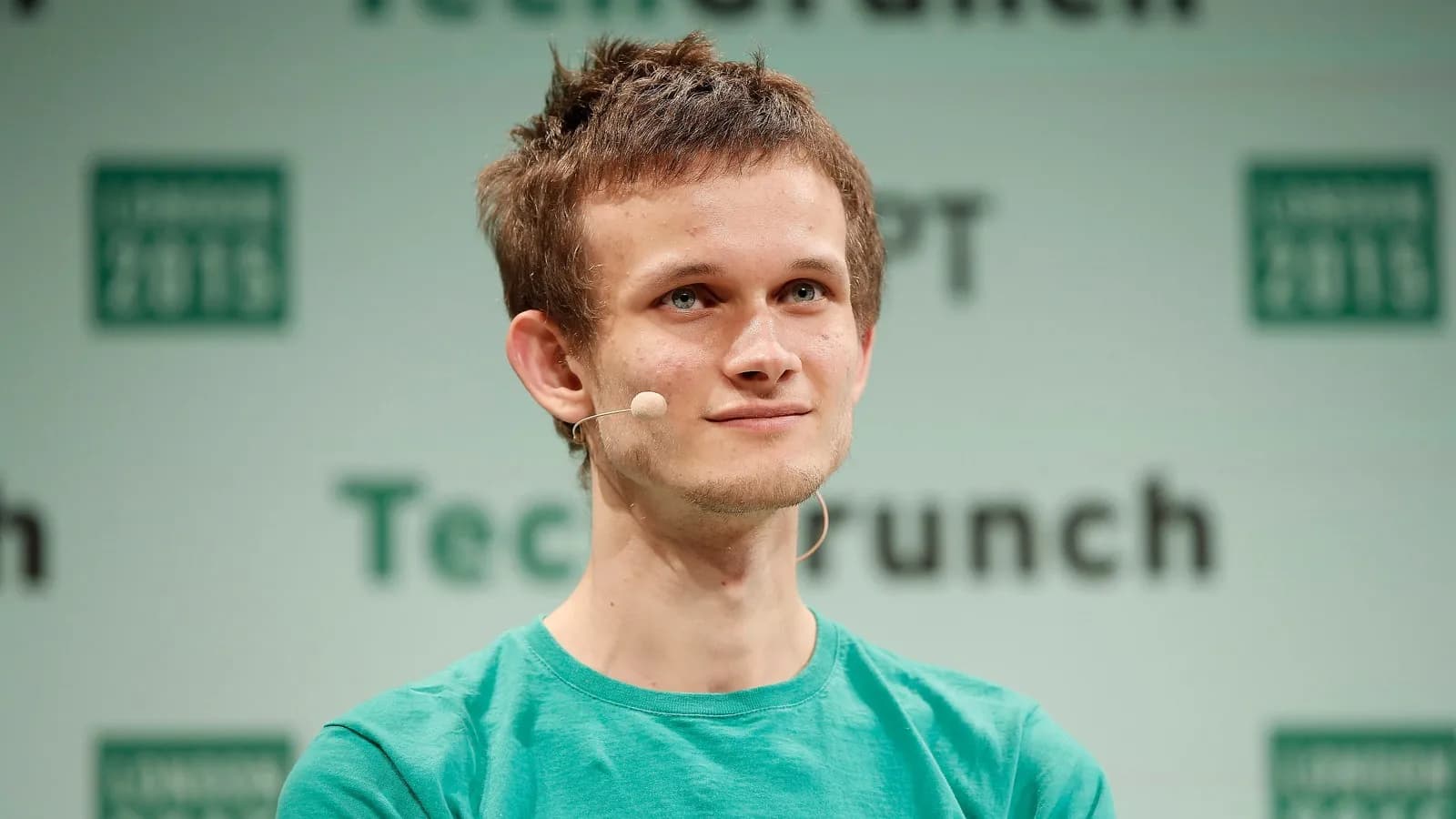
Ethereum co-founder Vitalik Buterin published a lengthy vision statement on Sunday for what he says the network should become by 2030, describing a "cryptographic world computer" that would still be recognisable as a blockchain but would work in a fundamentally different way from how Ethereum operates today. KuCoin's summary of the essay quoted Buterin's central claim directly: "it's really not just a blockchain anymore," describing Ethereum's trajectory toward what he called a hybrid architecture combining blockchains with modern cryptography.
Verify instead of recompute
The centrepiece of Buterin's proposal is a shift he describes as moving from recomputation to verification, in which nodes would no longer re-execute every transaction in every block to confirm the network's state, but would instead sample portions of the data through a technique called PeerDAS and verify cryptographic proofs known as SNARKs that attest the computation was done correctly elsewhere. Crypto.news's analysis of the plan noted that this approach would drastically cut the hardware requirements for running a full Ethereum node, potentially allowing ordinary computers, rather than specialised, well-resourced machines, to participate meaningfully in verifying the network.
Off-chain computation, on-chain trust
Buterin's essay describes five specific changes meant to carry Ethereum toward this 2030 vision, built around the idea that heavy computation can increasingly happen off-chain, in networks of computers working outside the blockchain proper, so long as the results can be checked on-chain through cryptographic proofs rather than trusted on faith. That architecture would let Ethereum retain its core identity as a decentralised, trust-minimised platform even as an increasing share of the actual computational work moves away from the base chain itself, a bet that verification, not raw execution, is what ultimately keeps a blockchain honest.
One last conventional fork on the way
The plan is pegged to Ethereum's next major protocol change, an upgrade referred to as Hegota, which Buterin's essay describes as likely to be the network's last conventional hard fork before development shifts decisively toward integrating zero-knowledge proof systems, including both SNARKs and the related STARK proofs, alongside enhanced privacy features and the broader push toward decentralised off-chain computation. Treating Hegota as a hinge point frames the years immediately after it as the period in which Ethereum's architecture genuinely begins to diverge from the blockchain model that has defined it since launch.
A vision, not a shipped roadmap
As with previous long-range essays from Buterin, the 2030 vision functions as a statement of intent and technical direction for Ethereum's research community rather than a binding commitment with fixed deadlines, and the specific engineering work needed to deliver PeerDAS sampling, production-grade SNARK verification and reliable off-chain computation at scale remains substantial and unfinished. Buterin has a long history of setting out ambitious multi-year technical visions for Ethereum that shape years of subsequent research even when the eventual implementation looks different in the details, and this essay is likely to be read within the Ethereum development community in exactly that spirit.
Why the framing matters now
The essay's timing, arriving as rival layer-one blockchains continue to compete on raw transaction throughput, positions Ethereum's long-term pitch around verifiability and decentralisation rather than speed alone, an argument that Buterin has made in various forms for years but which this essay ties more explicitly than before to a specific, if still distant, architectural endpoint. Whether "cryptographic world computer" becomes the accepted description of what Ethereum actually is by the end of the decade will depend on how much of this ambitious technical programme the network's developers manage to deliver on the timeline Buterin has now put in writing.
Published in The Outspoken Digest
Newsletter
The Digest, in your inbox
One edition, sent when it is ready. No noise, and your address is never passed on.
Read Next
More Crypto →
Nine Crypto Firms Form a Quantum Alliance Because About 6 Million Bitcoin Sit Exposed to a Future Attack
Oct 18, 2026/2 min read

Bitcoin Slips Toward $80,000 After Hot US Inflation and an Asian Tech Rout, With Long Positions Hit Hardest
Oct 15, 2026/2 min read

Bitcoin ETFs Lose $681 Million in a Week, the Worst Since June, as Traders Watch Wednesday's CPI Report
Oct 13, 2026/2 min read

ESMA Tells Licensed Crypto Firms to Stop Serving Non-MiCA Stablecoins and Gives Them Three Months to Unwind
Oct 9, 2026/2 min read