Wellness trends that actually stick vs the ones already dying
Gut health is real, personalized nutrition is trending, but collagen shots are on their way out. Here's what the $6.3T wellness economy reveals.
Friday, July 5, 2024/3 min read
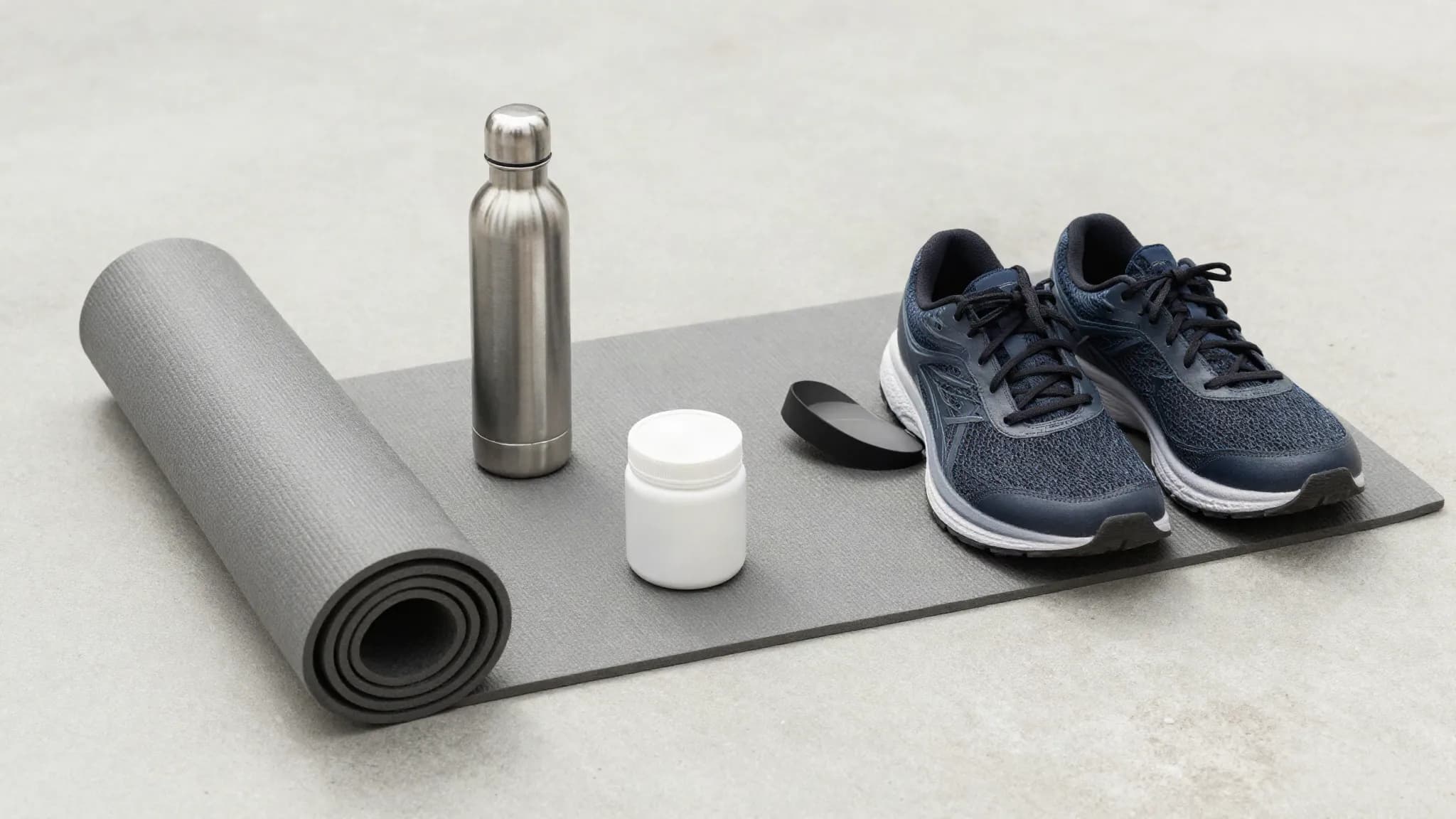
The wellness industry has become a $6.3 trillion global economy, and it's still growing. But not all wellness trends are created equal. Some are anchored in real science, real consumer behavior, and real staying power. Others are aesthetic Instagram moments destined to fade. Understanding which is which matters, especially if you're investing in a habit or product. The good news: the real trends tell us something important about how people actually think about their health now.
The wellness economy has ballooned because consumers are asking harder questions. They want personalized solutions, not generic advice. They're willing to spend money on prevention, not just treatment. And they're increasingly skeptical of one-size-fits-all health regimens. According to the Global Wellness Institute's 2024 monitor, the industry is projected to grow from $6.3 trillion in 2023 to nearly $9.0 trillion by 2028. That's not hype. That's real money flowing into real products and services.
What's lasting: personalized nutrition and gut health
Personalized nutrition is the real deal. It's not a fad. Numerator's research shows personalized nutrition has taken center stage in 2024, driven by advancements in genetic testing and AI. People can now send in saliva samples, get their microbiome analyzed, and receive dietary recommendations tailored to their specific genetic profile. It's not magic, but it's science. And it works better than generic nutritional advice because it's actually about your body, not someone else's body.
Gut health has exploded in mainstream conversation, and the data backs it up. Forty-three percent of U.S. consumers now prioritize gut health as the most important symptom to treat or prevent, surpassing concerns about pain or allergies. This isn't just social media hype. GI products, probiotic supplements, and fermented foods have become mainstream grocery items. Kombucha, once a niche health drink, is now in every supermarket. This trend is sticking because it's backed by emerging science about the microbiome's role in mental health, immunity, and digestion.
What's fading: wellness theater and expensive shortcuts
Meanwhile, some trends are already losing momentum. Collagen supplements, once positioned as a miracle cure for skin and joints, are still popular but facing increased skepticism. The science is mixed. Some studies show benefits, others show minimal impact beyond placebo. The trend is becoming mainstream enough that people are asking harder questions instead of just buying based on influencer recommendation.
Expensive IV drips and vitamin infusions marketed as wellness hacks are struggling to maintain their cult status. The appeal was always partly exclusivity and luxury theater. Now that everyone knows about them, and skeptics have questioned their scientific basis, the demand is normalizing. They'll survive as a niche service for the wealthy and desperate, but the explosive growth is over.
The mental health and digital detox boom
Mental health focus has intensified across all demographics. According to Dr. Axe's analysis of 2024 wellness trends, mindfulness, meditation, and digital detoxes are moving from fringe to mainstream. Mental health apps and teletherapy services are surging. This isn't a trend that's peaking; it's still climbing. The difference is that mental health is now integrated into general wellness conversation, not siloed as a separate category.
Digital detoxes, in particular, are becoming less of an annual retreat and more of an integrated lifestyle. People are taking specific digital sabbaths, using app limiters, and tracking their screen time the way they track calories. This is a structural shift, not a fad.
The longevity economy is real
Perhaps most interesting is the rise of longevity as a wellness focus. The longevity economy is pegged to be worth $610 billion by 2025. This isn't people buying anti-aging face creams. It's serious biohacking, gene therapy research, and interventions designed to extend human lifespan. Younger people are getting interested in NAD+ supplements, senolytics, and metformin as longevity tools. It's niche right now, but it's growing fast and backed by real venture capital.
Young adults aged 18 to 34 are increasingly tracking their health with an intensity that older generations rarely matched. They're monitoring menstrual cycles, sexual activity, water intake, sleep, and bowel movements using apps. This represents a fundamental shift in how people relate to their bodies. Wellness has become data-driven.
The takeaway: the wellness trends that are actually sticking are the ones that solve a real problem with science, personalization, and convenience. The ones that are fading are the ones that promised shortcuts or relied on exclusivity. The future of wellness isn't one product. It's integrated data, personalization, and a willingness to do the unglamorous work of actually understanding your body.
Published in The Outspoken Digest
Editorial desk
Outspoken Digest Health DeskMedicine, public health and the research behind the headlines, read carefully.
Newsletter
The Digest, in your inbox
One edition, sent when it is ready. No noise, and your address is never passed on.
Read Next
More Latest Trends →
Navi Pillay, the South African Jurist Who Led the UN Gaza Inquiry, Wins the 2026 Nobel Peace Prize
Oct 9, 2026/3 min read

Trump Says the US Will Not Attack Iran Before the Midterms, While Tanker Attacks Cut Hormuz Traffic to a Two-Month Low
Oct 9, 2026/3 min read

Russian Strikes Killed 22 in Pryluky and at Least 30 on Two Buses in Kramatorsk Within Two Days
Oct 9, 2026/2 min read

A Year After the Gaza Ceasefire, More Than 100 Aid and Rights Groups Say It Exists in Name Only
Oct 9, 2026/2 min read