Who Pays When a Dive Goes Wrong Far From Home
Diving emergencies far from shore involve costly medical evacuations and coordination. Here is how that response is actually funded and organised, and who calls the shots.
Thursday, June 25, 2026/3 min read
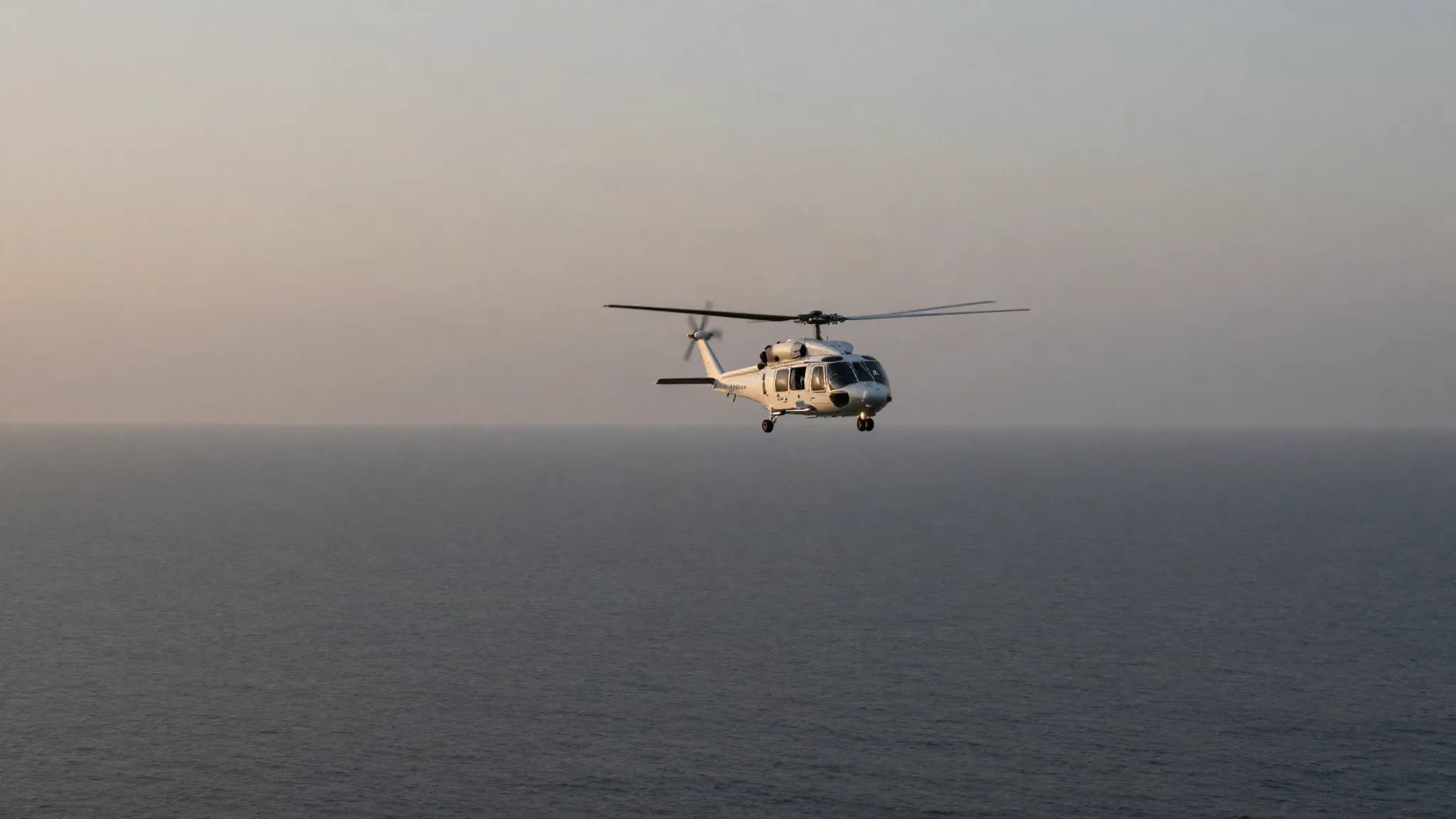
A diving emergency at a remote reef or liveaboard site is rarely just a medical problem. It is a logistics problem first: a diver needs to be moved, often by boat and then by aircraft, to a hyperbaric chamber or hospital that might be hundreds of kilometres away, and every hour of delay can worsen the outcome. None of that logistics is free, and very little of it is automatically covered by an ordinary travel or health insurance policy. That gap is exactly why an organisation like the Divers Alert Network, DAN, exists.
The difference between membership and insurance
One of the more commonly misunderstood points about DAN is that membership and dive accident insurance are two different products, not one. According to DAN's own explainer on membership and dive accident insurance, DAN membership includes coverage for emergency transportation to the nearest appropriate medical facility when a diver is at least 50 miles from home. Dive accident insurance is a separate, optional purchase that covers eligible medical expenses arising from a diving injury itself. A diver can hold one without the other, and DAN explicitly recommends combining both for the fullest coverage.
What emergency evacuation coverage actually pays for
DAN's membership and insurance program overview describes emergency medical transportation and travel assistance benefits available for both diving and non-diving emergencies, with aggregate benefit limits reaching up to 150,000 US dollars under regular membership and up to 500,000 dollars under enhanced membership tiers. Critically, DAN itself arranges the transportation in a covered emergency, rather than leaving an injured diver or their dive operator to organise an evacuation ad hoc while a medical situation is worsening. That arrangement function, someone on the other end of a phone line who already knows which aircraft, boat and chamber to call, is arguably as valuable as the money itself in the first chaotic hour of an emergency.
What dive accident insurance covers separately
Dive accident insurance, detailed on DAN's dive insurance page, functions as secondary medical coverage, paying eligible expenses up to limits that vary by plan, commonly cited up to 500,000 dollars per occurrence, 250,000 dollars per occurrence, or a 125,000 dollar lifetime limit depending on the specific policy chosen. Covered costs typically include hyperbaric chamber treatment for decompression sickness, physician and hospital charges, and emergency transportation by ground, air or marine ambulance. Hyperbaric treatment in particular can be extraordinarily expensive and is not widely available, which is part of why transportation coverage and treatment coverage are usually discussed together rather than separately.
Why this coverage model exists at all
Standard travel insurance policies frequently exclude diving-related incidents outright, or cap coverage well below what an international medical evacuation actually costs, particularly from remote dive destinations reachable only by liveaboard or small regional airport. DAN was built specifically to close that gap for the diving community, evolving from its origins as a diving medicine research and safety body into an organisation that also, in practice, funds and coordinates the exact kind of emergency response a diving accident requires. Regional variants such as DAN World's dive assistance packages extend a broadly similar model to divers outside DAN's core American and European membership bases.
Why this matters beyond individual divers
Large-scale dive emergencies, including major search and recovery operations, routinely draw on exactly this kind of organisational infrastructure. A body like DAN Europe does not simply write cheques after the fact; its medical and safety staff are frequently present in the field, coordinating and monitoring divers during the response itself, a role documented in DAN Europe's own account of major operations it has supported. The membership fee an individual recreational diver pays each year is, in effect, buying into that same standing infrastructure, the aircraft contracts, the chamber network, the medical staff on call, that gets mobilised whether the emergency involves one diver on a routine reef trip or a multinational recovery mission.
None of this replaces good judgment underwater, which remains the first and best form of accident prevention. But it answers a question every diver eventually asks, usually only after they need the answer: if something goes wrong far from home, who actually pays to get you out, and who is on the phone making it happen. For a large share of the world's serious recreational and technical divers, the answer is the same organisation, reached through a membership card most of them are still carrying when the emergency starts.
Published in The Outspoken Digest
Editorial desk
Outspoken Digest Diving DeskCovers freediving, recreational and technical diving, dive medicine and the incidents the sport learns from.
Newsletter
The Digest, in your inbox
One edition, sent when it is ready. No noise, and your address is never passed on.
Read Next
More Diving →
Playing Recordings of a Healthy Reef Drew More Coral and Fish Larvae to Artificial Structures Off Hawaii
Oct 9, 2026/3 min read
Blacktip Sharks Can Hear a Sound From Nearly 250 Feet Away and Swim Straight Toward or Away From It
Oct 1, 2026/2 min read
A Sea Turtle Species Never Recorded Nesting in the United States Laid Eggs on a Southern California Beach
Oct 1, 2026/2 min read
Marine Surveyors Confirmed Living Coral Off Benin, More Than Sixty Years After the Reef Was Presumed Dead
Sep 29, 2026/2 min read