WHO’s New Drowning Plan Moves Safety Beyond Swim Lessons
The PROTECT package treats drowning as a systems failure involving childcare, transport, infrastructure, rescue and climate preparation, not a single bad choice.
Thursday, July 23, 2026/4 min read
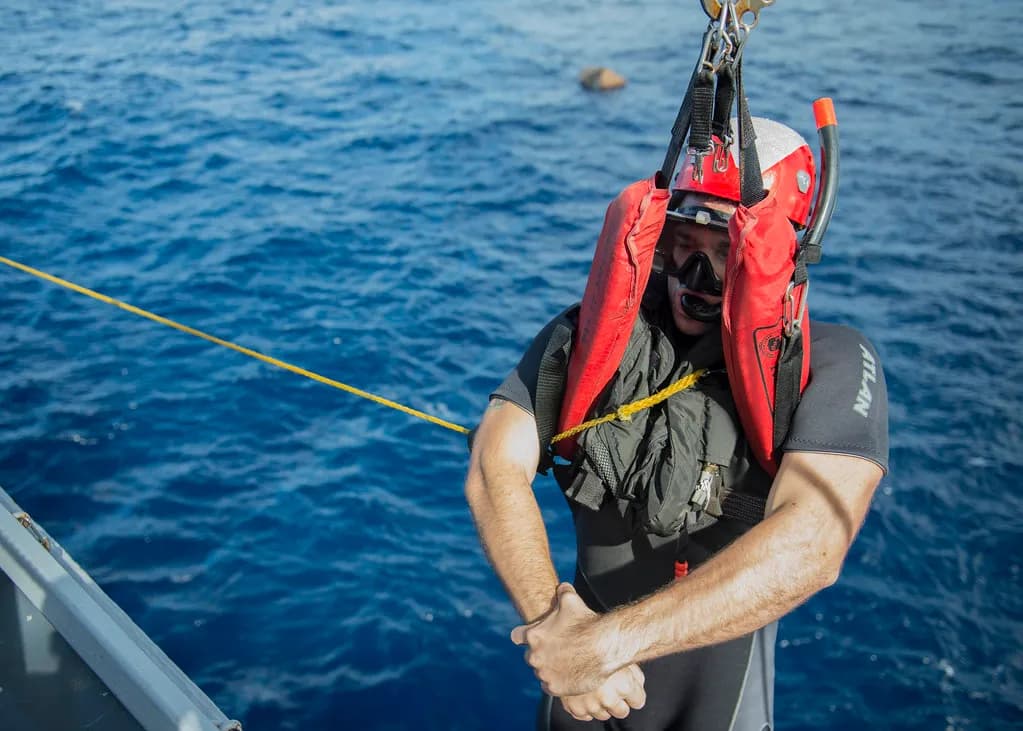
Drowning is often narrated as one terrible moment: a child slips through a gate, a boat overturns, a swimmer is carried beyond reach. The World Health Organization’s new prevention package starts earlier, with the systems that determine whether that moment becomes fatal.
Launched in Accra ahead of World Drowning Prevention Day, PROTECT organizes seven strategies around infrastructure, rescue, work, transport, education, childcare and disaster readiness. The message is deliberately wider than “learn to swim.” Water safety begins with who is exposed, what barriers exist and whether help can arrive in time.
What the seven PROTECT strategies cover
The 88-page technical package is designed for governments rather than individual swimmers. Its seven areas are physical infrastructure around water, rescue and resuscitation, occupational safety, water-transport standards, swimming and safety education, childcare and safeguarding, and preparation for floods and other hazards.
Those categories reflect how drowning actually happens. A fenced well prevents access before supervision fails. A regulated ferry reduces the chance that passengers enter the water at all. Safe childcare keeps a toddler away from a pond during the hours when a parent is working. Bystander rescue training matters after the emergency begins, but it is one layer among many.
WHO estimates that close to 300,000 people die by drowning each year. Its launch release says more than 90 percent of those deaths occur in low- and middle-income countries and that drowning remains among the ten leading causes of death for children aged five to fourteen.
Why swimming lessons are necessary but insufficient
Teaching children basic swimming and water-safety skills is one of the package’s recommendations, and evidence supports it when programs are age-appropriate and supervised. But skill can be overstated. A child who can cross a pool is not prepared for a flooded road, a fast river or cold open water. An adult who swims well can still be injured, intoxicated, trapped or separated from a lifejacket.
Prevention works best when no single layer has to be perfect. Barriers reduce exposure. Supervision catches the breach. Education improves the response. Rescue and resuscitation limit harm when the earlier controls fail. This is the same logic used in aviation and workplace safety, applied to a public-health problem too often blamed on individuals.
The United Nations’ 2026 observance notes that almost a quarter of global drowning deaths involve children under five. That age group cannot carry the burden of its own safety. The design of homes, childcare and local water access has to carry it instead.
Climate change is changing where drowning happens
The new package also places floods and extreme weather inside drowning policy. Warmer conditions can draw more people toward water, while storms and flash floods expose whole communities with little warning. WHO cites British research linking hotter days with sharply higher drowning risk, a relationship that turns heat preparedness and water safety into overlapping work.
Urbanization adds another layer. Fast-growing settlements may sit beside drainage channels, uncovered wells or flood-prone roads without the barriers and emergency services found in wealthier areas. Migration and informal work can also put people on unsafe boats or around water without training or protective equipment.
That is why the program is multisectoral. Health ministries do not set building codes, operate ferries, run schools and issue flood warnings by themselves. A national plan needs transport, education, labor, local government and emergency agencies working from the same risk map.
What the global target requires
The wider Global Strategy for Drowning Prevention aims to reduce deaths by 35 percent by 2035. The WHO launch event focused on turning that ambition into laws, budgets and local programs rather than another awareness slogan.
Ghana hosted the launch as it develops its own water-safety response. WHO estimates roughly 1,100 people die by drowning there each year, with children and young adults carrying a disproportionate share. The country illustrates why global guidance must be adaptable. Risks differ between coastal fishing communities, inland rivers, urban drains and household water storage.
For divers and trained water users, the package is also a useful correction to the idea that confidence in water is enough. Expertise should widen respect for systems, not shrink it. Lifejackets, boat standards, surface support, rescue plans and weather judgment are what keep skill from being tested under impossible conditions.
Prevention has to become routine
The package will matter only if its recommendations enter ordinary budgets and inspections. A barrier around a water source, a supervised child-care space or a properly fitted lifejacket does not create the drama of a rescue, but it removes the emergency before cameras arrive. Governments can help by assigning responsibility across health, education, transport, disaster management and local authorities instead of leaving drowning to one underfunded office.
Measurement is part of that routine. Death records often miss location, activity or the role of floods and transport, which makes it harder to target prevention. Countries need consistent data that can show whether a new rule protects the people it was designed for and whether risk is moving elsewhere. Communities then need results returned in a form they can use, not buried in a national report.
The 2030 target creates urgency, but the work is intensely local. The dangerous pond, ferry route, beach current or flood channel differs from one district to the next. PROTECT offers a common structure while leaving room for that reality, which is precisely why implementation can be both global and specific.
Drowning remains unusually preventable for a cause of death this large. PROTECT’s contribution is to place responsibility where it belongs: across the environments and institutions that shape an emergency long before anyone needs to be pulled from the water.
Published in The Outspoken Digest
Editorial desk
Outspoken Digest Diving DeskCovers freediving, recreational and technical diving, dive medicine and the incidents the sport learns from.
Newsletter
The Digest, in your inbox
One edition, sent when it is ready. No noise, and your address is never passed on.
Read Next
More Diving →
Playing Recordings of a Healthy Reef Drew More Coral and Fish Larvae to Artificial Structures Off Hawaii
Oct 9, 2026/3 min read
Blacktip Sharks Can Hear a Sound From Nearly 250 Feet Away and Swim Straight Toward or Away From It
Oct 1, 2026/2 min read
A Sea Turtle Species Never Recorded Nesting in the United States Laid Eggs on a Southern California Beach
Oct 1, 2026/2 min read
Marine Surveyors Confirmed Living Coral Off Benin, More Than Sixty Years After the Reef Was Presumed Dead
Sep 29, 2026/2 min read