World Cup 2026 Group Stage: The Shocks That Rewrote the Script
Cape Verde held Spain, Uruguay went home early, and the expanded World Cup delivered its most chaotic opening rounds yet.
Sunday, June 28, 2026/3 min read

Nobody predicted this. Not the bookmakers, not the pundits, not the federations who spent two years plotting routes through a bloated forty-eight team bracket. The group stage of the 2026 World Cup closed on June 27 having delivered one of the strangest, most level opening rounds the tournament has ever seen, and the story of it starts on a field in Atlanta with a team most of the world had never watched play.
Cape Verde, an island nation of barely half a million people making their first ever World Cup appearance, walked out against reigning European champions Spain and did not blink. The match finished 0-0. By the numbers FIFA itself tracks, it ranks as roughly the fourth-biggest upset by ranking differential since records began, a small nation ranked 67th in the world standing toe to toe with one of the tournament favorites and refusing to lose.
What was the biggest upset of the World Cup 2026 group stage?
Cape Verde's draw with Spain is the headline, but it was not the only shock. Australia beat Turkey 2-0 in a result that barely made the front pages next to Cape Verde's heroics but arguably mattered more competitively, since Turkey had entered the tournament as many neutrals' fashionable dark horse in a wide-open Group D. Results like that are exactly what the expanded format was supposed to produce more of: unpredictability spread across twelve groups instead of concentrated in eight.
Which favorites actually crashed out early?
Uruguay's group stage was the tournament's clearest disappointment. Marcelo Bielsa's side arrived with genuine ambitions and left without a single win, eliminated at the first hurdle despite a squad most observers expected to at least reach the knockout rounds. It is the kind of exit that gets replayed in Montevideo for years, a golden generation's World Cup ending before the knockout bracket even opens.
The pattern held across multiple groups. Yahoo Sports' running tally of the tournament's shocks reads less like a highlight reel and more like a demolition of the pre-tournament seedings, with traditional heavyweights repeatedly failing to separate themselves from sides playing with nothing to lose.
Is the expanded format to blame for the chaos?
It is hard to separate the format from the outcome. Forty-eight teams means more first-timers, more nations with nothing to lose and everything to prove, and less margin for a favorite to coast through three group games on reputation alone. beIN Sports' review of the group stage surprises makes the case plainly: this opening round produced more genuine shocks than any World Cup group stage in memory, with underdogs performing across virtually every group rather than in one or two isolated pockets.
Whether that is a feature of the new format or simply a wild few weeks of football is a debate that will run long after this tournament ends. What is certain is that the twelve group winners heading into the newly created round of 32 look less like a predictable list of usual suspects and more like a genuinely open field.
What does the group stage mean for the knockout rounds?
The round of 32 begins June 28, and it inherits a tournament that has already broken from form. Cape Verde advance into a new phase carrying real momentum rather than novelty status. Spain, held twice in the group stage, now face a knockout bracket having shown real vulnerability early, exactly the kind of cracks that get exploited in single-elimination football. Uruguay are already home, a warning to any side tempted to treat group stage football in this expanded format as a formality.
What comes next is the part of the World Cup everyone actually remembers: single elimination, no safety net, every match a cliff edge. After a group stage this chaotic, nobody watching is willing to guess what happens on the other side of it.
Published in The Outspoken Digest
Newsletter
The Digest, in your inbox
One edition, sent when it is ready. No noise, and your address is never passed on.
Read Next
More Sports →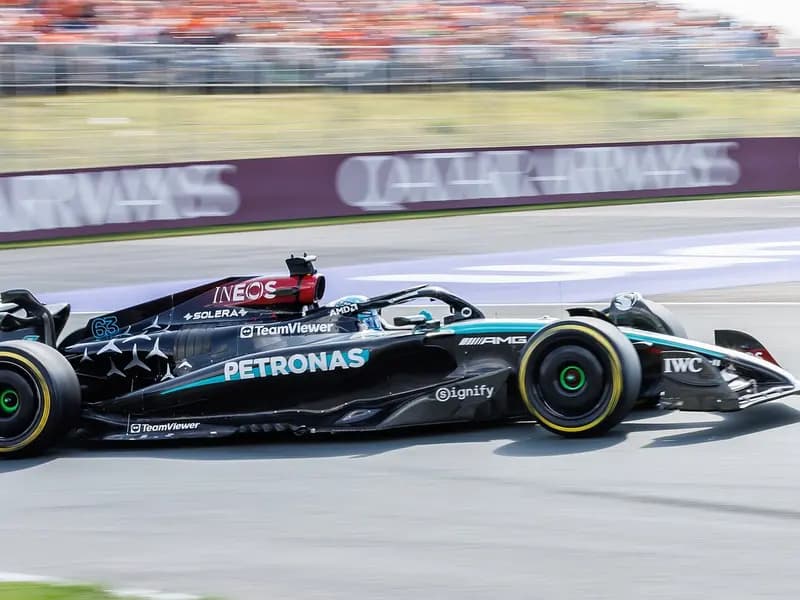
Russell Tops the Only Practice in Singapore, Then Faces a Back-of-the-Grid Start With Antonelli 84 Points Clear
Oct 9, 2026/2 min read
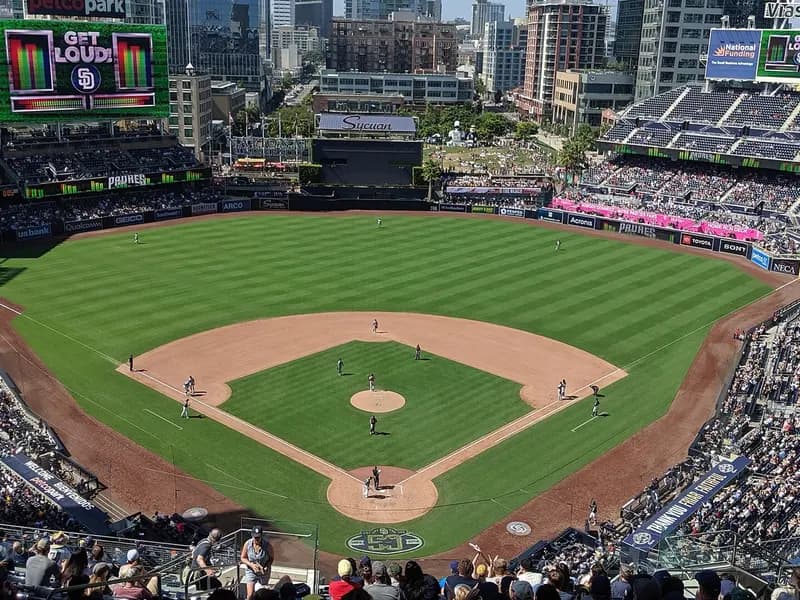
Brewers and Dodgers Set Up an NLCS Rematch as the Rays Sweep the Yankees
Oct 8, 2026/3 min read
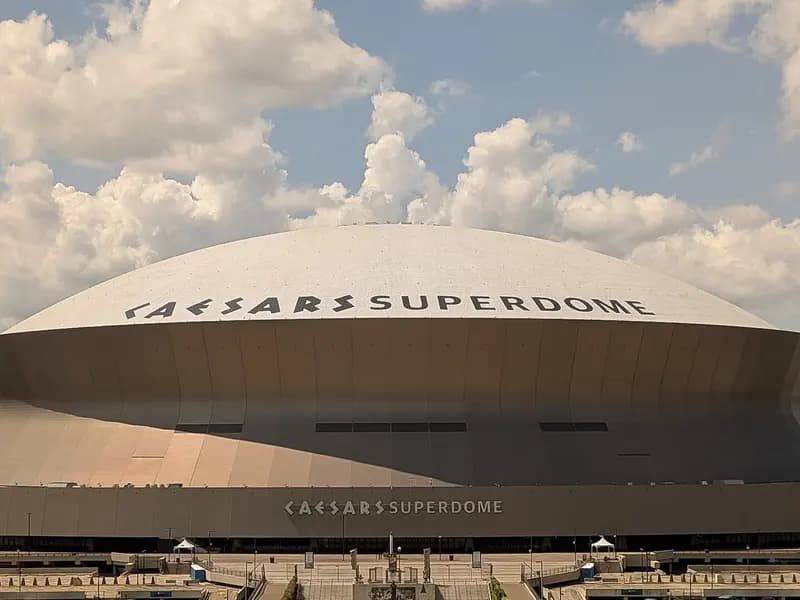
Falcons Run Past Saints 45-24 on Monday Night Football and Spoil the Superdome's Domecoming Anniversary
Oct 6, 2026/2 min read