After the 2026 World Cup, Host Cities Face the Real Test
The tournament delivered crowds and global attention. Its lasting value will depend on transport, public space, community football and honest accounting.
Outspoken Digest Editorial Desk
Tuesday, July 28, 2026/2 min read
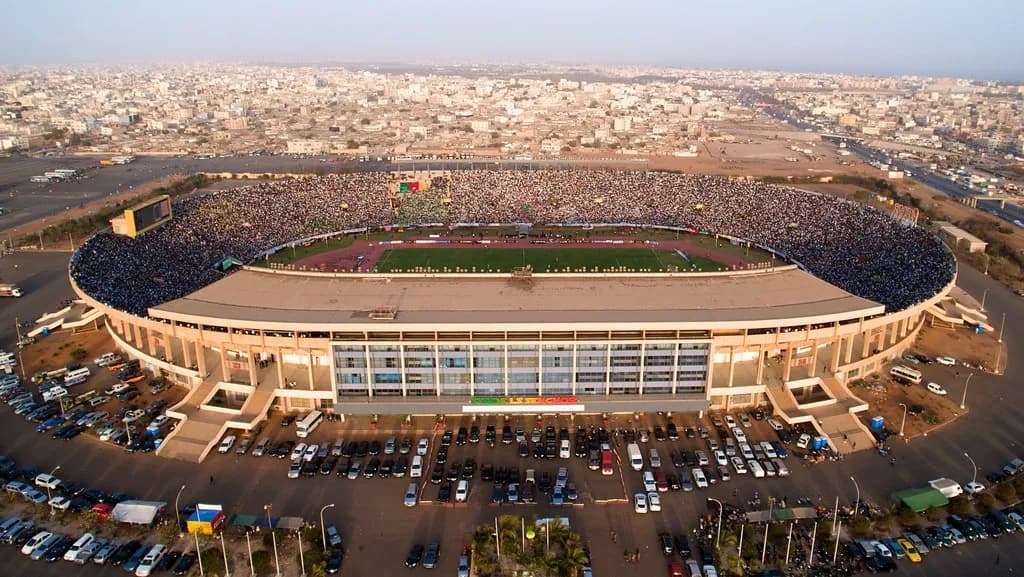
A mega-event is easiest to admire while the stadium is full. The harder judgment begins after the final whistle, when temporary signs come down and residents ask what remains. The 2026 World Cup spread matches across Canada, Mexico and the United States, creating an unusually wide test of whether global attention can translate into local value.
Why this is landing now
FIFA World Cup 2026 Host Cities provides the factual starting point. Host cities invested in security, transport planning, fan zones and visitor services. Some improvements may serve daily life; others were designed for a short surge. A credible legacy measures both. It asks whether transit is more useful, public space is more welcoming and community football has stronger access after sponsors and visitors leave.
Tourism revenue can be real while benefits remain uneven. Hotels near venues may thrive as residents face congestion, price spikes or policing costs. Claims about economic impact often count spending without fully examining displacement, public subsidy and what would have happened otherwise.
What it looks like in ordinary life
Enjoyment and access are part of performance. Beginners benefit most from clear instruction, gradual load and environments where asking questions is normal.
Residents and local journalists can follow budgets beyond the celebration. Compare promised projects with delivery dates. Ask who owns new facilities, who can afford to use them and how maintenance will be funded. Support community clubs and public programs that convert tournament enthusiasm into regular play.
A compact reader's checklist
- Track promises after the event calendar ends.
- Measure access and maintenance, not only visitor spending.
- Connect enthusiasm to affordable community sport.
What the wider evidence adds
Council on Foreign Relations: Economics of Hosting Mega Events adds a second perspective. FIFA's host-city material outlines the scale and ambition of the tournament, while independent research on sports mega-events repeatedly urges cautious interpretation of headline economic forecasts. The strongest legacy claims are specific, local and measured over years rather than announced during the closing ceremony.
The comparison matters because one dramatic example rarely explains a whole trend. A useful article should leave the reader with a way to test the idea, notice tradeoffs and choose a proportionate next step.
The part worth resisting
Legacy criticism should not erase the joy and cultural exchange a tournament creates. It should protect that joy from being used as a shield against accountability. A city can celebrate extraordinary matches and still demand transparent costs, accessible facilities and benefits beyond central tourist districts.
The lasting idea
Begin small enough to observe the result. Keep what improves the real experience and release what only looked convincing in a headline or showroom. Curiosity becomes valuable when it is paired with boundaries, evidence and permission to decide that a trend is not for you.
Published in The Outspoken Digest
Editorial
Outspoken Digest Editorial DeskThe Digest's own desk: the pieces that do not sit in one section.
Newsletter
The Digest, in your inbox
One edition, sent when it is ready. No noise, and your address is never passed on.
Read Next
More Sports →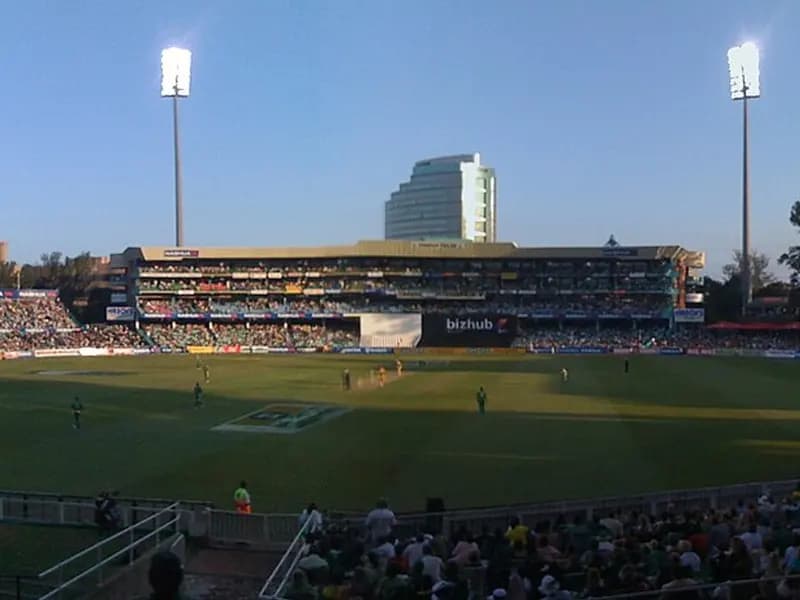
Hazlewood's Six Wickets and Renshaw's 190 Give Australia a 214-Run Win Over South Africa in Durban
Oct 15, 2026/2 min read
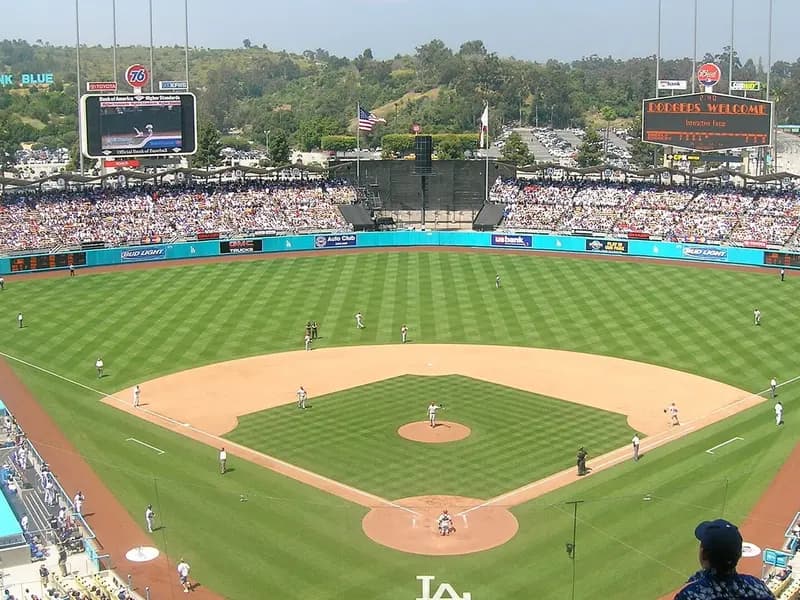
Brewers Beat Dodgers 6-2 for a 3-0 NLCS Lead as Bauers and Mitchell Homer Off Snell in the Seventh
Oct 15, 2026/2 min read
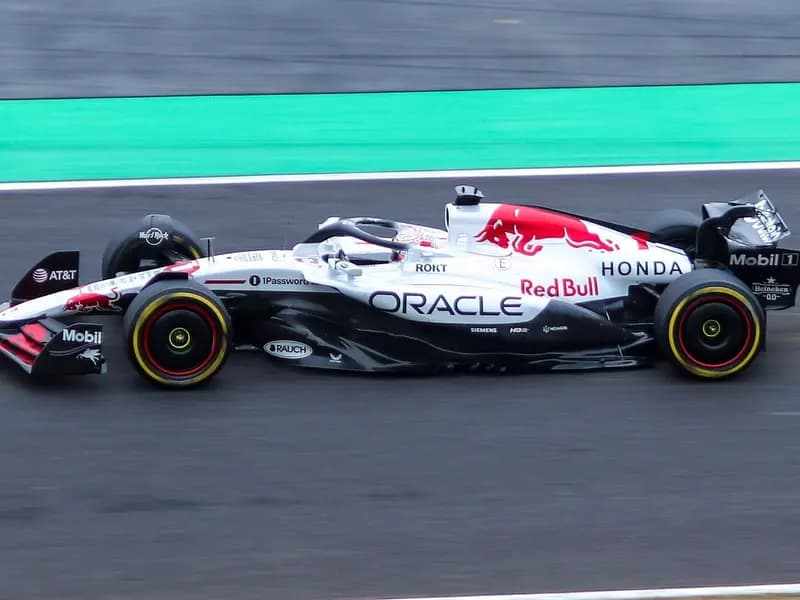
Red Bull Extends Laurent Mekies as Team Principal to 2031 After Verstappen's Back-to-Back Wins
Oct 14, 2026/2 min read
Brewers Go Up 2-0 on the Dodgers in the NLCS as Guardians Beat the Rays in ALCS Game 1
Oct 13, 2026/2 min read