World Cup 2026 Preview: 48 Teams, Three Hosts, One Giant Gamble
The biggest World Cup ever kicks off across the US, Mexico and Canada. Here is what the expanded 48-team format actually changes.
Friday, June 5, 2026/3 min read
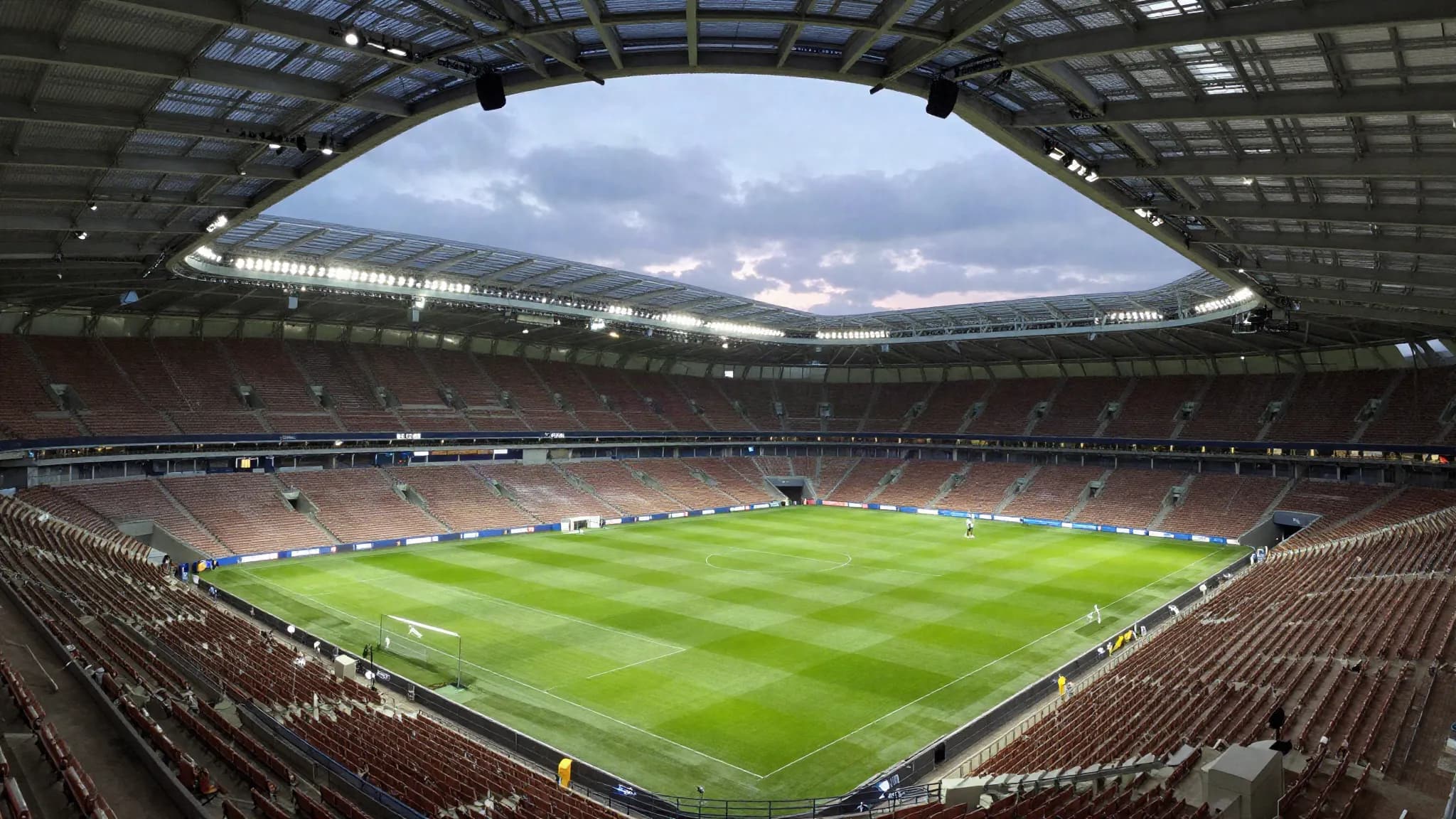
In six days, Estadio Azteca in Mexico City will do something no stadium has ever done before: host the opening match of a third World Cup. When Mexico faces South Africa there on June 11, it will also mark the start of something entirely new, a tournament so large that FIFA itself has spent four years rewriting the rulebook to fit it.
Forty-eight teams. Twelve groups of four. Sixteen host cities spread across three countries. A hundred and four matches crammed into thirty-nine days. This is not an expansion of the World Cup so much as a reinvention of it, and whether it works will shape how the tournament looks for decades.
The scale alone is dizzying. The group stage runs from June 11 to June 27, after which the tournament adds a round that never existed before: a round of 32, squeezing in the top two finishers from every group plus the eight best third-place teams. It is a format built for inclusion first and competitive tightness second, and neutral fans should brace for group games that mean less than they used to.
Why did FIFA expand to 48 teams?
The short answer is money and geopolitics. More teams means more countries with a direct stake in selling tickets, buying broadcast packages and printing shirts. Nations that had never sniffed a World Cup finals, several of them making their tournament debut this summer, get a shot at the biggest stage in sport, and FIFA gets to say the game has never been more global.
The counterargument, made loudly by traditionalists, is that a bloated group stage dilutes quality and invites blowouts. FIFA's answer is the group format itself: three matches per team rather than the old three-into-two arithmetic, with the round of 32 acting as a pressure valve that keeps almost everyone alive deep into the tournament.
How does hosting across three countries change the tournament?
No World Cup has ever been staged across three nations. The sixteen host cities split eleven venues to the United States, three to Mexico and two to Canada, which means squads, staff and traveling fans will be crossing borders mid-tournament in a way that has never been logistically necessary before. Time zones stretch from Pacific to Eastern. Altitude varies wildly, from sea-level stadiums to Mexico City's thin air. Coaches have spent two years war-gaming travel schedules that used to be an afterthought.
It is also, inescapably, a tournament staged inside a fraught political moment for cross-border travel in North America, and organizers have been candid that visa and entry logistics for traveling supporters are being watched as closely as anything happening on the pitch.
Who are the teams to watch before kickoff?
Spain arrive as reigning European champions and one of the form teams on the planet, while Argentina defend the title they won in Doha, with Lionel Messi, now well into his late thirties, treating this as almost certainly his last World Cup. France, England and Brazil round out the traditional favorites, but the expanded format has also handed a real stage to sides like Cape Verde, an island nation making its finals debut, and other first-timers who would never have qualified under the old 32-team system.
The tournament's full format and rules are laid out in detail here, and it is worth a read before June 11, because very little about this World Cup follows the pattern fans have watched for the last twenty years.
What happens after the group stage?
The knockout structure is the tournament's biggest experiment. Once the round of 32 concludes, the bracket compresses into a familiar single-elimination run: round of 16, quarterfinals, semifinals, and a final that FIFA has already confirmed for MetLife Stadium in New Jersey on July 19. Every stage from here compresses the tournament's sprawling opening weeks into the kind of knockout tension the World Cup has always been built on.
What nobody knows yet, not the players, not FIFA, not the broadcasters who have bet enormous sums on this format working, is whether forty-eight teams makes the World Cup feel bigger or simply longer. That verdict starts being written the moment the ball rolls in Mexico City. For now, the world is about to find out together.
Published in The Outspoken Digest
Newsletter
The Digest, in your inbox
One edition, sent when it is ready. No noise, and your address is never passed on.
Read Next
More Sports →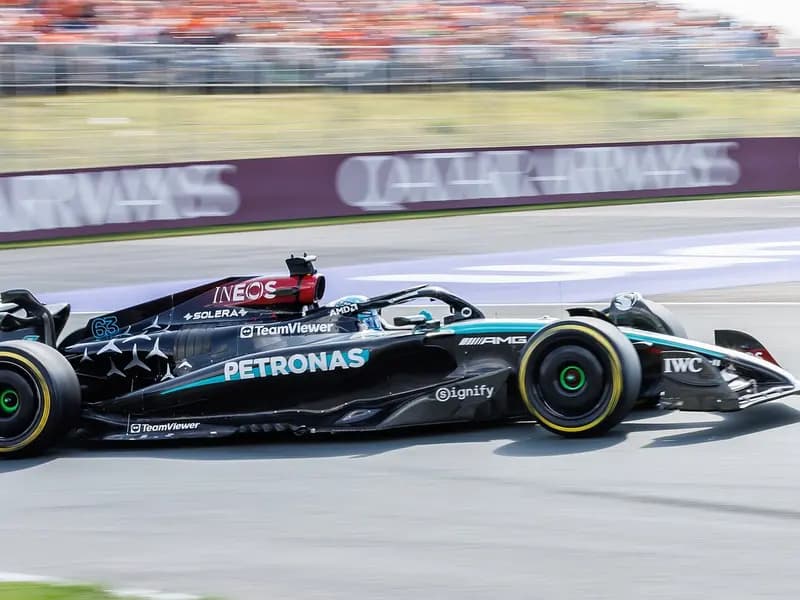
Russell Tops the Only Practice in Singapore, Then Faces a Back-of-the-Grid Start With Antonelli 84 Points Clear
Oct 9, 2026/2 min read
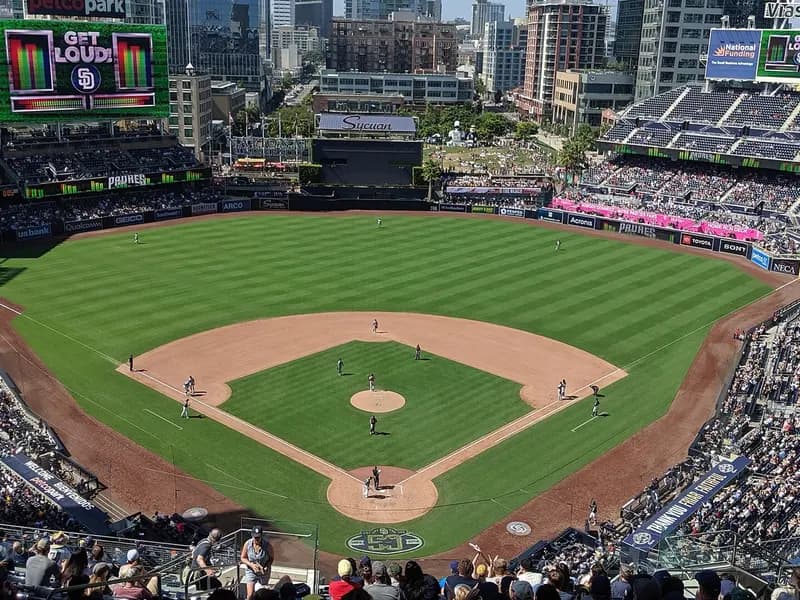
Brewers and Dodgers Set Up an NLCS Rematch as the Rays Sweep the Yankees
Oct 8, 2026/3 min read
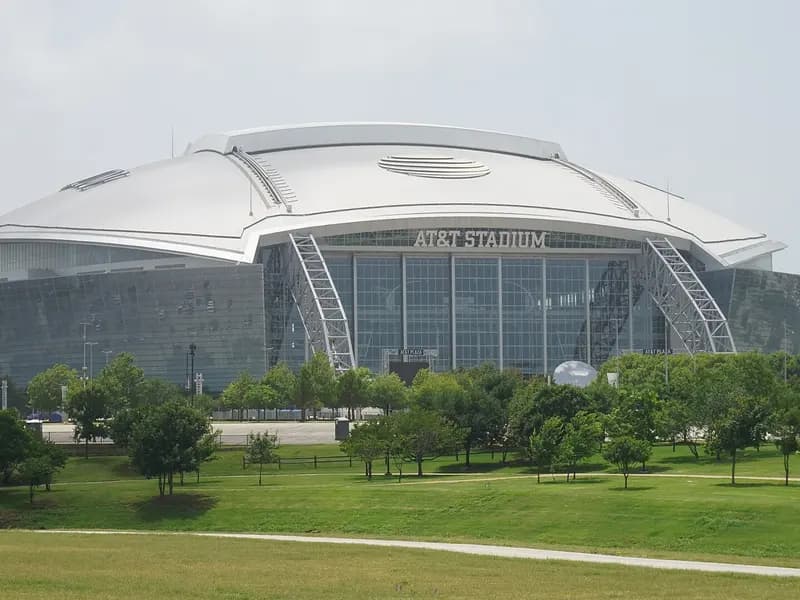
Falcons Run Past Saints 45-24 on Monday Night Football and Spoil the Superdome's Domecoming Anniversary
Oct 6, 2026/2 min read