World Cup Demand and Middle East Disruption Split the Travel Earnings Story
US travel companies face a two-speed outlook as World Cup demand lifts some bookings while Middle East conflict weakens routes, confidence and operating predictability.
Friday, July 24, 2026/2 min read
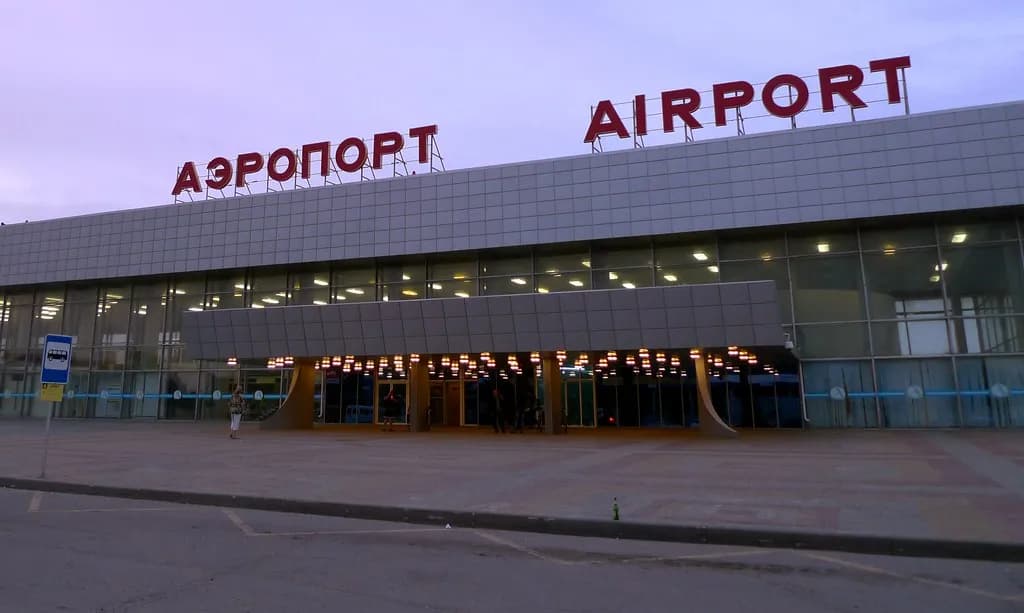
Travel companies are entering earnings season with two conflicting stories. The World Cup has generated exceptional movement and event spending in North America, while conflict in the Middle East has weakened confidence, changed routes and complicated operations elsewhere.
This article was prepared for the July 24 edition using current reporting and official background material. Reuters travel earnings outlook provides the immediate frame, while FIFA World Cup information supplies the institutional context needed to interpret it.
What changed
A global travel group can benefit from strong hotel nights and domestic flights around tournament cities while losing revenue on long-haul or regional business. Aggregate booking growth may therefore hide sharp differences by geography, customer type and timing.
The distinction between an announcement and a durable change matters. Headlines describe the new development; evidence over the next several weeks will show how widely it is used, how institutions respond and which early assumptions survive contact with operations.
Why the story matters now
Major events create concentrated demand, pricing power and marketing value. They also produce temporary comparisons that can flatter a quarter without changing the underlying business. Geopolitical disruption works in the opposite direction: it may be localized at first but can increase fuel, insurance and crew costs across a wider network.
IATA airline industry data offers an additional reference point. Read together, the sources show why this story is not isolated: it connects policy, infrastructure, public confidence and the incentives of organizations expected to act.
What readers and organizations should do
Investors should separate event-driven volume from recurring demand and examine whether companies are gaining customers or simply charging more during scarce dates. Travelers should expect uneven pricing, especially where aircraft are redeployed and connections lengthen.
- Check the date and scope of official notices before acting.
- Separate verified operational facts from forecasts and promotional claims.
- Keep a practical alternative when transport, health, finance or technology decisions are time-sensitive.
- Revisit the situation as new evidence becomes available.
What to watch next
The most useful disclosures will cover regional capacity, cancellation trends, insurance costs and forward bookings after the tournament. A strong summer headline can coexist with a cautious autumn outlook.
The useful response is neither complacency nor alarm. It is to identify what has genuinely changed, who bears the risk and which indicators can confirm whether the first-day narrative was accurate. That is the standard Outspoken Digest will use as the story develops.
Published in The Outspoken Digest
Editorial desk
Outspoken Digest Travel DeskDestinations, airlines, borders and the practicalities of getting there.
Newsletter
The Digest, in your inbox
One edition, sent when it is ready. No noise, and your address is never passed on.
Read Next
More Travel →

Hurricane Simon Closes Puerto Vallarta's Airport and Sends Tourists to Shelters as a Category 4 Storm Nears Mexico
Oct 10, 2026/2 min read

Hurricane Isaias Closes Gulf Coast Airports and Clears Alabama's Beaches as Airlines Waive Change Fees
Oct 8, 2026/3 min read