Wreck Diving: Where Swim-Through Ends and Penetration Begins
A sunken ship draws every diver's curiosity, but the line between a safe swim-through and a genuine penetration dive is stricter than it looks.
Wednesday, June 25, 2025/4 min read
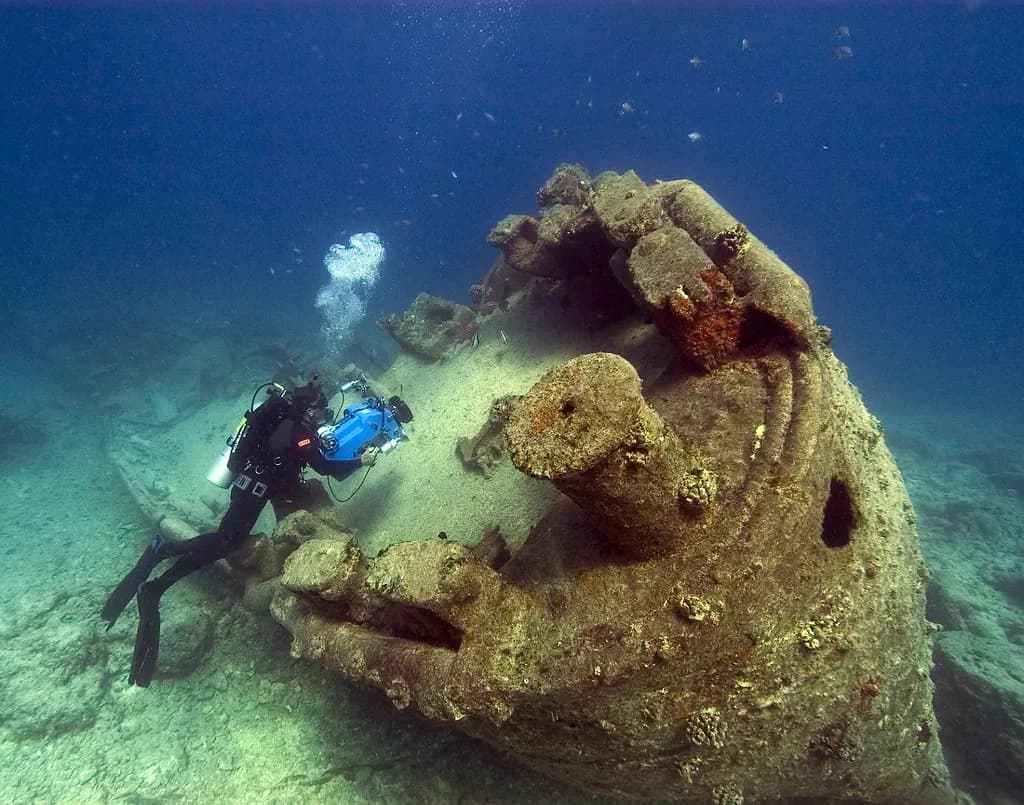
There is a particular quiet inside a sunken ship that does not exist anywhere else in recreational diving. Light falls through a collapsed deck in shafts, fish move through spaces built for people, and the whole structure holds its rust-coloured stillness in a way that reef diving, however beautiful, rarely matches. It is also, structurally, the most dangerous kind of diving a recreational diver can attempt, and the industry draws a hard, specific line about where that danger actually starts.
That line has a name: the difference between a swim-through and a penetration. It sounds like a technicality. It is not.
What actually counts as a swim-through
A swim-through is a passage through a wreck (or a cave, for that matter) where the diver can see daylight, or at least two clear exit points to open water, for the entire duration of the passage. According to Scuba Diving magazine's own guidance, a well-designed recreational swim-through has two or more visible outside openings, and the path between them stays free of significant obstacles, entanglement hazards or silt that could collapse visibility. Done with a proper briefing from a certified guide, this kind of passage is a standard part of many recreational wreck dives around the world.
What actually counts as penetration
Penetration is different in kind, not just degree. It means entering more than a few metres into a wreck with the intention of returning to that same entry point, either because there is no second opening or because the diver cannot be certain there is one, and it typically requires running a physical guideline to guarantee a way back out. Oyster Diving's guide to wreck diving describes full penetration as the most dangerous form of wreck diving in existence, formally classified as technical diving and requiring dedicated training beyond any standard open water or advanced course.
The distinction matters because the failure modes are completely different. In a swim-through, a diver in trouble can usually see and reach open water within seconds. In a penetration, a diver who loses the line, stirs up silt, or suffers equipment trouble may be metres or tens of metres from any exit, inside a structure with no natural light and no straightforward way to ascend.
Why silt, not depth, is the real hazard
New wreck divers often assume depth is the primary danger, and while depth absolutely narrows the margin for error, most serious wreck incidents trace back to something more basic: silt-out. A fin kick against a rusted deck or a loose sediment layer can reduce visibility to zero in seconds, and without a guideline already run, a diver has no reliable reference back to the exit. PADI's own professional guidance frames wreck training specifically around this hazard, alongside entanglement risk from fishing line, cable and collapsed structure that accumulates on wrecks over years underwater.
Why training agencies treat this as a hard line, not a suggestion
Every major training agency, PADI, SSI and the technical-focused bodies like TDI, structures its wreck curriculum around exactly this boundary. A standard Wreck Diver speciality course typically covers limited penetration, meaning simple swim-through style areas within the light zone, while full penetration diving sits in a separate technical curriculum with its own equipment requirements, redundant gas planning and line-running skills. According to discussion among instructors on forums like ScubaBoard, the recurring advice to newer divers is blunt: if you cannot see the exit and you have not been trained specifically for penetration, do not go further, regardless of how tempting the next compartment looks.
How wrecks change over time
A wreck that was a straightforward swim-through the year it sank is rarely the same structure decades later. Steel hulls corrode, decks collapse inward, and what was once an open passage with two visible exits can silt in or partially cave over time, turning a formerly simple swim-through into something closer to a genuine overhead environment. This is part of why experienced wreck guides re-assess familiar sites regularly rather than assuming a wreck dived safely five years ago behaves the same way today, and it is a large part of why local knowledge from an operator who dives a specific wreck often matters more than any general guidebook description of it.
What responsible wreck diving actually looks like
None of this is an argument against wreck diving, which remains one of the most rewarding branches of the sport when done within training limits. It is an argument for honesty about which category a given passage actually falls into, since wrecks rarely announce the difference clearly themselves, and currents, silt and structural decay can turn yesterday's easy swim-through into today's dead end.
Ground rules recreational wreck divers actually follow
- Never enter a wreck beyond the point where daylight or a clear exit is visible, without penetration-specific training and a guideline.
- Treat any wreck dive briefing from a certified local guide as the final word on what is and is not appropriate for the group's certification level.
- Maintain buoyancy control to avoid silt-outs, since visibility loss, not depth alone, causes most wreck diving incidents.
This article describes general practice, not a dive plan. Anyone interested in wreck or penetration diving should train specifically for it with a certified instructor through a recognised technical agency, rather than treating a swim-through as a stepping stone to be improvised.
Done within those limits, a wreck dive remains one of the rare places in recreational diving where history and marine life sit on top of each other, a genuinely different kind of dive from anything a reef can offer, and worth the discipline it demands.
The lesson that carries beyond wreck diving specifically is a simple one: curiosity about what lies just past a visible exit is entirely natural, and it is also exactly the impulse that training, planning and a guideline exist to manage rather than suppress.
Published in The Outspoken Digest
Editorial desk
Outspoken Digest Diving DeskCovers freediving, recreational and technical diving, dive medicine and the incidents the sport learns from.
Newsletter
The Digest, in your inbox
One edition, sent when it is ready. No noise, and your address is never passed on.
Read Next
More Diving →
Playing Recordings of a Healthy Reef Drew More Coral and Fish Larvae to Artificial Structures Off Hawaii
Oct 9, 2026/3 min read
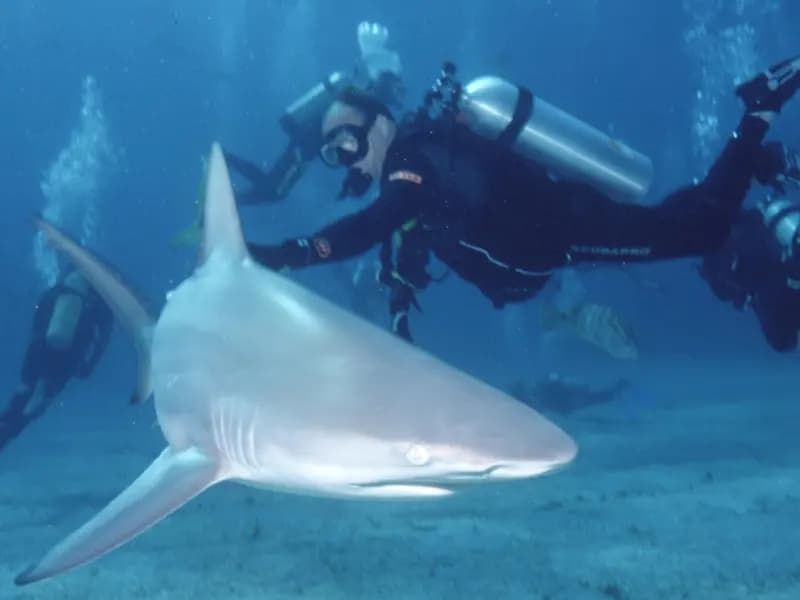
Blacktip Sharks Can Hear a Sound From Nearly 250 Feet Away and Swim Straight Toward or Away From It
Oct 1, 2026/2 min read
A Sea Turtle Species Never Recorded Nesting in the United States Laid Eggs on a Southern California Beach
Oct 1, 2026/2 min read
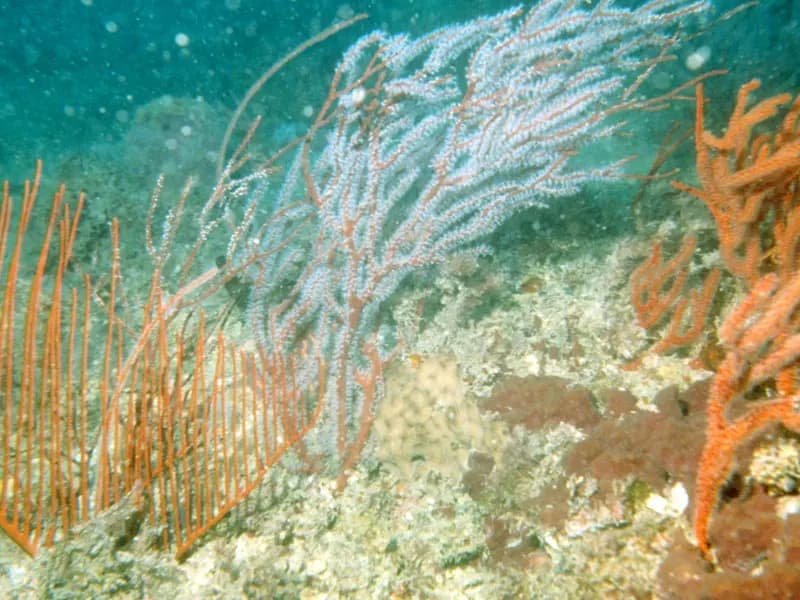
Marine Surveyors Confirmed Living Coral Off Benin, More Than Sixty Years After the Reef Was Presumed Dead
Sep 29, 2026/2 min read