ACOG's New Menopause Guideline Backs Hormone Therapy, Adds Non-Hormonal Drugs and Rejects Soy and Herbal Supplements
The first full US update since 2014 gives strong backing to hormone therapy started early, puts newer neurokinin drugs on the list, and says the evidence does not support herbal remedies.
Monday, October 26, 2026/3 min read
Vasomotor symptoms such as hot flashes and night sweats affect 50 to 92 per cent of women in menopause, and disrupted sleep affects 16 to 66 per cent of US women, according to figures the guideline cites. This month the American College of Obstetricians and Gynecologists (ACOG) issued its first full guideline on the subject since 2014.
Clinical Practice Guideline No. 13 was published online on 15 October in Obstetrics & Gynecology, according to Patient Care Online. It replaces Practice Bulletin No. 141 and covers vasomotor symptoms, sleep disruption and mood changes.
What does the guideline say about hormone therapy?
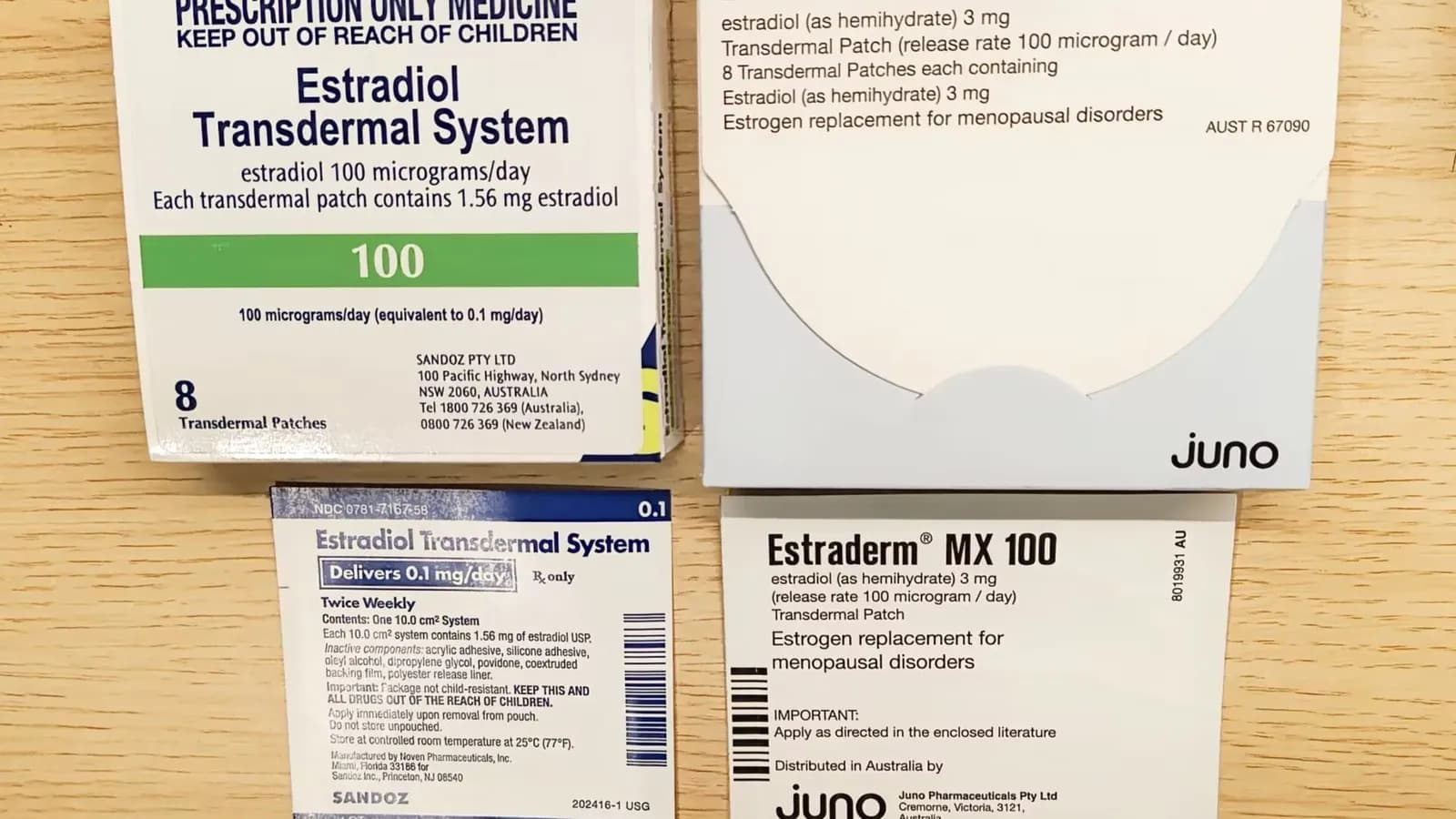
ACOG makes a strong recommendation for systemic menopausal hormone therapy for hot flashes and the sleep problems they cause, in people without contraindications. Those with a uterus are given estrogen with a progestogen, and others estrogen alone. The College says to start before age 60 or within 10 years of the start of natural menopause. Beyond that window, starting should be individualised because the risks of blood clots, stroke and coronary heart disease are higher.
The guideline asks for a review of benefit and tolerability at three months and then yearly, for bleeding that persists beyond the first six months to be investigated, and for contraception needs to be considered until age 55. It says the evidence is insufficient either way on hormone therapy for depressive symptoms, and that anyone whose main problem is depression should be treated under depression guidance. It also notes that the Women's Health Initiative, which shaped earlier fears, enrolled mostly women aged 60 or older, so it does not translate well to younger, recently menopausal patients. In 2025 the FDA recommended removing boxed warnings for cardiovascular disease, breast cancer and probable dementia from hormone therapy labels.
Which non-hormonal options are recommended?
SSRIs and SNRIs get a strong recommendation, and gabapentin is suggested when other options fail or are poorly tolerated. The guideline also gives a strong recommendation to the neurokinin receptor antagonists fezolinetant (Veozah) and elinzanetant (Lynkuet). Fezolinetant carries a boxed warning for liver injury, and ACOG says liver function must be tested before treatment, monthly for the first three months, and at months six and nine. For elinzanetant, which the FDA approved on 24 October 2025, ACOG advises liver testing before treatment and at three months. Fluoxetine and paroxetine should generally be avoided in women taking tamoxifen.
What about therapy, exercise and supplements?
Cognitive behavioural therapy, mindfulness, exercise, clinical hypnosis and acupuncture receive a conditional recommendation, usually alongside medicine. The guideline does not support phytoestrogens such as soy isoflavones or herbal supplements, which it says are not tested for safety, efficacy or purity, and it does not support progestogen alone, DHEA or testosterone for these symptoms. Medical News Today reports that the guidance is intended to replace the 2014 advice, though one expert it quoted called it more of an add-on.
Who should talk to a doctor first?
The guideline itself stresses shared decision-making that weighs age, medical history, cardiovascular, breast cancer and clot risk, and what the patient wants from treatment.
This article is reporting, not medical advice. Decisions about starting, stopping or switching any menopause treatment belong with a clinician who knows your history, and nothing here replaces that conversation.
ACOG says a separate guideline on genitourinary symptoms of menopause is expected in 2027. Until then, the most useful change may be the plainest: women now have a current, graded document to take into the consulting room.
Published in The Outspoken Digest
Editorial desk
Outspoken Digest Health DeskMedicine, public health and the research behind the headlines, read carefully.
Newsletter
The Digest, in your inbox
One edition, sent when it is ready. No noise, and your address is never passed on.
Read Next
More Health →
Personalized mRNA Melanoma Vaccine Plus Keytruda Cut Recurrence or Death Risk 42 Percent in Phase 3 Trial
Oct 25, 2026/3 min read

Heart Failure and Heart Attack Admissions Rose Faster Where US Cannabis Was Legalised, Study Reports
Oct 23, 2026/2 min read
FDA Approves Hibsago, the First Antisense Drug for Chronic Hepatitis B, With a Boxed Warning
Oct 22, 2026/2 min read

A Night-Owl Subtype of Depression Appears to Start Earlier, Hit Harder and Respond Worse to Common Antidepressants
Oct 21, 2026/2 min read