The AI Cloud Is Splitting Into Specialized Machines
Microsoft's new AMD systems and Google's surging cloud backlog show why AI infrastructure is moving beyond a one-chip, one-workload model.
Outspoken Digest Technology Desk
Friday, July 31, 2026/2 min read
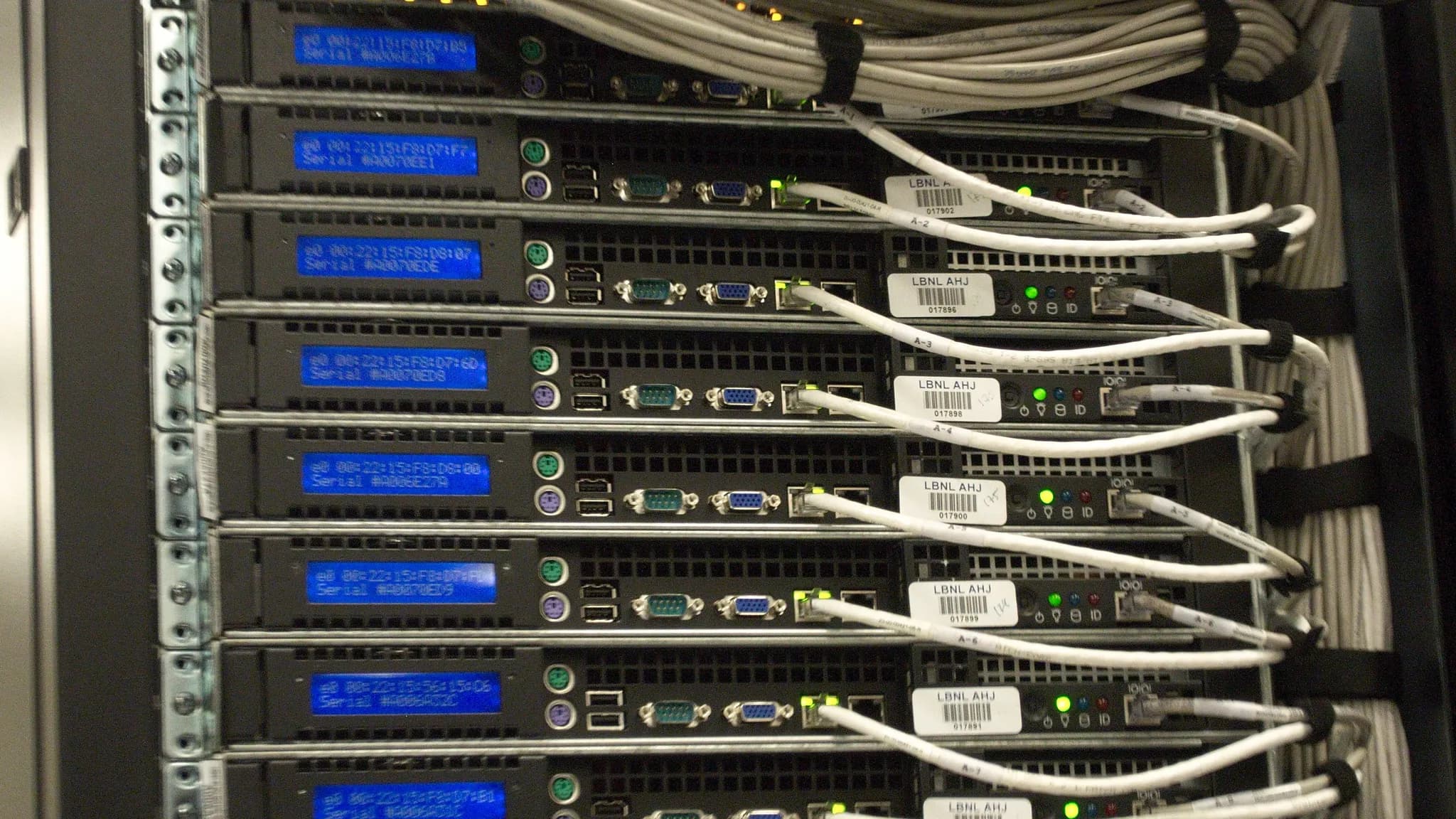
The first phase of the AI infrastructure race was described as a shortage of accelerators. The next phase looks more complicated. Training, inference, scientific computing, data processing and agent workloads have different performance, memory, networking and energy needs. Cloud providers are responding with a portfolio of specialized machines rather than one universal AI server.
Microsoft's July 20 announcement brings AMD's Helios platform, MI455X accelerators and next-generation EPYC processors into Azure. The company describes separate systems for AI data, technical computing and production-scale inference, emphasizing performance per dollar and energy efficiency.
Why specialization is accelerating
Training a frontier model requires enormous clusters and fast communication between chips. Serving millions of short requests may depend more on memory capacity, latency and utilization. Scientific simulations need strong general-purpose processors alongside accelerators. Agent systems create bursts of inference and tool use that are difficult to predict.
A cloud built around one hardware profile wastes money when the workload does not match it. Specialization allows customers to select systems for a particular stage and gives providers leverage in pricing and supply.
Competition is moving up the stack
Chip choice matters, but software determines whether customers can use the hardware without rebuilding everything. Compilers, model runtimes, orchestration, networking and monitoring form the practical platform. A theoretically faster accelerator can lose if migration costs and developer friction are too high.
This is why Microsoft's emphasis on an open, heterogeneous fleet matters. AMD expands supply and negotiating power, while Azure still has to make the systems feel like one coherent cloud.
Demand is already reshaping cloud economics
Alphabet's latest earnings remarks report 82% year-over-year growth in Google Cloud revenue and a $514 billion backlog, with AI infrastructure and solutions as major drivers. The company's Q2 comments show that compute demand is not confined to research labs. Enterprises are signing long commitments for production capacity.
Backlog is not the same as delivered revenue, and large capital spending can pressure returns. Providers must build data centers before every workload is known, while energy, cooling, land and grid connections constrain where capacity can grow.
What customers should ask
- Which workload was the system optimized for, and what benchmark reflects the real application?
- Can the software move across hardware vendors without a major rewrite?
- What are the total costs of networking, storage, idle capacity and data movement?
- How does the provider report energy use and capacity availability?
- What happens when demand spikes or a preferred chip is unavailable?
The moat is orchestration
AI clouds will increasingly resemble fleets of different engines. The provider that schedules work intelligently across those engines can offer better price, reliability and energy use. The customer should not need to become a chip historian to run an application.
The arrival of more competitive hardware is healthy. It can reduce dependence on a single supplier and encourage architectures built for real workloads. But the central contest is no longer simply who owns the fastest processor. It is who can turn a diverse collection of processors, networks and software into dependable capacity that developers can actually afford.
Published in The Outspoken Digest
Editorial desk
Outspoken Digest Technology DeskSoftware, hardware, artificial intelligence and what they change for everyone else.
Newsletter
The Digest, in your inbox
One edition, sent when it is ready. No noise, and your address is never passed on.
Read Next
More Technology →
Webb Caught a Probable Supernova From the Early Universe Only Days After It Exploded
Oct 18, 2026/2 min read
Webb Maps an Exoplanet's Atmosphere as Egg-Shaped, With a Puffed-Up Evening Side Hotter Than Its Morning Edge
Oct 18, 2026/2 min read
A Hole in a 75,000-Year-Old Shoulder Blade Points to a Wooden Spear, and Perhaps to Neanderthal Care
Oct 18, 2026/2 min read

Anthropic's Own Staff Data: Junior Technical Hires Fell From 27 to 9 Percent as Its AI Agents Outworked Humans
Oct 18, 2026/2 min read