AI Development Is Moving From Prompts to Executable Specifications
The strongest AI-assisted teams increasingly define behavior, constraints and acceptance tests before asking an agent to implement anything.
Outspoken Digest Editorial Desk
Monday, July 27, 2026/2 min read
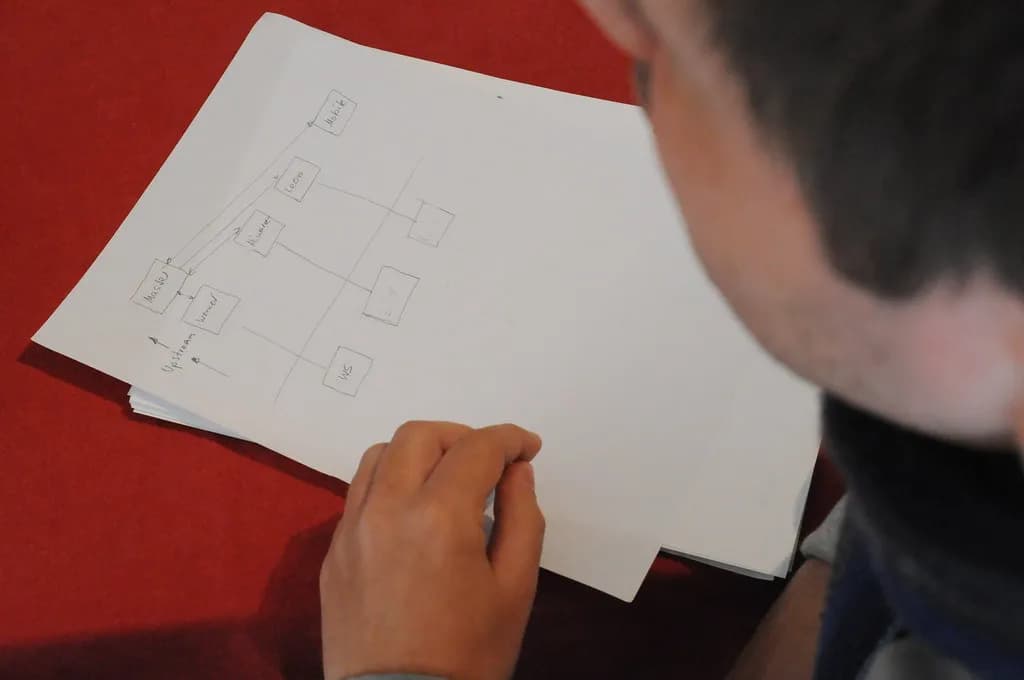
The prompt is becoming the least durable part of AI-assisted development. Teams are discovering that the lasting asset is the specification around it: examples, interfaces, constraints, test cases and the evidence required for acceptance. An agent can regenerate code many times, but it cannot rescue a product whose expected behavior was never made concrete.
Why this is landing now
GitHub: Spec-Driven Development With AI provides the factual starting point. This shift follows naturally from more capable coding agents. When a tool can inspect a repository and change many files, a loose request creates a larger blast radius. A written spec narrows the search space. Executable examples then turn that narrative into feedback the agent can use. The result is not perfect automation; it is a clearer agreement between product intent, engineering judgment and machine execution.
Specifications can become another bureaucracy if they describe every implementation detail. The useful version focuses on observable behavior and meaningful boundaries. It says what users can do, which states are invalid, what performance matters and which systems may be touched. It leaves room for implementation while making acceptance difficult to fake.
What to notice before copying it
For developers, the practical test is whether the idea improves clarity, verification or maintainability after the first impressive demo. Sustainable adoption should make a team easier to understand, not more dependent on hidden magic.
Before assigning a feature, write five things: the user outcome, non-goals, representative examples, failure cases and a verification command. Ask the agent to challenge ambiguities before editing. Keep the spec beside the code and update it when a decision changes. For risky work, require a plan and a test change before implementation begins.
A compact reader's checklist
- Specify behavior before implementation.
- Turn examples and failure cases into checks.
- Review the specification and the code as one change.
What the wider evidence adds
Anthropic: Eight Trends Defining Software in 2026 adds a second, independent lens. GitHub's work on spec-driven development reflects a broader effort to make requirements persistent and reviewable rather than trapped in chat history. Anthropic's 2026 development trends make a related point: engineering expertise moves toward defining systems, reviewing outcomes and guiding agents where judgment has the highest value.
That context turns a passing headline into a more useful question: which part changes behavior, and which part is simply memorable language? Readers do not need to adopt every new idea. They need enough detail to test the strongest claim in proportion to its cost and risk.
The part worth resisting
A passing test is only as good as what the test represents. Agents can overfit visible checks, preserve accidental behavior or satisfy a metric while missing user intent. Include adversarial examples, accessibility and operational constraints. Then ask a human reviewer to inspect the gap between the written requirement and the lived experience.
The lasting idea
The best response is neither instant enthusiasm nor reflexive dismissal. Try the smallest honest version, observe what improves and keep the parts that still make sense when the novelty fades. That is how a trend becomes knowledge, a purchase becomes personal style or a new technical practice becomes dependable engineering.
Published in The Outspoken Digest
Editorial
Outspoken Digest Editorial DeskThe Digest's own desk: the pieces that do not sit in one section.
Newsletter
The Digest, in your inbox
One edition, sent when it is ready. No noise, and your address is never passed on.
Read Next
More Technology →
Some White Dwarfs Would Look Green, Pink or Purple, Warwick Astronomers Calculate
Oct 15, 2026/2 min read

Oxford Physicists Reproduce the Aharonov-Bohm Effect on a Hybrid Quantum Computer
Oct 15, 2026/2 min read
Japan Will Fund Up to $21 Billion for Two GlobalFoundries Chip Plants in New York
Oct 15, 2026/2 min read

Apple's $299 HomeView Smart Display Takes Preorders, but Not in the European Union
Oct 15, 2026/2 min read