Alfalfa Sprout Outbreak Has Now Sickened 76 People in 16 States, With 21 New Cases Since August
The CDC's 1 October update counts 76 illnesses from E. coli, Salmonella or both, all traced to one lot of alfalfa seed. Six people have been hospitalised and none has died.
Friday, October 2, 2026/2 min read
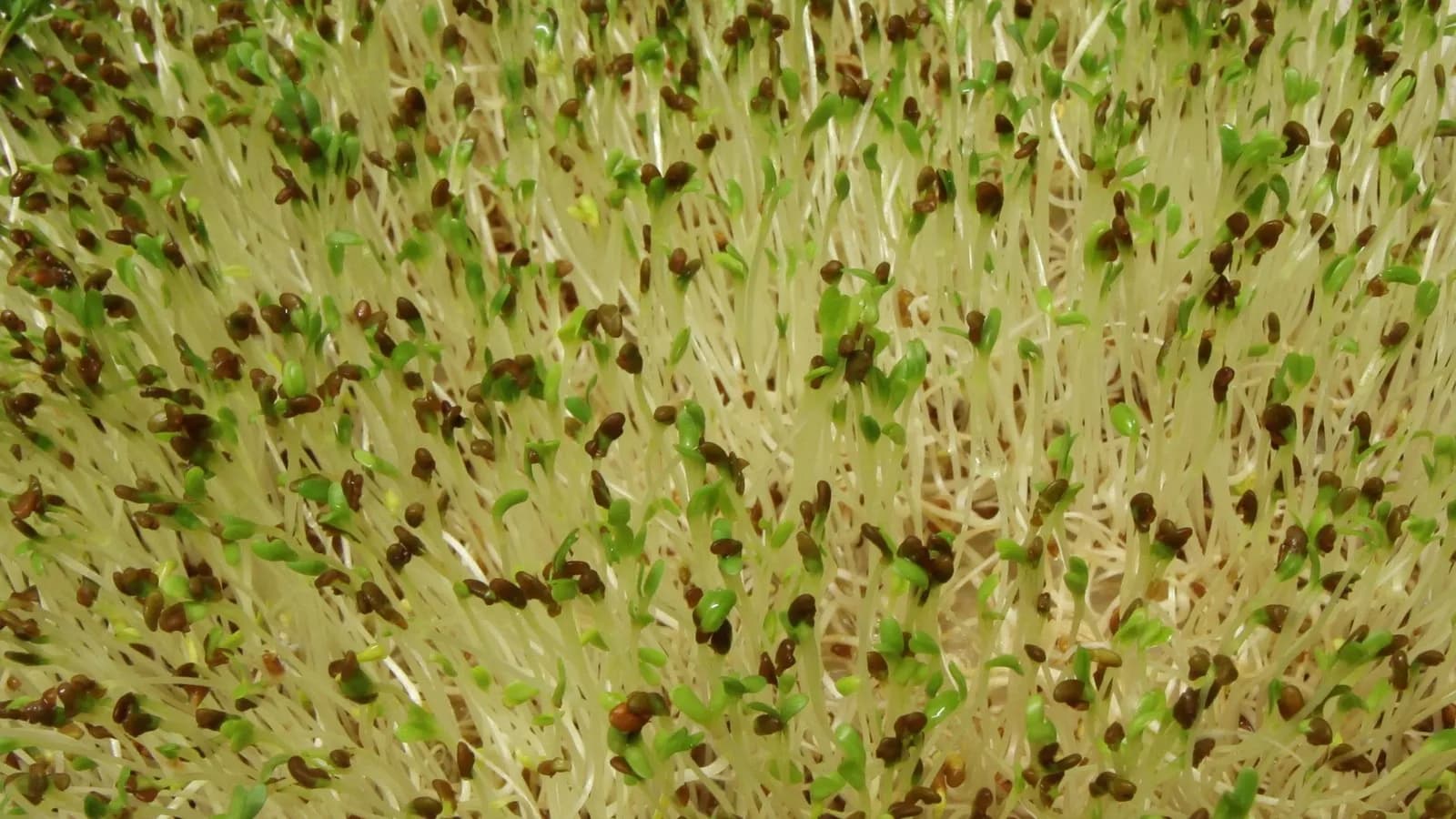
A multistate outbreak linked to alfalfa sprouts has grown to 76 confirmed illnesses across 16 states, according to the latest update from the Centers for Disease Control and Prevention, dated 1 October. The count is 21 higher than the figure announced in August, with two more hospitalisations and one more state. Six people have been hospitalised, and no deaths have been reported.
Two pathogens, one seed lot
What makes this outbreak unusual is that it involves two kinds of bacteria at once. The CDC outbreak notice says the infections are Shiga toxin-producing E. coli and Salmonella, and that three of the sick people were infected with both. Earlier counts identified three E. coli strains, O26:H11, O103:H25 and O168:H8, along with Salmonella Agona.
The Food and Drug Administration's traceback pointed to one alfalfa sprouting seed lot, coded SAL2-24JB. That lot is the common thread behind the recalls that followed, and it shows how a single contaminated batch of seed can cause illness in different places for months.
The recalls so far
The first recall came on 22 August, when Everything Sprouts, LLC pulled alfalfa sprouts sold under the Calco and Everything Sprouts brands. On 28 August the company widened it to certain lots of its Robust Radish Sprout Mix because of possible cross-contamination. The FDA's investigation page shows a further step on 23 September, when Berlin Seeds recalled alfalfa sprouting seeds carrying lot code SAL2-24JB, in packages ranging from a quarter pound to 50 pounds.
The affected states, as listed by the FDA, are Florida, Indiana, Iowa, Kansas, Michigan, Minnesota, New Hampshire, New York, North Carolina, North Dakota, Oregon, Pennsylvania, South Carolina, South Dakota, Washington and Wisconsin.
What the agencies advise
The advice is simple. Do not eat, sell or serve the recalled sprouts, and do not use or sell the recalled seed. Check refrigerators and freezers, throw away anything that matches, and wash and sanitise surfaces that touched it. Sprouts are a recurring problem for food safety officials because the warm, humid conditions that make seeds sprout also let bacteria multiply.
Symptoms differ by pathogen. E. coli illness typically begins three to four days after exposure and usually clears in five to seven days, while Salmonella can begin anywhere from six hours to six days after exposure and usually resolves in four to seven days. People should seek medical care for a high fever, bloody diarrhoea lasting more than two days, or signs of dehydration. Children under five, adults aged 65 and over and people with weakened immune systems face the greatest risk of severe illness.
What it means
As with most outbreaks, the true number of cases is probably higher than the 76 counted, because many people recover without being tested and reports can lag by weeks. The investigation remains open, which means the figure can still move.
Published in The Outspoken Digest
Editorial desk
Outspoken Digest Health DeskMedicine, public health and the research behind the headlines, read carefully.
Newsletter
The Digest, in your inbox
One edition, sent when it is ready. No noise, and your address is never passed on.
Read Next
More Health →
FDA Approves Hibsago, the First Antisense Drug for Chronic Hepatitis B, With a Boxed Warning
Oct 22, 2026/2 min read

A Night-Owl Subtype of Depression Appears to Start Earlier, Hit Harder and Respond Worse to Common Antidepressants
Oct 21, 2026/2 min read

CDC and FDA Link Salmonella Illnesses in 12 States to Raw Oysters From Virginia's Little Wicomico River
Oct 20, 2026/2 min read
FDA Approves Dostarlimab for dMMR Rectal Cancer, an Option That May Spare Some Patients Surgery
Oct 19, 2026/2 min read