Analog Hobbies Are Becoming the New Evening Routine
Knitting, film photography, gardening and handwritten journals are growing because they replace restless scrolling with visible, satisfying progress.
Outspoken Digest Editorial Desk
Monday, July 27, 2026/2 min read
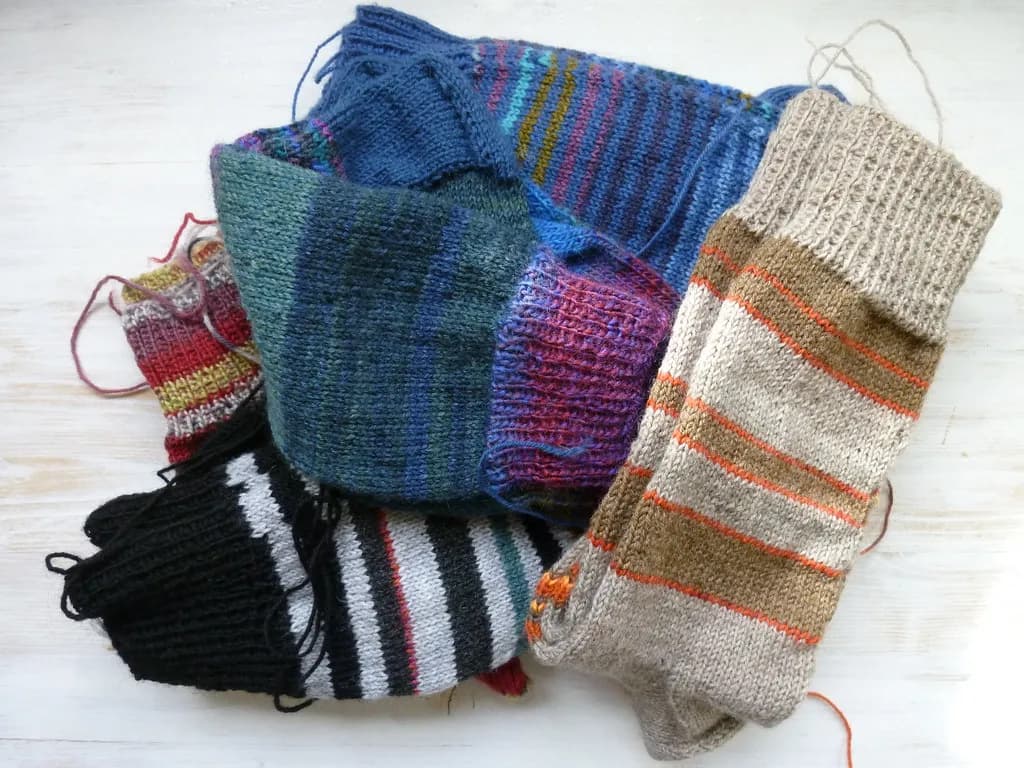
The modern evening often begins with a promise to rest and ends with an hour disappearing into a phone. Analog hobbies are gaining traction because they offer a different kind of transition. A row of stitches, a page of handwriting or a tray of seedlings creates a visible stopping point and asks the hands to participate.
Why this is landing now
AP: Young People Embrace Analog Hobbies provides the factual starting point. The movement has been labeled analog living, but it does not require rejecting technology. Its real appeal is contrast. Work and entertainment increasingly arrive through the same glowing rectangle. A physical activity separates leisure from the channels that deliver deadlines, alerts and comparison.
Social media can turn an inexpensive hobby into another shopping identity. The perfect desk, rare film camera or coordinated knitting basket becomes the product, while the practice itself never begins. That contradiction is worth noticing. A hobby restores attention through repetition, not through acquiring the most photogenic equipment.
What to notice before copying it
A satisfying lifestyle trend should return time or attention rather than demand constant purchasing. The smallest repeatable version usually reveals whether the idea belongs in real life.
Choose an activity with a five-minute setup and a result you can see. Leave the materials ready in one place. Attach the habit to an existing cue, such as tea after dinner, and begin with twenty minutes twice a week. Keep the phone in another room but use digital instruction when it genuinely helps.
A compact reader's checklist
- Start with materials you already own or can borrow.
- Make setup easier than opening another app.
- Protect the hobby from pressure to monetize or post.
What the wider evidence adds
Psychology Today: Analog Hobbies as Self-Care adds a second, independent lens. Associated Press reporting has documented young adults returning to needlepoint, blacksmithing and other tactile skills as relief from screen-heavy routines. Psychology Today describes analog hobbies as a realistic middle path: slower and more engaged without pretending adults can abandon digital responsibilities.
That context turns a passing headline into a more useful question: which part changes behavior, and which part is simply memorable language? Readers do not need to adopt every new idea. They need enough detail to test the strongest claim in proportion to its cost and risk.
The part worth resisting
A hobby should not become another optimization project. Progress can be uneven and the first attempts may look clumsy. That is part of the benefit. Pick something pleasant enough to repeat, spend little at the beginning and allow the activity to remain private if posting it would turn rest back into performance.
The lasting idea
The best response is neither instant enthusiasm nor reflexive dismissal. Try the smallest honest version, observe what improves and keep the parts that still make sense when the novelty fades. That is how a trend becomes knowledge, a purchase becomes personal style or a new technical practice becomes dependable engineering.
Published in The Outspoken Digest
Editorial
Outspoken Digest Editorial DeskThe Digest's own desk: the pieces that do not sit in one section.
Newsletter
The Digest, in your inbox
One edition, sent when it is ready. No noise, and your address is never passed on.
Read Next
More Lifestyle →
Two Stolen Renoirs Found Behind a Cinder-Block Wall as Police Say Suspects Eyed the Fondation Maeght
Oct 15, 2026/2 min read

Hulu Orders Ryan Coogler's X-Files Reboot to Series With Danielle Deadwyler and Himesh Patel
Oct 14, 2026/2 min read

Tarek Atoui Opens Hold in Tate Modern's Turbine Hall, Turning the Cavernous Space Into a Giant Sound Instrument
Oct 13, 2026/2 min read
Jodie Comer, Adrian Lester and a Mary Whitehouse Play Take Top Honours at the 2026 UK Theatre Awards
Oct 12, 2026/2 min read