Anthropic Released Claude Sonnet 5.5, a Faster Model It Says Costs Less to Run Than Its Predecessor
The new mid-tier model runs more than 30 percent faster while using significantly fewer tokens than Sonnet 5, keeps the same per-token pricing, and is the first Sonnet model to carry the cyber safeguards Anthropic had reserved for Opus.
Outspoken Digest Technology Desk
Tuesday, September 29, 2026/2 min read

Anthropic released Claude Sonnet 5.5 on Monday, the second model in its Claude 5.5 family, positioning it as a faster and cheaper option for everyday coding and document work rather than a replacement for the company's top-tier Opus model. TechCrunch's report on the release said the new model generates output more than 30 percent faster while consuming significantly fewer tokens per task than Sonnet 5, without any change to per-token pricing.
Pricing held steady even as performance rises
Anthropic kept Sonnet 5.5's cost at 2 dollars per million input tokens and 10 dollars per million output tokens, the same rate charged for Sonnet 5, meaning the efficiency gains translate directly into lower total cost for a given task rather than a headline price cut. Anthropic's own announcement of the model said Sonnet 5.5 is available immediately across major cloud platforms, including Amazon Web Services, Google Cloud and Microsoft Azure, under the model identifier claude-sonnet-5-5, with zero data retention offered as a deployment option for enterprise customers.
Where the new model is meant to excel
The company positioned Sonnet 5.5 as strongest at well-scoped everyday tasks, describing particular strength in fixing bugs and producing polished documents, slides and spreadsheets, and said the model can spawn multiple sub-agents to work on parts of a task in parallel while remaining more cost efficient than running the same workload on Opus. On agentic coding benchmarks, Anthropic said Sonnet 5.5 actually outperforms the larger Opus 5.5 model, a result the company attributed to architectural tuning aimed specifically at the kind of multi-step coding and editing tasks developers most commonly run through the mid-tier model rather than the flagship.
The same cyber safeguards as the flagship models
Sonnet 5.5 is the first model in the Sonnet line to carry cyber capability safeguards comparable to those Anthropic had previously reserved for its Opus models, a decision that reflects the mid-tier model's growing real-world capability and the corresponding risk that a widely deployed, cheaper model could be misused for cyber offence at scale if left without the same protective measures. Extending those safeguards downstream from the flagship model to a cheaper, more widely used one suggests Anthropic sees capability and misuse risk rising across its entire model line rather than concentrated solely at the top end.
A haiku update still to come
Anthropic said a companion update to its smallest model, Claude Haiku 5.5, built for high-volume and cost-sensitive applications, will follow in the coming weeks, rounding out the Claude 5.5 family across all three tiers without a firm release date yet attached to the smaller model. The staggered rollout, flagship first, then mid-tier, then the smallest and cheapest model last, mirrors the sequence Anthropic followed with the original Claude 5 family earlier in the year.
A crowded week for model releases
Sonnet 5.5 arrived in the same week that OpenAI scrapped the planned release of its own next model over safety failures and Nvidia launched an industry-wide agent safety platform, underscoring how central both raw model performance and safety assurances have become to how the leading AI labs are now competing for enterprise customers. With pricing held flat and safeguards extended rather than relaxed, Anthropic's release reads as an attempt to win that competition on efficiency and trust simultaneously, rather than on headline capability claims alone.
Published in The Outspoken Digest
Editorial desk
Outspoken Digest Technology DeskSoftware, hardware, artificial intelligence and what they change for everyone else.
Newsletter
The Digest, in your inbox
One edition, sent when it is ready. No noise, and your address is never passed on.
Read Next
More Technology →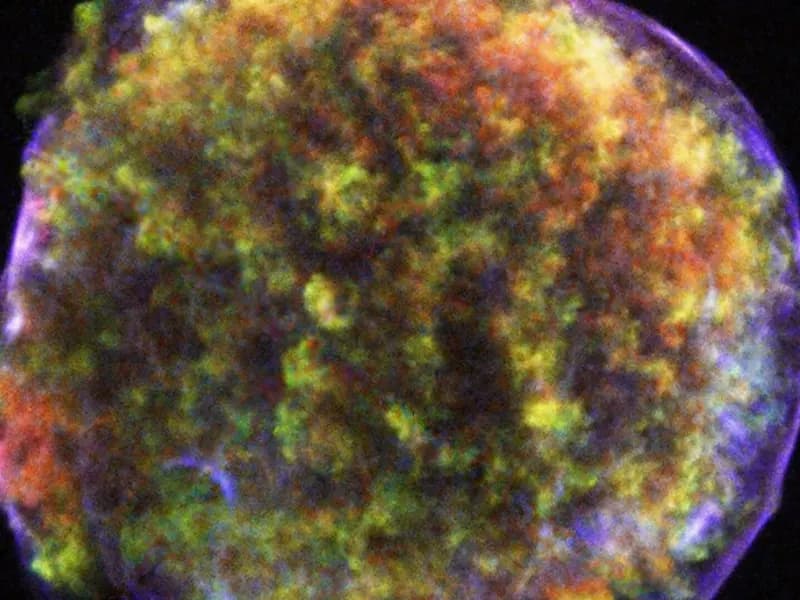
Webb Caught a Probable Supernova From the Early Universe Only Days After It Exploded
Oct 18, 2026/2 min read
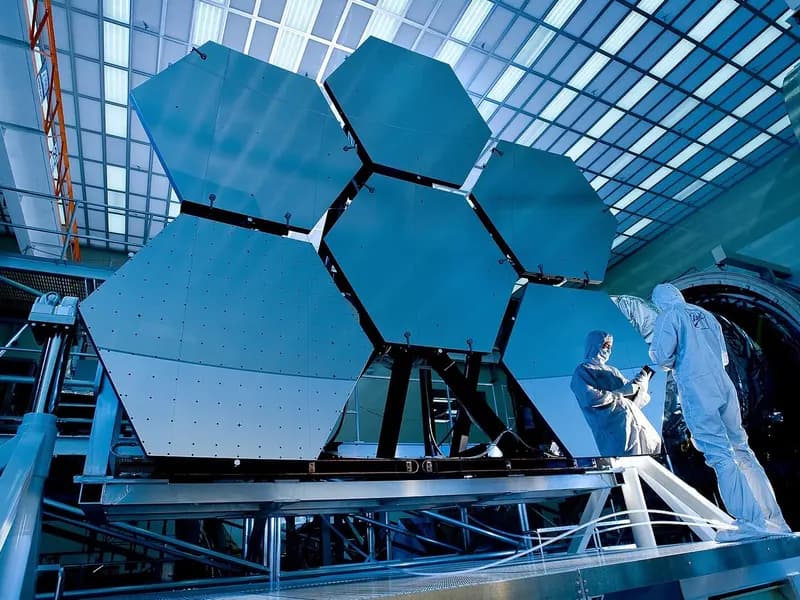
Webb Maps an Exoplanet's Atmosphere as Egg-Shaped, With a Puffed-Up Evening Side Hotter Than Its Morning Edge
Oct 18, 2026/2 min read
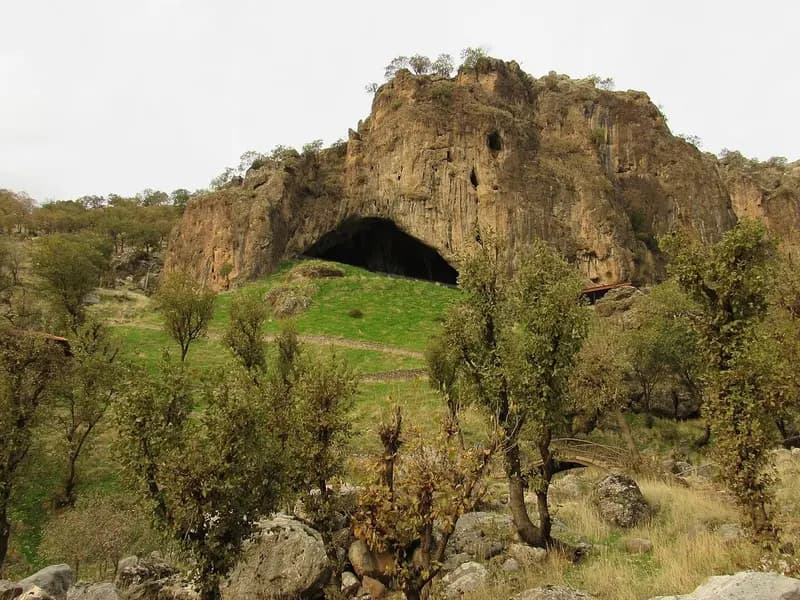
A Hole in a 75,000-Year-Old Shoulder Blade Points to a Wooden Spear, and Perhaps to Neanderthal Care
Oct 18, 2026/2 min read

Anthropic's Own Staff Data: Junior Technical Hires Fell From 27 to 9 Percent as Its AI Agents Outworked Humans
Oct 18, 2026/2 min read