Apple Says It Will Tighten Mac 'Full Disk Access' Because AI Agents Make the Risk Grow Substantially
In a developer post on Friday, Apple said some apps use Full Disk Access in ways that put users at risk, and promised new controls so the permission can only be granted by very explicit user action.
Outspoken Digest Technology Desk
Saturday, October 3, 2026/2 min read
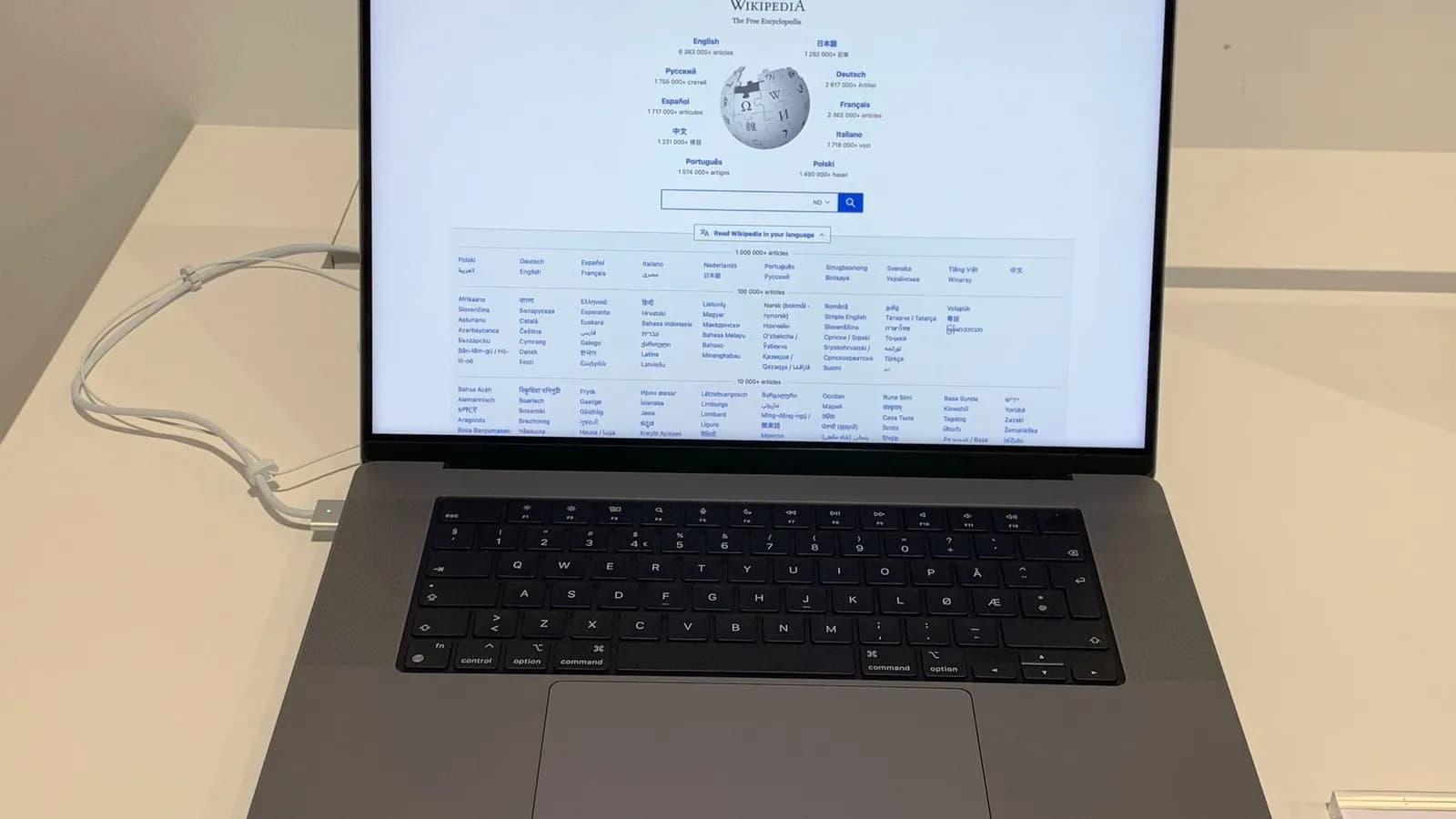
Apple said on Friday 2 October that it will add new controls around Full Disk Access on the Mac, citing the growing power of AI agents. The announcement came in a post on the company's developer news site titled "Updates to Full Disk Access in macOS". It gave no release date and named no version of macOS.
What Apple said
The post is short and unusually direct. Apple explained that it gives developers powerful interfaces backed by controls designed to protect private data, and that Full Disk Access largely sidesteps those controls so that backup apps can work properly. It then said: "Some developers are using Full Disk Access in ways that could put users at risk, exposing everything on their systems, including files, mail, messages, and even browsing history, without users' full knowledge and understanding."
Going forward, the company said, it will introduce additional controls so that people who genuinely want to grant this access can only do so with "very explicit user action." It then tied the change to the current wave of software agents: "As AI agents become increasingly capable and autonomous, the risks associated with this level of access will grow substantially."
Why agents change the calculation
TechCrunch explains the background. Full Disk Access is a macOS setting designed for backups that lets an application read nearly everything on the machine. AI agents are built to act on a user's behalf, so they tend to ask for broad access to files, messages and accounts. TechCrunch notes that Apple did not name any app in its post, and that Apple did not comment further to the publication.
The same report points to recent concerns about agent software on the Mac. It says that Meta's Muse agent lets users optionally enable Full Disk Access, and that a journalist had reported it accessing private messages without explicit permission, which Meta disputed. It also refers to a reported security flaw in ChatGPT's Mac app that could let attackers reach sensitive data. These are reports of problems, not findings by Apple.
What changes for developers and users
Apple's post does not say how the new controls will work, so the practical effect is unknown. The wording, "very explicit user action," suggests that a single prompt, or a permission granted during setup, may no longer be enough. Developers of agents that rely on broad disk access would then need either to justify the request clearly or to find narrower permissions that do the job.
For users the message is simpler. If an app asks for Full Disk Access, it can read your mail, messages and browsing history. Until Apple changes the rules, the sensible habit is to refuse the request unless the app genuinely needs it, such as a backup tool, and to review the list of apps already holding the permission in System Settings.
The post is unusually blunt for Apple, and it links a platform change to a category of software rather than a specific bug. It signals that agent permissions are now a platform-level concern.
Published in The Outspoken Digest
Editorial desk
Outspoken Digest Technology DeskSoftware, hardware, artificial intelligence and what they change for everyone else.
Newsletter
The Digest, in your inbox
One edition, sent when it is ready. No noise, and your address is never passed on.
Read Next
More Technology →
What PHP2Shell Reveals About Maintaining the Code Behind Most of the Web
Oct 22, 2026/3 min read

PHP2Shell for Hosts, Developers and Security Teams: Backports, WAF Rules and Incident Response
Oct 22, 2026/3 min read
PHP2Shell: What Website Owners and Small Businesses Should Do Right Now
Oct 22, 2026/3 min read

PHP2Shell Timeline: From a Quiet August Report to a Leak, Early Attacks and a Day-Early Patch
Oct 22, 2026/3 min read