Berberine and the 'Nature's Ozempic' Claim: What Evidence Shows
Berberine lowers cholesterol and blood sugar in small trials, but comparing it to semaglutide misreads both the data and the biology.
Wednesday, February 14, 2024/4 min read
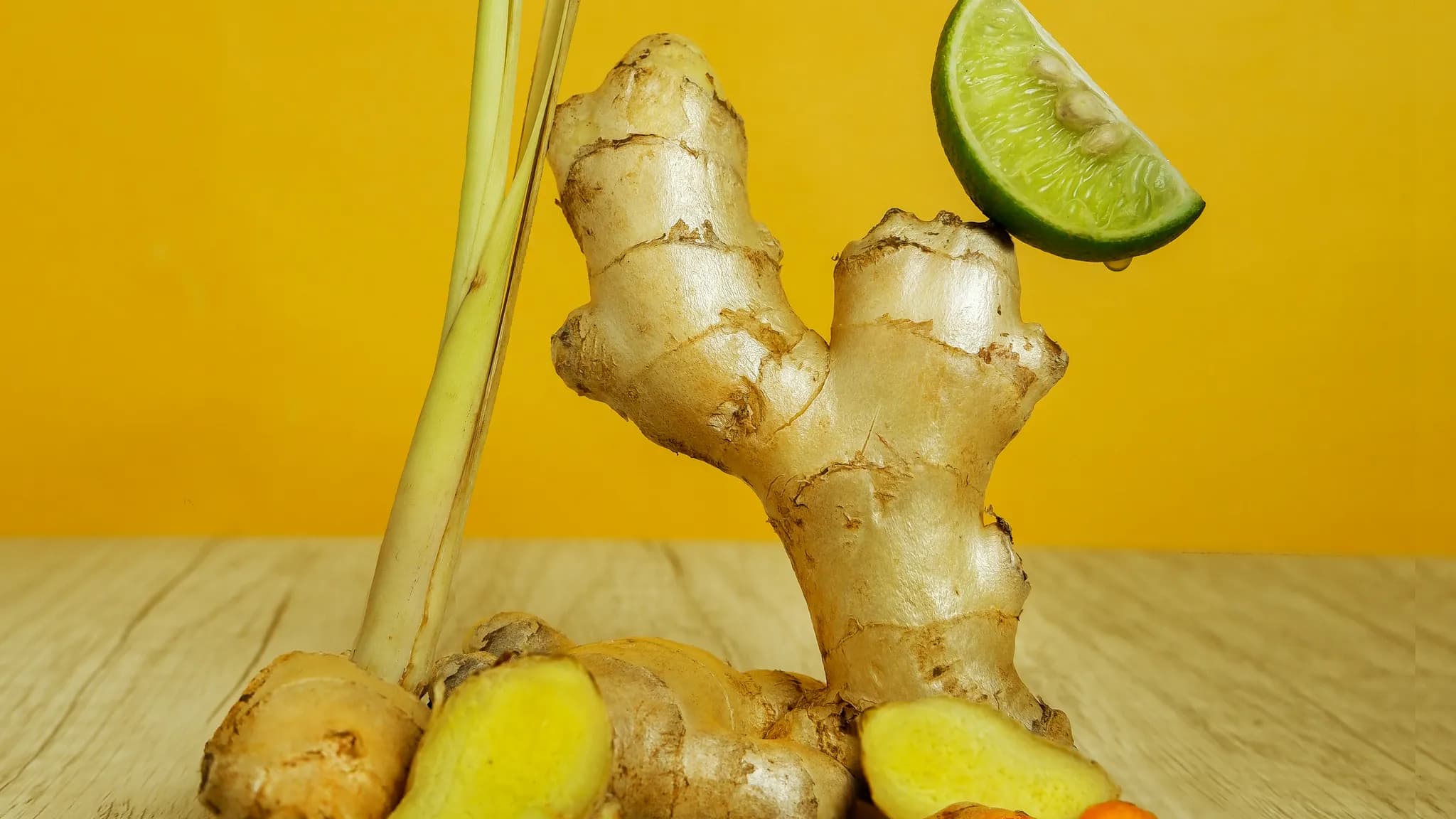
The label showed up on TikTok first, then in wellness newsletters, then in the mouths of people who should know better: berberine, a bitter yellow plant compound used in traditional Chinese and Ayurvedic medicine for centuries, rebranded overnight as "nature's Ozempic." It is a catchy phrase. It is also, on the actual evidence, a stretch that does the compound no favors.
Berberine has real data behind it. It does not have GLP-1 data behind it, and that distinction matters more than marketing copy admits.
Semaglutide, the drug behind Ozempic and Wegovy, mimics a gut hormone called GLP-1 and produces average weight loss in the mid-teens percent of body weight over roughly 68 weeks in the STEP trials. Berberine works through a completely different pathway, activating an enzyme called AMP-activated protein kinase (AMPK), the same cellular fuel gauge that metformin nudges. Nothing about that mechanism resembles a GLP-1 receptor agonist, and nothing in berberine's trial record shows anywhere near semaglutide's effect size.
What the trials actually show
A systematic review and meta-analysis of randomized, double-blind trials published in Cardiology Discovery, pooling ten trials and 811 patients, found berberine produced statistically significant reductions in liver enzymes, triglycerides, total cholesterol and LDL cholesterol compared with placebo. A separate randomized, double-blind, placebo-controlled trial of a berberine phospholipid formulation in overweight adults with impaired fasting glucose found significant improvements in fasting blood glucose, total cholesterol, triglycerides and insulin after two months, a study indexed in the European Review for Medical and Pharmacological Sciences.
A more recent systematic review and meta-analysis of placebo-controlled trials in Frontiers in Pharmacology looked specifically at components of metabolic syndrome and reached a similar conclusion: modest but real improvements in lipids and glycemic markers, not dramatic ones.
That is a genuinely useful supplement profile for someone managing borderline cholesterol or blood sugar. It is not a weight-loss drug replacement, and none of these trials measured weight loss as their headline outcome the way GLP-1 trials do.
What Mayo Clinic and Cleveland Clinic actually say
According to Mayo Clinic Press, internal medicine physician Dr. Brent Bauer describes berberine as a reasonable tool for supporting healthy blood sugar and cholesterol levels, explicitly not a magical weight-loss solution. Cleveland Clinic lists the same modest use case: support for metabolic markers, alongside a clear side-effect and interaction warning.
Side effects are common and mostly digestive
The most consistent adverse effects across the trials are gastrointestinal: nausea, constipation, diarrhea, gas and occasional vomiting. Starting at a lower dose and taking berberine with meals appears to reduce these effects, per Cleveland Clinic's guidance. These are not rare footnotes; GI upset shows up in a meaningful share of trial participants.
Drug interactions are the bigger safety issue
Berberine interacts with a long list of medications. Mayo Clinic flags interactions with anti-clotting drugs, sedating medications such as zolpidem, and diabetes medications including metformin, where combining the two could push blood sugar down further than intended. Anyone already on prescription medication for diabetes, blood pressure or blood clotting should not add berberine without checking with the prescriber first.
Why it resonates in the Gulf
The reason berberine found such an eager audience in the Gulf is not mysterious. Obesity affects roughly two-thirds of UAE nationals when overweight and obesity are combined, with obesity alone estimated near 27.8 percent, according to a chapter on obesity in the UAE indexed via Springer Nature, and a large-scale population study of the Middle East found overweight and obesity prevalence notably higher among women across several Gulf countries as well. Against that backdrop, an over-the-counter supplement promising cholesterol and blood sugar help without a prescription is an obviously attractive proposition, sold openly in pharmacies and online across the region the same way it is everywhere else, unregulated as a medical treatment and marketed on far bigger promises than its trial data supports.
Who might reasonably consider it, and who should not
A person with mildly elevated cholesterol or borderline fasting glucose who wants to try a lifestyle-adjacent intervention alongside diet and exercise, and who is not on conflicting medication, sits closest to the population these trials actually studied. A person expecting Ozempic-level weight loss, someone already on metformin or blood thinners without medical supervision of the combination, or someone hoping to replace an existing prescribed treatment with a supplement, is reading the evidence wrong in each case. The gap between those two profiles is exactly where the marketing tends to blur the line.
Why the evidence is still thin, and what would settle it
Most berberine trials are small, short (often eight to twelve weeks), and conducted primarily in China, which limits how confidently the results generalize. Formulations vary widely, and berberine itself is poorly absorbed by the gut, which is why some products pair it with phospholipids to improve bioavailability, a detail that makes cross-study comparison harder. Long-term outcome data, the kind that would show whether berberine reduces heart attacks, strokes or diabetes progression the way large drug trials do, simply does not exist yet.
What would change that picture: larger, longer, multi-country randomized trials with hard cardiovascular or diabetes-onset endpoints, standardized formulations and doses, and head-to-head comparisons against established generic drugs like metformin rather than placebo alone. Until that exists, berberine sits in a reasonable but modest category, useful adjunct, not pharmaceutical substitute.
This article is reporting, not medical advice. Decisions about starting, stopping or combining berberine with any prescription medication, especially diabetes drugs, blood thinners or sedatives, belong with a clinician who knows your health history and current prescriptions.
The compound will likely keep circulating under flashy nicknames because the story is easy to tell. The actual research tells a quieter one: a plant extract with real, measured, modest effects on cholesterol and blood sugar, worth a conversation with a doctor, not a replacement for an injection that works through an entirely different biological door.
Published in The Outspoken Digest
Editorial desk
Outspoken Digest Health DeskMedicine, public health and the research behind the headlines, read carefully.
Newsletter
The Digest, in your inbox
One edition, sent when it is ready. No noise, and your address is never passed on.
Read Next
More Health →
Two Days After the Nobel for Optogenetics, a Small NEJM Trial Shows It Helped Some Blind Patients Detect Objects
Oct 9, 2026/3 min read

WHO Launches a Global Roadmap on Pre-Eclampsia and Pregnancy Hypertension, Tied to 42,000 Maternal Deaths a Year
Oct 8, 2026/3 min read

WHO Says Diet and Exercise Come First and Children Under 10 Should Not Get Weight-Loss Drugs or Surgery
Oct 7, 2026/3 min read

Kenya Confirms Its First Ebola Case, a Man Who Flew In From Uganda After Years in Congo and Died in Nairobi
Oct 6, 2026/3 min read