UKHSA Issues Yellow Cold-Health Alert for Northern England From Sunday Night
The alert covers three English regions until Thursday morning. What it signals, who is most at risk, and the modelled estimate of 2,200 cold-associated deaths last winter behind the warnings.
Monday, November 16, 2026/2 min read
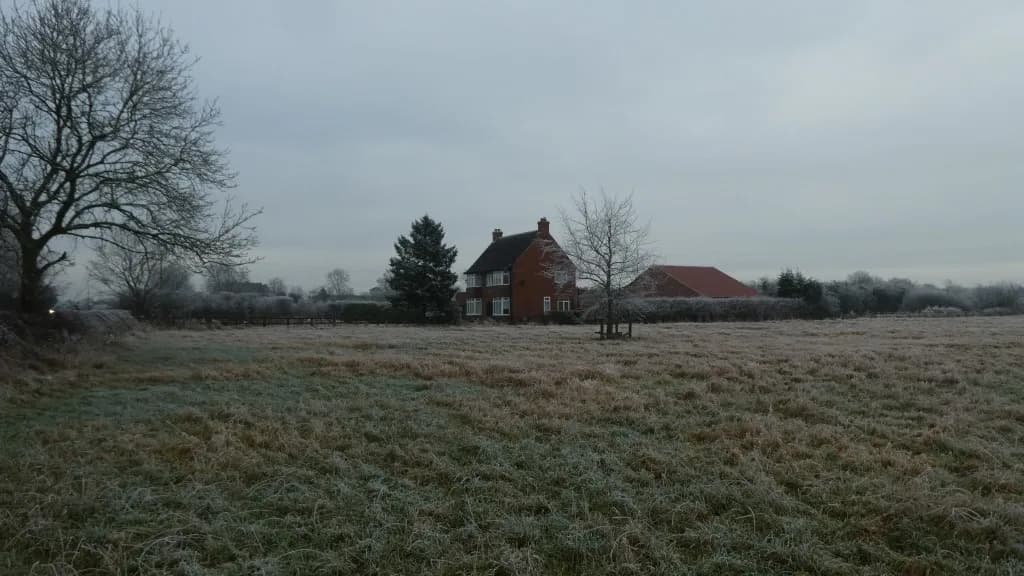
A yellow cold-health alert covering the North West, North East and Yorkshire and the Humber came into force at 9pm on Sunday 15 November and runs until 9am on Thursday 19 November, according to the UK Health Security Agency's alert page, which it updated on Saturday. Other regions of England are not affected.
It is the second alert on that page this winter. The first, issued on 10 November for the North West and the West Midlands, ran from 9am on Thursday to midday on Saturday. UKHSA says more are likely as the season goes on.
What does a yellow cold-health alert mean?
UKHSA issues yellow alerts when cold could affect people who are more vulnerable than most, rather than the population as a whole. UKHSA names people aged 65 and over, people with existing conditions such as respiratory and cardiovascular disease, and people sleeping rough as the groups at greatest risk.
For the first alert, IBTimes reported that temperatures could fall to about minus 1C in places including Chester and Barnoldswick in Lancashire. The agency's advice is simple: heat the rooms you use most, dress warmly, and check in on friends, family and neighbours. Dr Anya Gopfert of UKHSA said it is "vital to check in on friends, family and neighbours who are most vulnerable".
How many deaths does cold weather cause in England?
Behind the warnings sits a modelled estimate of harm. In its cold mortality monitoring report, published on 22 October, UKHSA estimated 2,200 cold-associated deaths in England in winter 2025 to 2026, with a 95 per cent confidence interval of 1,627 to 2,759. The agency's statistical release counts five cold episodes totalling 18 days.
The worst was nine days, from 2 to 10 January 2026, linked to an estimated 1,563 deaths. The North West had the highest number of cold-associated deaths of any region, at 393. These are modelled figures, not a count of death certificates, and UKHSA says they should not be compared directly with its heat mortality reports because the methods differ. It also changed how it defines a cold episode, so the figure is not a like-for-like comparison with the previous winter's.
UKHSA's release says circulatory diseases accounted for the most deaths among the causes it examined, an estimated 757.
What should you do during the alert?
The practical steps are the ones UKHSA repeats every winter: heat the rooms you use most, dress warmly, and check in on anyone older or unwell nearby.
This piece reports public-health guidance and official statistics and is not medical advice. Anyone with a heart or lung condition, or who looks after someone vulnerable, should ask their GP, pharmacist or NHS 111 about their own situation.
With the alert running until Thursday morning and UKHSA expecting further ones, the next test is whether the cold lifts on schedule or the agency extends the warning.
Published in The Outspoken Digest
Editorial desk
Outspoken Digest Health DeskMedicine, public health and the research behind the headlines, read carefully.
Newsletter
The Digest, in your inbox
One edition, sent when it is ready. No noise, and your address is never passed on.
Read Next
More Health →
World Diabetes Day 2026: Why Early Action Is the Theme and What a New IDF Survey Found
Nov 14, 2026/3 min read

BMI Alone Misses Obesity in Up to 8.6% of Adults, an 844,000-Person Nature Study Finds
Nov 13, 2026/2 min read

Microsoft Outage Cuts NHS Email, GP Online Forms and Pharmacy Links, Though Clinical Systems Are Reported Working
Nov 13, 2026/3 min read

WHO Reports 1.13 Million TB Deaths in 2025 as Donor Funding Falls 14 Percent
Nov 12, 2026/2 min read