Binance Stops Processing Transactions With Eleven Platforms From 23 August
The exchange is cutting off transaction processing with HTX and ten other trading platforms, citing regulatory mandates and sanctions enforcement. Users of those venues have a week to move.
Monday, August 17, 2026/3 min read
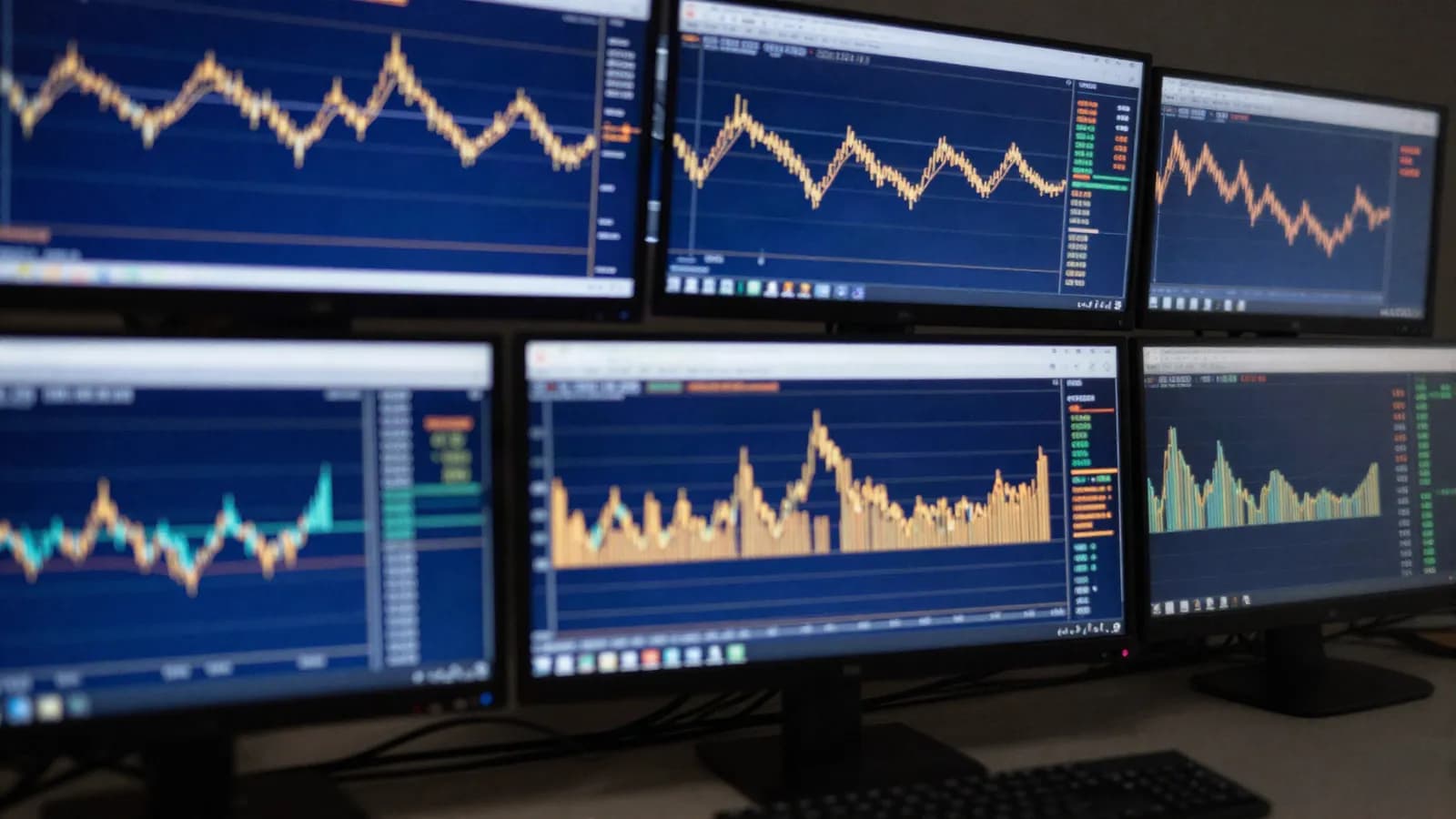
Binance will halt transaction processing with HTX and ten other cryptocurrency trading platforms from 23 August, citing new regulatory mandates and the enforcement of international sanctions.
For anyone holding balances that route through those venues, the practical deadline is now. The wider point is what the decision says about how exchanges are being asked to police each other.
What is being cut off, and what is not
The action targets transaction processing between platforms rather than the assets themselves. A token is not being delisted. A route is being closed.
That distinction matters because it determines what a user has to do. If your funds sit on one of the affected platforms and you were relying on transfers that pass through Binance infrastructure, the path you have been using disappears on a fixed date. The asset still exists. Getting it somewhere useful may now require a different and slower route, or may require the other platform to have arranged one.
The risk in these situations is rarely total loss. It is being unable to move at the moment you want to, which in a volatile market is its own kind of loss.
Why an exchange polices other exchanges
Because regulators have made it the exchange's problem.
Sanctions compliance in traditional finance works through correspondent banking. A bank that processes payments for another institution is expected to know who that institution serves, and if it cannot demonstrate that, it stops processing. The penalty for getting it wrong falls on the processor, not only on the sanctioned party.
Crypto has spent a decade arriving at the same structure. As large exchanges obtained licences in major jurisdictions, they inherited correspondent-style obligations, and the cheapest way to satisfy an obligation you cannot fully verify is to sever the relationship. Cutting eleven counterparties is not a judgement that all eleven are guilty of something. It is a decision that the cost of proving otherwise exceeds the value of the flow.
This is the same logic that produced market makers registering as brokers and it is the direction the whole sector is travelling.
What users of the affected platforms should do
- Check the actual list before acting. Announcements of this kind name specific platforms and specific services, and the affected set is narrower than the headline implies.
- Move on the assumption the date is real. Deadlines in compliance actions are set by a licence condition, not by customer service, and extensions are rare.
- Test with a small amount first. A route that still works today may already be degraded, and finding that out with a large balance is expensive.
- Do not use a deadline as a reason to rush into an unfamiliar venue. The predictable second-order harm of a cutoff is people scattering onto whichever platform accepts them fastest.
The lesson that outlasts this particular list
Counterparty risk in this market is not mainly about whether a platform is solvent. It is about whether a platform can keep its connections.
A venue that is perfectly functional can become unusable because the larger institutions it depends on decide the compliance burden is not worth carrying. Nothing needs to have gone wrong internally. The value of an exchange to a user is the sum of the routes in and out of it, and those routes are owned by somebody else.
That is the strongest available argument for the discipline covered in self-custody basics: not that exchanges fail, but that they can be disconnected, and a disconnection looks identical to a failure from where the user is standing.
Does this affect the assets themselves?
Not directly. Tokens on a public chain do not care which company processes a transfer, and a halt in processing between platforms leaves the underlying networks untouched.
What it can affect is liquidity. When routes between venues close, price differences between them widen because the arbitrage that normally closes the gap has further to travel. Thin books and wider spreads on the affected platforms are the realistic market consequence, and they tend to appear before the deadline rather than after it.
Published in The Outspoken Digest
Newsletter
The Digest, in your inbox
One edition, sent when it is ready. No noise, and your address is never passed on.
Read Next
More Crypto →
Bitcoin Slips Toward $80,000 After Hot US Inflation and an Asian Tech Rout, With Long Positions Hit Hardest
Oct 15, 2026/2 min read

Bitcoin ETFs Lose $681 Million in a Week, the Worst Since June, as Traders Watch Wednesday's CPI Report
Oct 13, 2026/2 min read

ESMA Tells Licensed Crypto Firms to Stop Serving Non-MiCA Stablecoins and Gives Them Three Months to Unwind
Oct 9, 2026/2 min read
The UK's FCA Opened Its Crypto Authorisation Gateway, Starting the Clock on a New 2027 Regime
Oct 1, 2026/2 min read