ESMA Tells Licensed Crypto Firms to Stop Serving Non-MiCA Stablecoins and Gives Them Three Months to Unwind
Europe's markets regulator has told exchanges and brokers to cut off tokens that skip MiCA's reserve and redemption rules. Old holdings must be cleared by 8 January 2027 at the latest.
Friday, October 9, 2026/2 min read

Europe's securities regulator has closed a gap that stablecoin issuers outside the bloc had been living in. In an opinion published on Thursday, the European Securities and Markets Authority said that crypto firms licensed under the MiCA rulebook "should cease providing services related to non-MiCA-compliant stablecoins" to clients in the European Union, according to ESMA's announcement.
The text is addressed to national supervisors rather than to the public, but its weight falls on every exchange, broker and custodian with a European licence. Where old positions remain, regulators must require them to be cleared "no later than three months after the publication of the opinion", which puts the outer limit at about 8 January 2027.
What does the ESMA stablecoin opinion cover?
It concerns two categories of token that MiCA uses for stablecoins: asset-referenced tokens and e-money tokens. A token counts as non-compliant when the conditions for a lawful public offer or admission to trading in the EU are not met. The services at issue are the whole menu: running a trading platform, exchange, order execution, advice, transfers, custody and portfolio management, alone or in combination.
Supervisors are asked to check that firms do not keep, introduce or help clients reach these tokens. Firms are expected to build technical, contractual and organisational controls, including "controls preventing clients from acquiring or increasing exposures". Unchained's reading is that warnings, disclosures and client tick-boxes are not enough.
Which stablecoins are affected?
ESMA names none, and Unchained notes that the opinion names no specific token. The practical picture comes from the market. Tether's USDT has no EU authorisation as an e-money token, and Unchained says MiCA has already pushed it off several European exchanges. A syndicated explainer on Cryptonews cites CoinDesk as naming PayPal's PYUSD as another unauthorised coin.
Circle's USDC sits on the other side of the line. The same explainer says it is issued by Circle Internet Financial Europe, an e-money institution authorised in France, and lists the euro stablecoin EURC among authorised tokens. That is secondary reporting, and each firm's own notice is the thing to read.
What happens to people who already hold them?
The opinion is aimed at licensed providers, not at individual holders. It leaves room for an orderly exit: any continued service must be strictly limited to liquidating, converting, withdrawing, transferring or safekeeping the assets, and be time-limited, risk-based and closely supervised. Buying more, promotion and active distribution are what must stop. Platforms may pick dates earlier than January, so an exchange's own customer notice is the date that matters.
Why is the regulator doing this now?
Unchained summarises ESMA's reasoning: leaving these tokens on licensed platforms lets issuers sidestep MiCA's redemption, reserve, governance and disclosure rules, disadvantages compliant issuers and erodes investor confidence. The opinion arrives eight days after ESMA answered the European Commission's consultation on reviewing MiCA, on 30 September.
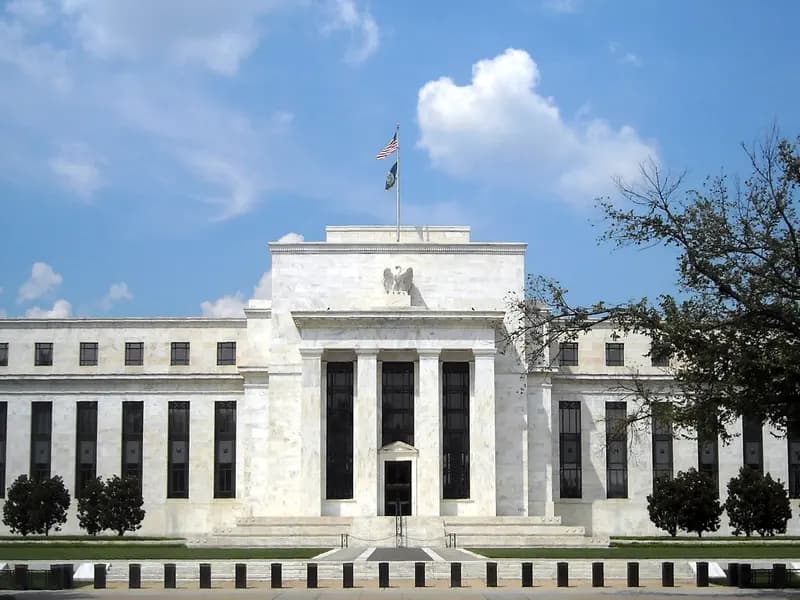
The direction of travel is the same across the Atlantic, where the Federal Reserve recently proposed capital and reserve rules for issuers under the GENIUS Act, as we reported on 27 September. The next thing to watch is the national regulators, such as Germany's BaFin, which must now turn a European opinion into deadlines that exchanges can act on.
Published in The Outspoken Digest
Newsletter
The Digest, in your inbox
One edition, sent when it is ready. No noise, and your address is never passed on.
Read Next
More Crypto →
The UK's FCA Opened Its Crypto Authorisation Gateway, Starting the Clock on a New 2027 Regime
Oct 1, 2026/2 min read

Vitalik Buterin Set Out a 2030 Vision for Ethereum as a 'Cryptographic World Computer'
Sep 29, 2026/3 min read
The Federal Reserve Proposed Capital and Reserve Rules for Stablecoin Issuers Under the GENIUS Act
Sep 27, 2026/2 min read