Boeing Narrows Its Quarterly Loss to $116 Million but Pushes Its 737 Rate 47 Target Into Next Year
Revenue rose 4 percent to $24.2 billion and the backlog hit a record, yet the planemaker admitted the 737 line will not stabilise at 47 jets a month this year and its shares sank.
Wednesday, October 28, 2026/2 min read
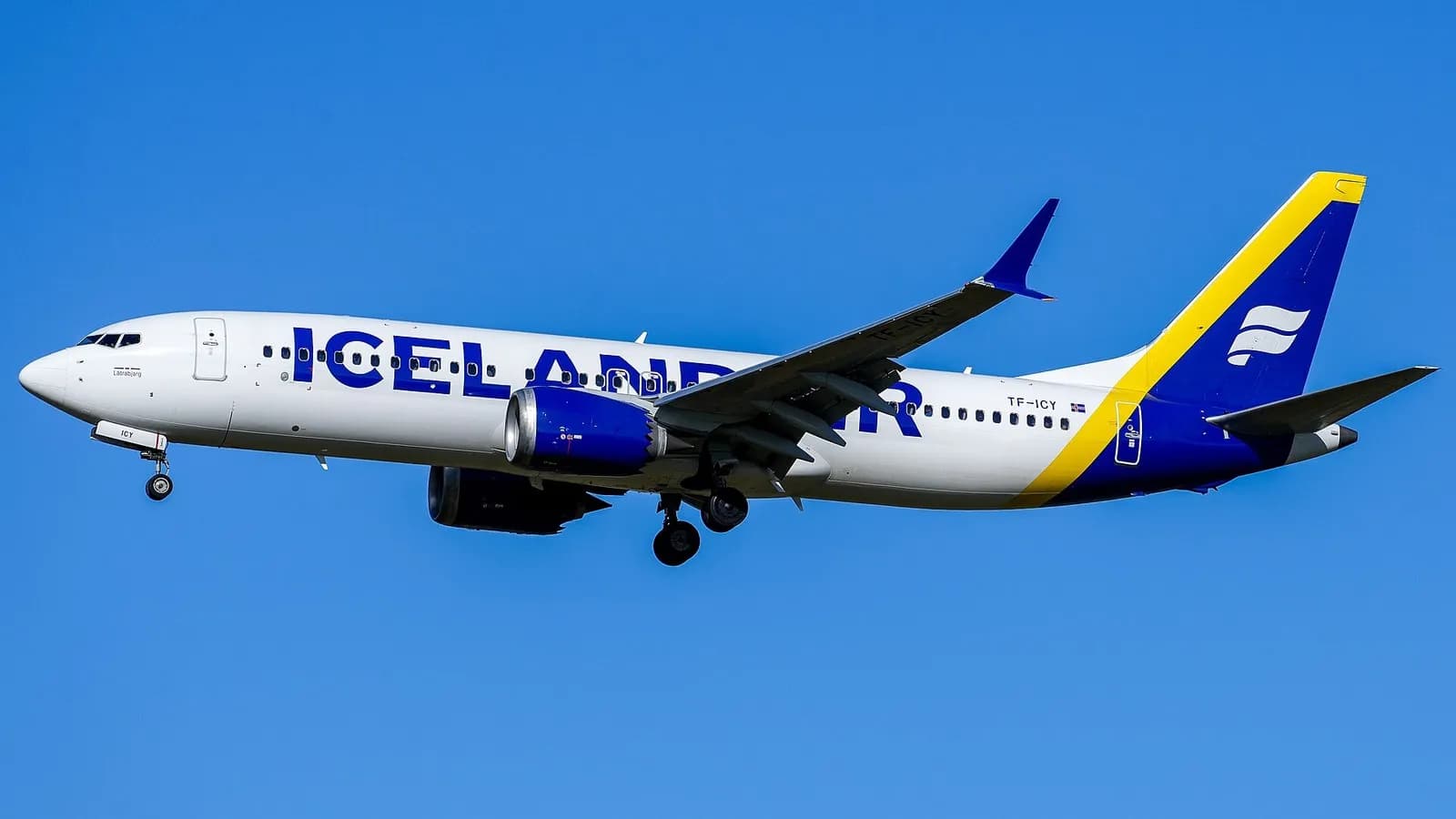
Boeing's third quarter showed a company that is mending and a production line that is not mending fast enough. The planemaker reported a net loss of $116 million on revenue of $24.2 billion, up 4 percent from $23.3 billion a year earlier, in its results released on Tuesday. A year ago the loss was $5.3 billion. Investors still sold the stock hard.
According to Proactive Investors' market report, Boeing shares fell about 10 percent on Tuesday on production ramp-up delays and a lower 2026 delivery outlook, on a day when the Nasdaq rose.
What were Boeing's third-quarter results?
The comparison with last year flatters the number. The year-earlier loss included a large charge on the 777X programme, as AeroTime noted, which is why the loss per share fell from $7.14 to $0.26 on a reported basis. The core (non-GAAP) loss was $0.34 a share against $7.47.
Cash was positive. Operating cash flow was $1.5 billion and free cash flow was $464 million, after roughly $700 million of payments tied to a US Justice Department settlement. Boeing delivered 161 aircraft in the quarter, one more than a year ago, and 475 in the first nine months.
The backlog is the headline in its favour: a record $745 billion, including more than 6,300 commercial airplanes worth $612 billion, a defence backlog of $101 billion and $33 billion in services.
Why is the 737 production rate slipping?
This is what the market reacted to. Boeing has been working toward a stable 737 rate of 47 a month and had hoped to reach it this year. Chief executive Kelly Ortberg told CNBC the milestone is now expected into early next year, according to Aerospace Global News, which tied the slip to supply-chain constraints despite strong demand.
Ortberg told employees that the company stands on firmer ground than a year ago, but that "we are not done." Elsewhere in the programme list the news was steadier. The 737-7 received amended type certification and the 737-10 was certified in October, the 787 holds at eight a month, and certification flight testing continues on the 777X, whose first delivery remains planned for 2027.
Wall Street had hoped for better. Reuters' morning market report, carried by Kitco, described the quarterly loss as bigger than expected, and by the close, Proactive Investors had the stock down about 10 percent. A smaller loss than last year's is progress; a production target that keeps moving is what drives the share price.
What does Boeing's outlook mean for airlines?
For airlines waiting on 737s, the practical cost of the slip is time. A line running below its target limits how quickly the record backlog turns into deliveries and cash.
The company's own figures give the scale of the task. Nine-month deliveries stand at 475 aircraft, and AeroTime counts 124 of the quarter's 161 as 737s. The next test is the fourth quarter, when Boeing will show whether the line can hold its pace without new delays.
Published in The Outspoken Digest
Editorial desk
Outspoken Digest Markets DeskReports for The Outspoken Digest across Business, Crypto.
Newsletter
The Digest, in your inbox
One edition, sent when it is ready. No noise, and your address is never passed on.
Read Next
More Business →
Wall Street Closes Higher on a Chip Rally as Boeing Falls and Traders Wait for the Fed
Oct 28, 2026/2 min read

UPS Beats Third-Quarter Estimates and Raises Its 2026 Outlook, With Shares Rising About 5%
Oct 27, 2026/2 min read

Wall Street Rebounds on Monday as an Anthropic Filing Lifts Tech, With the Fed and Big Earnings Ahead
Oct 27, 2026/2 min read

Wall Street Week Ahead: A Fed Decision on Wednesday, Alphabet, Microsoft and Amazon Report, and Oil Near $117
Oct 26, 2026/2 min read