Brazil Says Amazon Deforestation Fell to 3,335 Square Kilometres, the Lowest Level Since Records Began in 1988
Annual clearing dropped nearly 42 percent, but fire counts have tripled since 4 October and a presidential runoff on 25 October could decide whether the gains hold.
Friday, October 16, 2026/2 min read
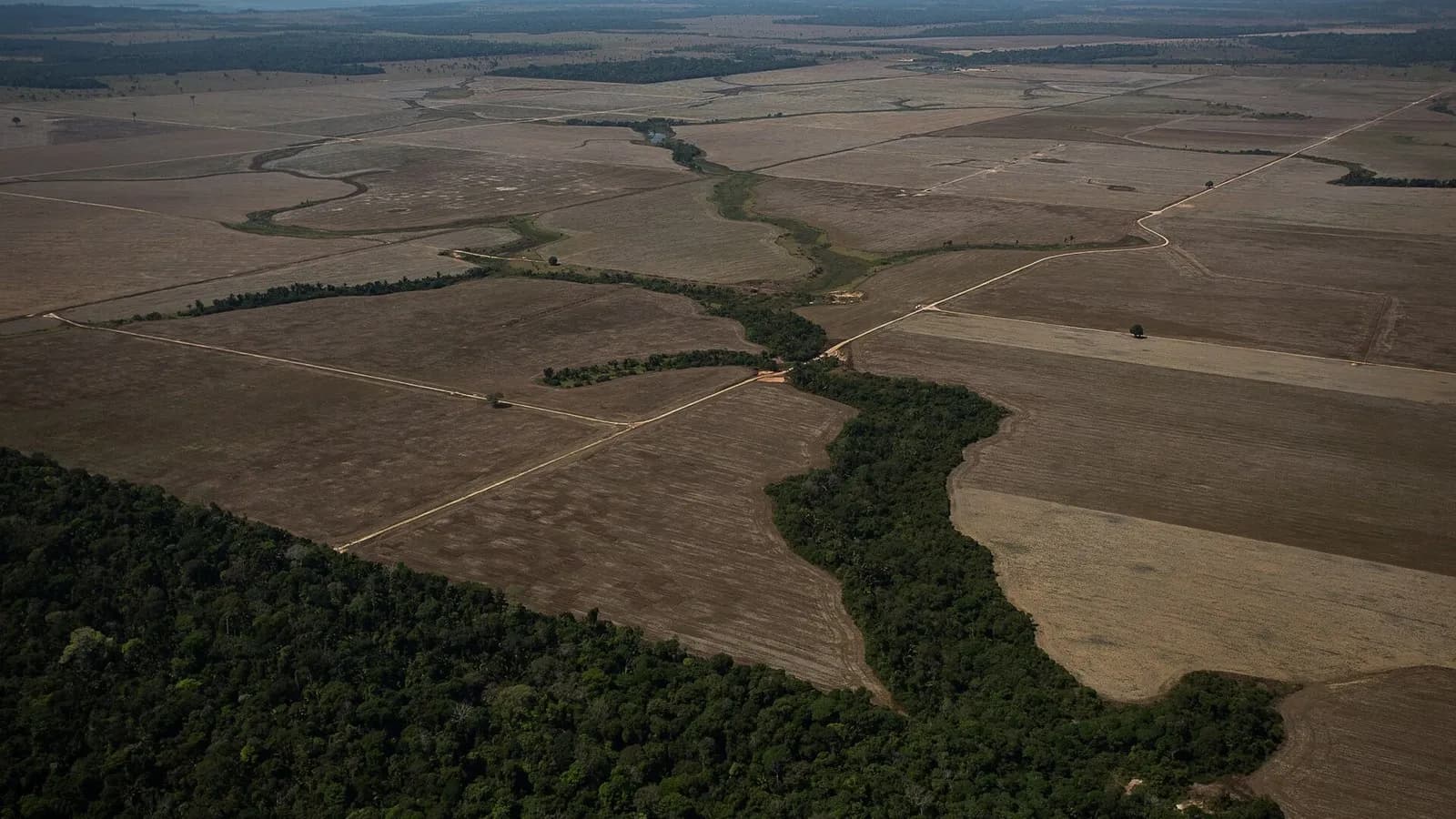
The Brazilian Amazon lost 3,335 square kilometres of forest to clearing between August 2025 and July 2026, the lowest annual figure since satellite records began in 1988, the Brazilian government announced on Friday. The Associated Press, reporting from São Paulo, said the number is the one used to calculate the official annual rate.
Agence France-Presse put the drop at nearly 42 percent from the previous year. Environment Minister João Paulo Capobianco called it an absolutely stratospheric fall, "like a dream."
How much did deforestation fall in the Amazon?
Under President Luiz Inácio Lula da Silva, deforestation has fallen 71 percent since 2023, the government said, per the Associated Press. During Jair Bolsonaro's presidency from 2019 to 2022, clearing rose about 60 percent, with more than 45,000 square kilometres cut.
The savanna next door also improved. The Cerrado lost 5,517 square kilometres over the same period, down almost 24 percent and the lowest since its records began in 2001, France 24 reported from AFP.
What changed policy on the ground?
Lula revived the PPCDAm, an anti-deforestation plan launched in 2004 and shelved under Bolsonaro. Measures include restoring penalties for illegal clearing detected by satellite, barring properties with illegal deforestation from bank loans, and directing more money to municipalities that reduced forest loss. Márcio Astrini of the Climate Observatory, a network of environmental groups, said the results show that enforcement and fighting crime work, and that zero deforestation by 2030 is achievable without hurting the economy.
Lula's stated goal is zero illegal deforestation by 2030. Forest loss and other land-use changes are the largest source of Brazil's greenhouse gas emissions.
Why are scientists still worried about the Amazon?
The figure measures clear-cutting, not all damage. Degradation from fires, logging and drought affects about 40 percent of the Amazon and has recently outpaced clearing. Fire counts were near historic lows this year, but they have tripled since 4 October, and authorities are investigating whether some blazes were set deliberately for political reasons. A strong El Niño could raise fire and drought risks in 2026 and 2027.
The figure is an annual satellite-based estimate, so it says little about how healthy the standing forest is. Politics is the other variable. Former environment minister Marina Silva, who resigned in April to run for Congress, called the result historic and said the election outcome will be crucial to sustaining it. In the first round, Flávio Bolsonaro took 47 percent to Lula's 45 percent, and the runoff is on 25 October. Flávio Bolsonaro has pledged to end illegal deforestation by 2029, but proposed legislation and a change of government could threaten the progress.
The forest has delivered a record. Whether it becomes a trend now depends as much on ballots and fire seasons as on satellites.
Published in The Outspoken Digest
Editorial desk
Outspoken Digest Science DeskReports for The Outspoken Digest across Technology, Latest Trends, Health.
Newsletter
The Digest, in your inbox
One edition, sent when it is ready. No noise, and your address is never passed on.
Read Next
More Technology →
Webb Caught a Probable Supernova From the Early Universe Only Days After It Exploded
Oct 18, 2026/2 min read

Webb Maps an Exoplanet's Atmosphere as Egg-Shaped, With a Puffed-Up Evening Side Hotter Than Its Morning Edge
Oct 18, 2026/2 min read
A Hole in a 75,000-Year-Old Shoulder Blade Points to a Wooden Spear, and Perhaps to Neanderthal Care
Oct 18, 2026/2 min read

Anthropic's Own Staff Data: Junior Technical Hires Fell From 27 to 9 Percent as Its AI Agents Outworked Humans
Oct 18, 2026/2 min read