Brent Slips Toward $90 and WTI Below $82 for a Third Weekly Loss as Hormuz Flows Recover and Houthi Missiles Hit Riyadh
Oil is heading for a third straight weekly decline as tanker traffic through the strait returns to pre-war levels, with a surplus expected, even as missile attacks and mine reports add risk.
Friday, November 20, 2026/2 min read
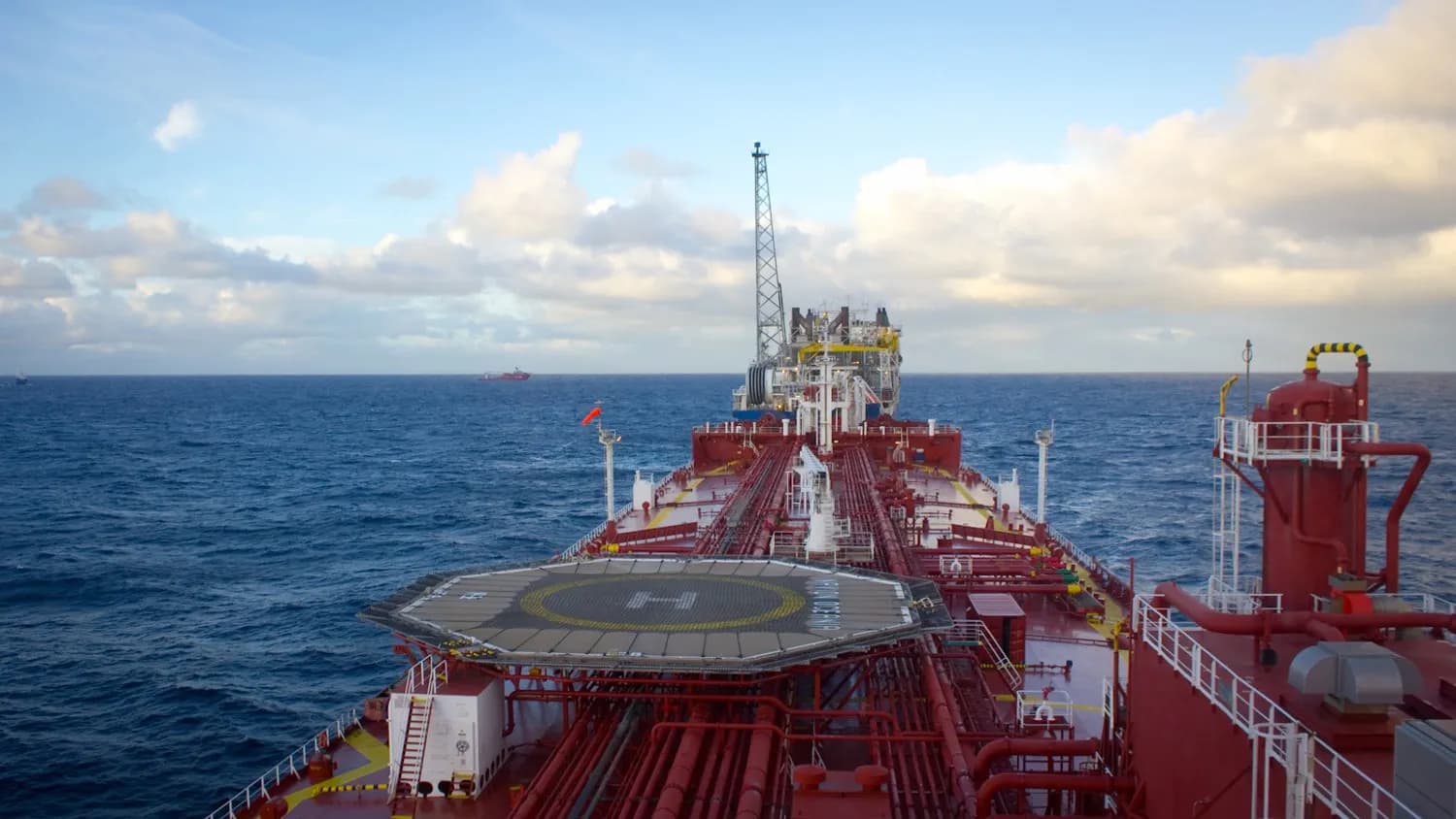
Oil is ending the week lower for the third time running. Brent fell 1.8% to $90.33 a barrel on Friday and US West Texas Intermediate dropped 1.95% to $81.59, with Brent on course for a weekly loss of about 6% and WTI about 8%, according to a Friday market report. Those figures were snapshots taken during the session, not settlement prices, and different reports show slightly different levels.
Early in the Asian day oil had actually edged higher. FXEmpire, citing Reuters, had Brent near $92.22 and WTI near $82.64 at 01:18 GMT. We last covered the market when Brent was near $94.90, in our report on the IEA's surplus call.
Why are oil prices falling this week?
The main reason is supply returning. Crude shipments through the Strait of Hormuz have recovered to roughly pre-war levels, both reports said, and that has strengthened expectations of a surplus. The broader sell-off in shares has added demand worries. Oil is also well below the wartime highs above $100 that it reached last month.
US stocks are an indirect factor. The report noted that the unwinding of AI-related trades and weakness in equities weighed on crude, in the same week that Wall Street's main indexes fell more than 5%, as we reported after Thursday's close. US inventories added to the pressure: the EIA's weekly report showed crude stocks up 3.4 million barrels and gasoline stocks up 5.2 million, FXEmpire said.
What risks could lift oil prices?
Geopolitics keeps a floor under prices. Houthi missile attacks on Riyadh revived supply concerns, and Iran's Revolutionary Guards Navy said two tankers hit naval mines in the strait on Thursday, according to a statement carried by state media. FXEmpire also said Ukrainian drone attacks have cut Russian refineries' combined crude processing by 45% since late October.
There was one more item on Thursday's agenda. At the Shenzhen meeting, the leaders of the US, China and Russia planned to raise refined petroleum production and supply, FXEmpire said, and their joint declaration did not mention Iran or Ukraine. Trump said separately that the US and China share an interest in keeping oil moving through Hormuz.
What is the next test for Brent?
The next big event is the OPEC+ ministers' meeting starting on 29 November to set 2027 output policy, which FXEmpire called the bigger test for Brent. Analysts at the time of writing watched $93.56 as resistance and $90.83 as support, so a close below that floor would confirm that the fall has further to go. The International Energy Agency has also warned that the conflict could cut global oil demand by more than 4% by 2035 if governments speed up electrification, the rallies report said.
Friday's settlement prices will set the weekly record. Whether Brent holds $90 into the weekend will depend on Hormuz traffic, the attacks on Riyadh and the mood on Wall Street when it opens.
Published in The Outspoken Digest
Editorial desk
Outspoken Digest Markets DeskReports for The Outspoken Digest across Business, Crypto.
Newsletter
The Digest, in your inbox
One edition, sent when it is ready. No noise, and your address is never passed on.
Read Next
More Business →
Anthropic Shares Fall About 6% Before the Bell on Day Two as Index Entry, OpenAI and Lock-Ups Loom
Nov 20, 2026/2 min read

Gold Slides to $3,513, Its Lowest Since September 2025, and Heads for an 8% Weekly Loss as Fed Hike Bets Near Certainty
Nov 20, 2026/2 min read

Taiex Plunges 6.2%, Kospi 5.2% and Nikkei 5.1% as the AI Sell-Off Sweeps Asia Despite Anthropic's Debut
Nov 20, 2026/2 min read

Anthropic Prices Its IPO at $83, Raises a Record $81.3 Billion and Closes Its Nasdaq Debut 17% Higher at $97.17
Nov 19, 2026/2 min read