Heart Failure and Heart Attack Admissions Rose Faster Where US Cannabis Was Legalised, Study Reports
A BMJ Open analysis of 50 million hospital discharges found faster yearly rises in heart failure, heart attack and atrial fibrillation admissions in the Western states. It cannot show cause.
Friday, October 23, 2026/2 min read
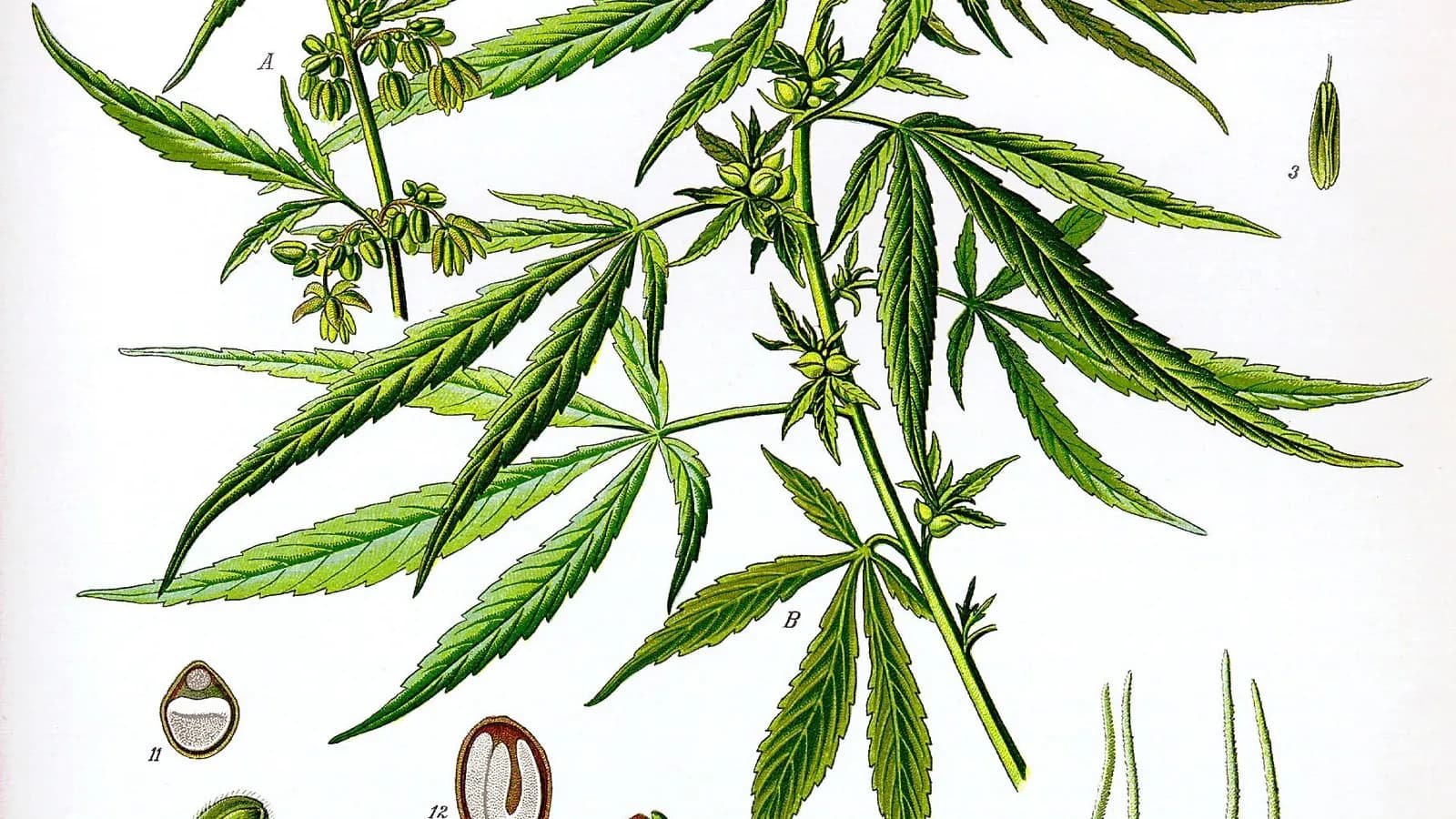
Hospital admissions for several heart conditions rose faster in the Western United States, where recreational cannabis was legalised first, than in regions that had not legalised it, according to a study published in BMJ Open on 22 October. The analysis, summarised in the BMJ Group release, is observational and cannot show that cannabis caused the increases.
The authors call it the first study to look at cardiovascular hospitalisations in relation to recreational legalisation.
What did the study do?
The team used the National Inpatient Sample, which covers about 97 percent of the US population, and analysed 50,042,564 hospital discharges from 2012 to 2018. The Western region (Alaska, Arizona, California, Colorado, Hawaii, Idaho, Montana, Nevada, New Mexico, Oregon, Utah, Washington and Wyoming) began legalising recreational sales in January 2014, about five years before other regions. Using a difference-in-differences design, the authors compared admission rates per 100,000 people against regions without legislation, with a baseline from 2012 and 2013. They looked at acute heart failure, heart attack, atrial fibrillation or flutter, ischaemic stroke, venous thromboembolism and ventricular tachycardia.
What did it find?
Before legislation, Western admission rates were lower than in comparison regions, but they rose faster afterwards. After adjustment, the yearly increases were statistically significant for atrial fibrillation (just over 2 percent), heart failure (nearly 4 percent) and heart attack (just over 3 percent). Stroke, venous thromboembolism and ventricular tachycardia also rose, but not significantly. The release does not name the authors, and the paper's full tables were not available to this desk.
How much weight should readers give it?
The authors list their own limits: the design is observational, individual states could not be separated, the way people used cannabis (smoking, for example) could not be assessed, and trends in illegal use could not be accounted for. Other things changed in the region over those years too.
The result sits alongside older cautions. A 2020 American Heart Association scientific statement, covered by TCTMD, found limited evidence of cardiovascular benefit and safety signals including acute coronary syndrome, stroke, heart failure and arrhythmia, while noting most studies are observational and focus on smoked cannabis. It urged patients to tell their clinicians about cannabis use and called for more research.
This article is reporting, not medical advice. Anyone with heart disease, an irregular heartbeat or risk factors who uses cannabis, or is thinking about it, should talk to a clinician who knows their history, and nobody should change prescribed medication on the strength of a single study.
The authors argue for a cautious approach to legalisation paired with systematic collection of cardiovascular outcome data. Confirming or refuting the signal will need person-level studies that record how much cannabis people use and by what route.
Published in The Outspoken Digest
Editorial desk
Outspoken Digest Health DeskMedicine, public health and the research behind the headlines, read carefully.
Newsletter
The Digest, in your inbox
One edition, sent when it is ready. No noise, and your address is never passed on.
Read Next
More Health →
ACOG's New Menopause Guideline Backs Hormone Therapy, Adds Non-Hormonal Drugs and Rejects Soy and Herbal Supplements
Oct 26, 2026/3 min read

Personalized mRNA Melanoma Vaccine Plus Keytruda Cut Recurrence or Death Risk 42 Percent in Phase 3 Trial
Oct 25, 2026/3 min read

FDA Approves Hibsago, the First Antisense Drug for Chronic Hepatitis B, With a Boxed Warning
Oct 22, 2026/2 min read
A Night-Owl Subtype of Depression Appears to Start Earlier, Hit Harder and Respond Worse to Common Antidepressants
Oct 21, 2026/2 min read