CDC Vaccine Guidance Has Ground to a Standstill Under Robert F. Kennedy Jr., Leaving a New Flu Shot in Limbo
The agency has issued no recommendation on a newly approved mRNA flu vaccine for older adults, citing legal uncertainty after a court froze Kennedy's overhauled vaccine advisory panel, leaving doctors' groups to fill the gap on their own.
Sunday, September 27, 2026/2 min read
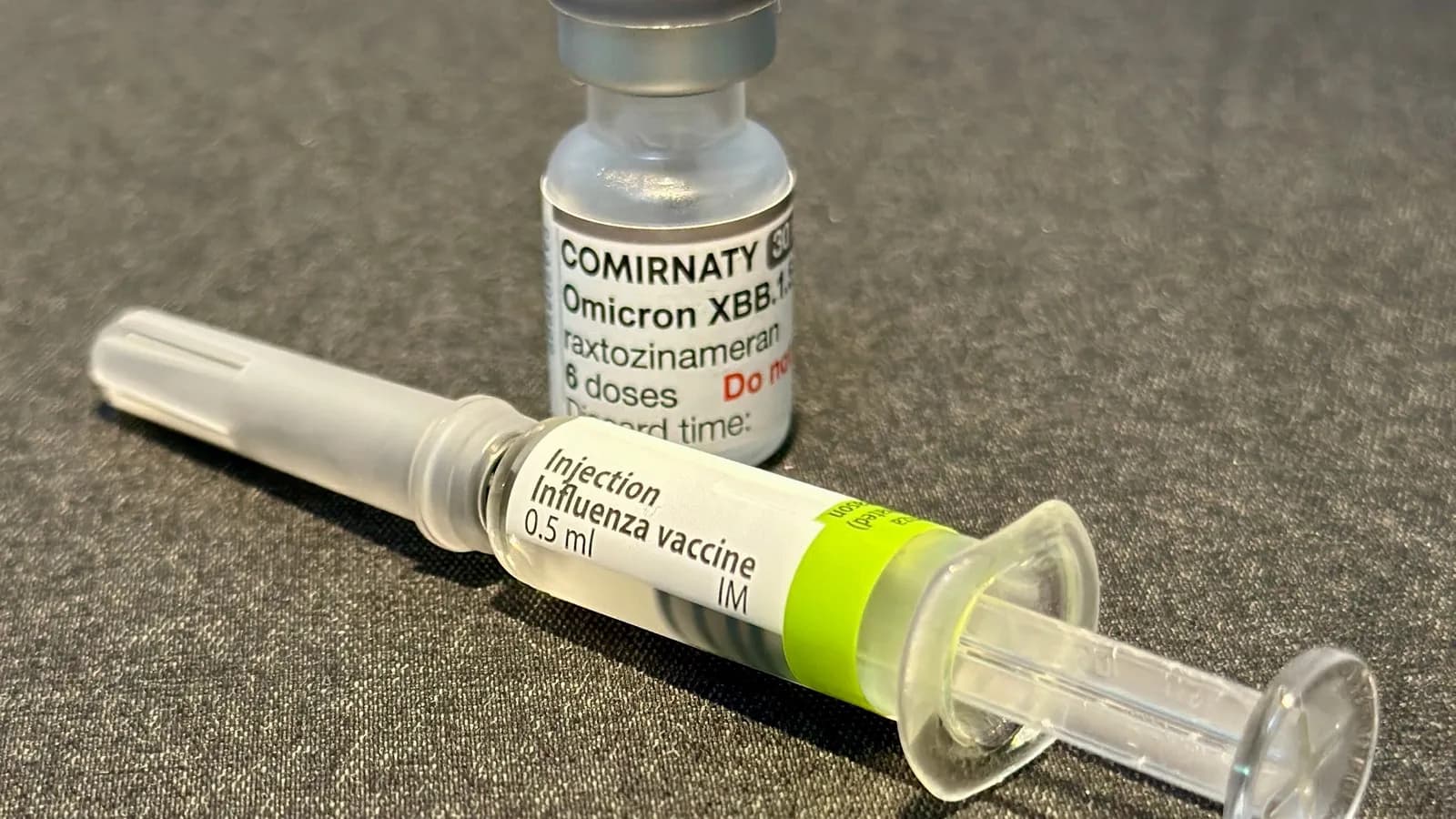
The Centers for Disease Control and Prevention's process for reviewing and recommending vaccines has effectively ground to a halt under Health Secretary Robert F. Kennedy Jr., leaving even a newly approved flu vaccine without the federal endorsement that has routinely followed drug approvals for decades. The Boston Globe's report on the standstill says the Food and Drug Administration approved mFlusiva, a new mRNA flu vaccine for adults aged 50 to 64, only for the CDC to post that it would maintain last year's flu vaccine guidance rather than address the new shot, citing unresolved legal uncertainties.
A vaccine advisory panel frozen by the courts
The gap traces back to Kennedy's decision to dismiss the sixty-year-old Advisory Committee on Immunization Practices and replace it with a new panel that included vaccine sceptics, a move the American Academy of Pediatrics and other medical groups challenged in court. A federal judge ruled in March that Kennedy had likely violated federal procedure, halting the reconstituted committee's work and suspending a separate decision by Kennedy to cut the number of vaccines routinely recommended for children, but the ruling left the underlying advisory process suspended rather than restored to its previous footing.
Doctors' groups stepping into the vacuum
With the committee unable to meet and the CDC unwilling to issue new guidance while the litigation continues, medical societies have begun recommending the new mRNA flu vaccine independently of any federal endorsement, an unusual arrangement that leaves doctors and patients relying on professional bodies rather than the government's own public health agency for a current assessment of a newly approved shot. That gap between FDA approval and CDC guidance, once essentially automatic, has become one of the clearest signs of how thoroughly the standoff between Kennedy and the medical establishment has disrupted the ordinary machinery of vaccine policy.
A system with no clear way to reset itself
Yale health policy researcher Jason Schwartz summed up the resulting paralysis: "We find ourselves at a point where even if credible evidence for a new vaccine policy has reached a tipping point, we don't have an obvious mechanism that can formalize that change." A separate wire account of the standstill confirms the same picture: with the courts having frozen Kennedy's panel rather than replaced it, and no functioning advisory committee able to meet in its place, the standoff leaves the country's vaccine guidance system without an obvious route back to normal operation, even as new vaccines continue to reach approval with no federal recommendation waiting to greet them.
Published in The Outspoken Digest
Editorial desk
Outspoken Digest Health DeskMedicine, public health and the research behind the headlines, read carefully.
Newsletter
The Digest, in your inbox
One edition, sent when it is ready. No noise, and your address is never passed on.
Read Next
More Health →
BMJ Analysis Warns Fast-Growing Private Testosterone Prescribing Could Land on the NHS
Oct 14, 2026/2 min read

Cochrane Review Finds Medical Cannabis Has No Clear Benefit for Insomnia, With Weak Evidence Either Way
Oct 13, 2026/2 min read

Lancet Commission Names 17 Threats to Global Health Through 2100, With Obesity the Largest by Burden
Oct 12, 2026/2 min read