Chicken Karaage: Japanese Fried Chicken With a Crust That Stays Crisp Until the Last Piece
Thigh meat marinated in soy, ginger and garlic, coated in potato starch and fried twice. The second fry is the whole secret: it drives out moisture and leaves a thin, shattering crust.
Monday, September 14, 2026/3 min read
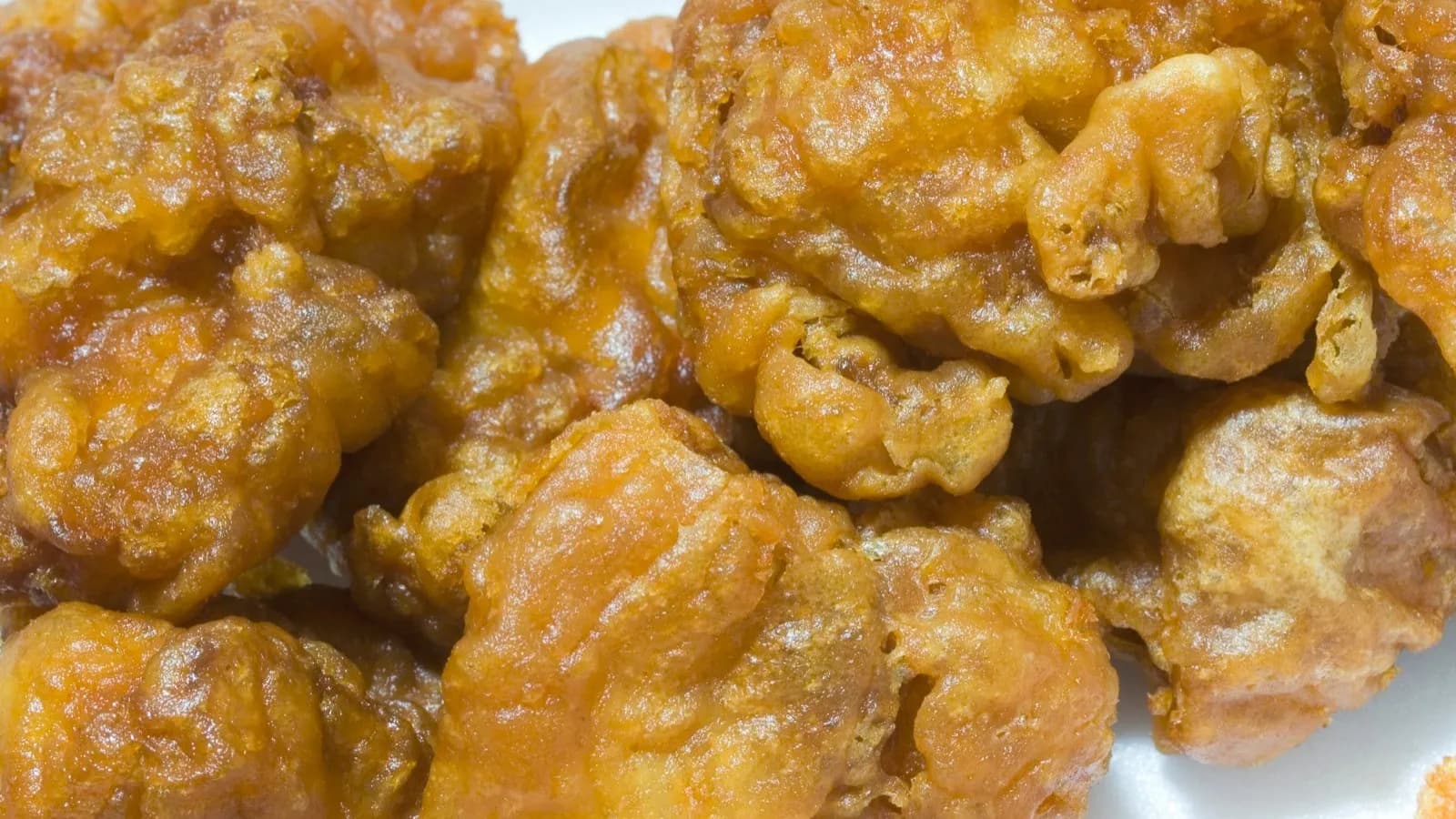
Karaage is what a Japanese kitchen does with chicken when it wants the crunch of fried chicken without the heavy coat. There is no batter and no buttermilk. The meat is marinated briefly in soy sauce, ginger and garlic, dusted with starch, and fried in two rounds at two temperatures. The result is a crust that is thin, glassy and slightly uneven, over meat that is still juicy at the centre. It is as likely to be found in a convenience-store bag as on an izakaya table, and it is one of the few fried dishes that is genuinely easy to get right at home once you know why the method is the way it is.
Ingredients
Serves four as a main with rice and shredded cabbage, or six as a snack.
- 600 g (1 lb 5 oz) boneless, skin-on chicken thighs, cut into pieces about 4 cm (1.5 in) across
- 2 tablespoons soy sauce
- 1 tablespoon sake, or dry sherry
- 1 teaspoon mirin, or a pinch of sugar
- 2 teaspoons finely grated fresh ginger
- 1 large clove garlic, finely grated
- 60 g (about 1/2 cup) potato starch, or cornflour (cornstarch)
- 1 tablespoon plain flour (all-purpose)
- About 750 ml (3 cups) neutral oil for frying, such as rapeseed or sunflower
- Lemon wedges and, if you like, Japanese mayonnaise to serve
Method
- Put the chicken in a bowl with the soy sauce, sake, mirin, ginger and garlic. Massage it in with your hands for a minute and leave for 30 minutes at room temperature, or up to 4 hours covered in the fridge. Longer than that and the meat turns salty and firm.
- Mix the potato starch and flour on a plate. Just before frying, lift each piece out of the marinade, let the excess drip off, and press it into the starch so it is coated lightly and evenly. Shake off the loose powder. Do not coat ahead of time; the starch goes pasty.
- Heat the oil in a deep, heavy pan to 170C (340F). Fry in two batches so the pan is never more than half covered. Cook each batch for 3 to 4 minutes, turning occasionally, until pale gold. Lift out onto a wire rack, not paper, and rest for 4 to 5 minutes.
- Raise the oil to 190C (375F). Return all the chicken and fry for a further 60 to 90 seconds until deep golden and crisp. Drain on the rack. The centre of the thickest piece should read at least 75C (165F) on a probe thermometer.
- Salt lightly if needed and serve straight away with lemon.
Why twice
The first fry cooks the meat gently while the starch sets. The rest lets heat carry on through to the middle and lets steam escape from the surface. The second, hotter fry then dries that surface out and browns it quickly, so the meat has no time to overcook. A single fry at 180C gives you a choice between a pale crust and dry meat. Thighs are used because they forgive; breast works if you cut it larger and shorten the first fry to 2 minutes, but it never quite matches.
Notes and safety
Cornflour gives a harder crust than potato starch, which is lighter and more brittle; both work. A thermometer for the oil is worth having, because oil that is too cool makes greasy chicken and oil that is too hot browns the outside before the inside is done. The Food Standards Agency's guidance on cooking your food covers safe core temperatures and why you should never wash raw chicken. Chill leftovers within two hours, keep them in the fridge for up to two days, and reheat on a rack in a 200C (400F) oven for 8 to 10 minutes until hot all the way through; the microwave will make them soft. The agency's page on chilling explains why the two hours matter. Cooked karaage freezes for a month, and a well-sealed batch can be reheated from frozen on the same rack at 190C (375F) for 15 minutes. For something to put beside it, a simple noodle dish or plain rice with pickles does the job.
Published in The Outspoken Digest
Editorial desk
Outspoken Digest Food DeskCooking, ingredients, restaurants and the economics of what ends up on the table.
Newsletter
The Digest, in your inbox
One edition, sent when it is ready. No noise, and your address is never passed on.
Read Next
More Recipes →
Cheesy Ramen on the Stove: Instant Noodles in a Real Cheese Sauce in Ten Minutes
Oct 18, 2026/3 min read
Beer-Battered Jalapeno Cheese Curds: The Wisconsin Bar Snack, Fried Properly at Home
Oct 18, 2026/3 min read
A Thanksgiving Turkey Sub With Hot Stuffing, Cranberry and Gravy to Dip
Oct 17, 2026/3 min read

Pecan Pie Bars With a Shortbread Base and a Caramel Filling That Slices Cleanly
Oct 17, 2026/3 min read