Chicken Tikka Masala: British-Indian Comfort Classic
The beloved fusion dish born in Glasgow kitchens. Tender marinated chicken in a creamy tomato-spiced sauce that became Britain's favorite curry.
Tuesday, November 14, 2023/3 min read
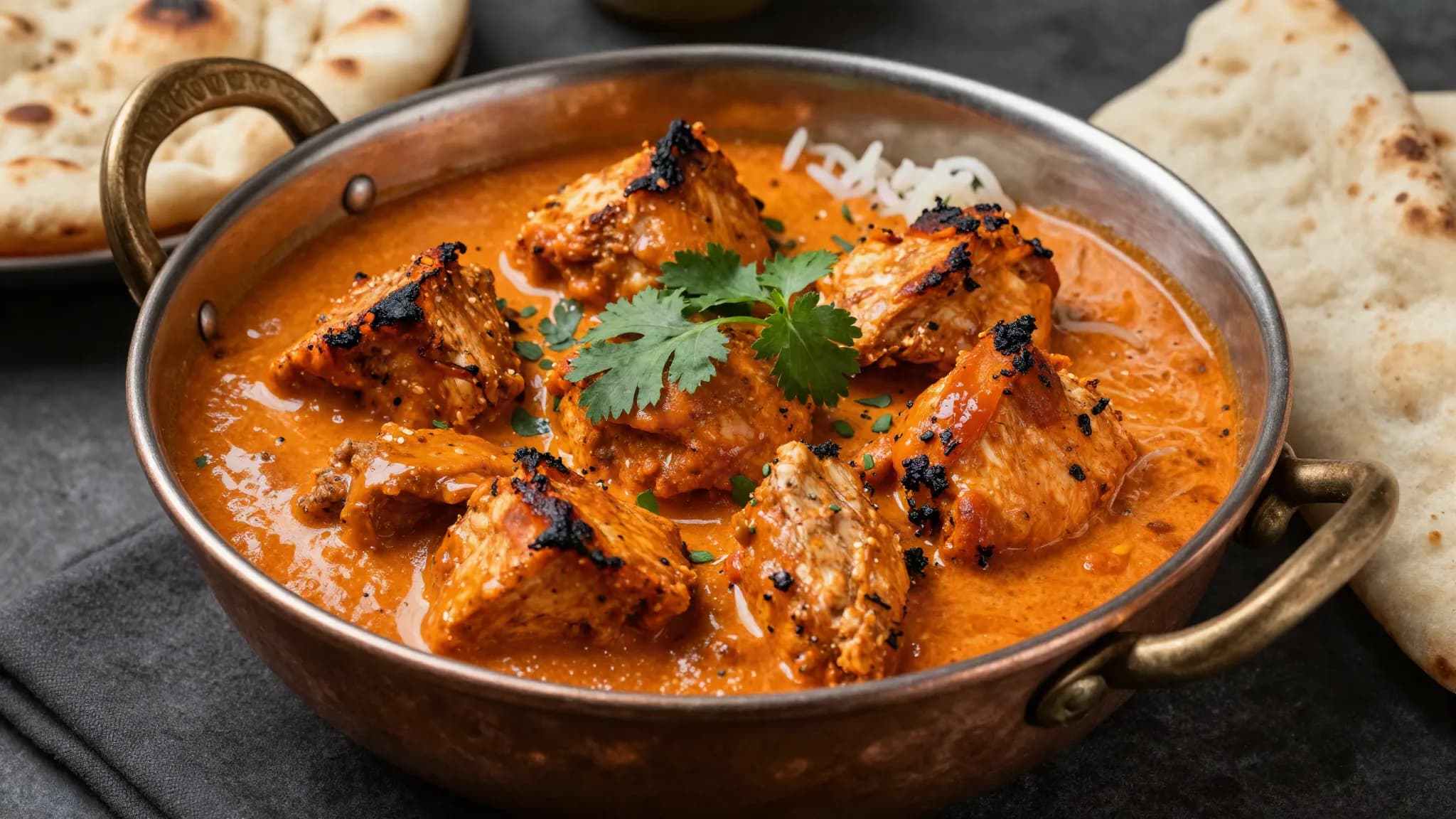
Chicken tikka masala is a love story written in a Glasgow restaurant kitchen. The dish is British, though it swims in spices borrowed from the Indian subcontinent, and its origin is less ancient ritual than practical improvisation. In the 1970s, according to the most enduring account, a restaurant customer returned his chicken tikka to the kitchen complaining it was too dry. The chef reached for what he had at hand: a simmering pot of creamy tomato soup. What emerged was not desperation but revelation, a dish that would become the United Kingdom's national curry.
Whether the invention happened exactly this way is debatable, but the cultural impact is not: British-Bangladeshi chefs in the 1960s developed several new British-Indian dishes that reflected both tradition and adaptation. Chicken tikka masala represents something honest about fusion cooking: it is neither authentically Indian nor authentically British, but rather a third thing entirely, belonging fully to both cuisines and perfectly to neither. It asks for yogurt and tomatoes, ginger and cream, restraint and richness in the same breath.
The dish has become so embedded in British life that it is often called the true national dish, served in curry houses from Manchester to Cornwall, at dinner tables and takeaway containers alike. What began as a problem solved in a moment of need became comfort food across a nation.
Ingredients
Serves 4-6. Total time: 2 hours (with marinating).
- 800 g boneless, skinless chicken breasts, cut into 2 cm cubes
- 240 ml plain yogurt
- 3 tablespoons ginger-garlic paste
- 2 teaspoons garam masala
- 1 teaspoon red chili powder
- 1 teaspoon turmeric powder
- Salt and pepper
- 3 tablespoons ghee or vegetable oil
- 1 large onion, finely diced
- 4 cloves garlic, minced
- 2 tablespoons fresh ginger, minced
- 400 g canned crushed tomatoes
- 240 ml heavy cream
- 2 teaspoons Kashmiri chili powder (for color and mild heat)
- 1 teaspoon cumin seeds
- Fresh cilantro, chopped
- Lemon juice to taste
Method
- In a bowl, combine 120 ml yogurt, 2 tablespoons ginger-garlic paste, 1 teaspoon garam masala, red chili powder, turmeric, and salt. Add the chicken cubes and stir to coat. Cover and refrigerate for at least 1 hour (up to overnight for deeper flavor).
- Heat 1 tablespoon ghee in a large skillet over medium-high heat. Working in batches to avoid crowding, add the marinated chicken and sear for 3-4 minutes on each side until golden (the chicken does not need to be cooked through). Transfer to a plate.
- Add the remaining ghee to the pan. Toast the cumin seeds for 30 seconds until fragrant. Add the diced onion and cook until softened and golden, about 5-6 minutes, stirring occasionally.
- Add the minced garlic and ginger to the pan. Cook for 1-2 minutes until fragrant, stirring constantly to avoid burning.
- Stir in the crushed tomatoes, Kashmiri chili powder, and remaining garam masala. Simmer for 8-10 minutes, stirring occasionally, allowing the tomato sauce to reduce and deepen in color.
- Pour in the cream and return the seared chicken to the pan along with any juices. Stir gently to combine. Reduce heat to medium-low and simmer for 10-12 minutes until the chicken is cooked through and the sauce has thickened slightly. The sauce should coat the back of a spoon.
- Taste and adjust seasoning with salt, pepper, and lemon juice. Add more cream if the sauce is too spicy, or more chili powder if you prefer more heat.
- Finish with fresh cilantro and serve over steamed basmati rice or with warm naan bread.
Variations and Storage
Some cooks add a spoonful of kasuri methi (dried fenugreek leaves) or a pinch of sugar to balance the acidity of the tomatoes. Vegetarian versions work beautifully with paneer or chickpeas instead of chicken. The curry keeps refrigerated for up to 4 days and freezes well for up to 3 months, making it ideal for meal prep. Reheat gently on the stovetop, adding a splash of cream or water if needed.
Chicken tikka masala endures because it meets a need that transcends borders: the need for warmth, for spice, for sauce to soak into bread. It is comfort wearing the colors of adventure, and there is no shame in that.
Published in The Outspoken Digest
Editorial desk
Outspoken Digest Food DeskCooking, ingredients, restaurants and the economics of what ends up on the table.
Newsletter
The Digest, in your inbox
One edition, sent when it is ready. No noise, and your address is never passed on.
Read Next
More Recipes →
Swangy Tamarind Glazed Chicken Wings for the Flavour Replacing Swicy on Fast Food Menus
Sep 29, 2026/3 min read

Baked Apple Cider Doughnuts for a Cider Season That Peaked Earlier Than the Calendar Says
Sep 29, 2026/3 min read
An Obatzda Bavarian Beer Cheese Dip for the Final Stretch of Oktoberfest 2026
Sep 29, 2026/3 min read