Cochrane Review Finds Medical Cannabis Has No Clear Benefit for Insomnia, With Weak Evidence Either Way
Pooling nine small trials of 537 adults, reviewers found little to no meaningful gain in sleep from regulated cannabis products, more mild side effects, and evidence too weak to guide treatment.
Tuesday, October 13, 2026/2 min read
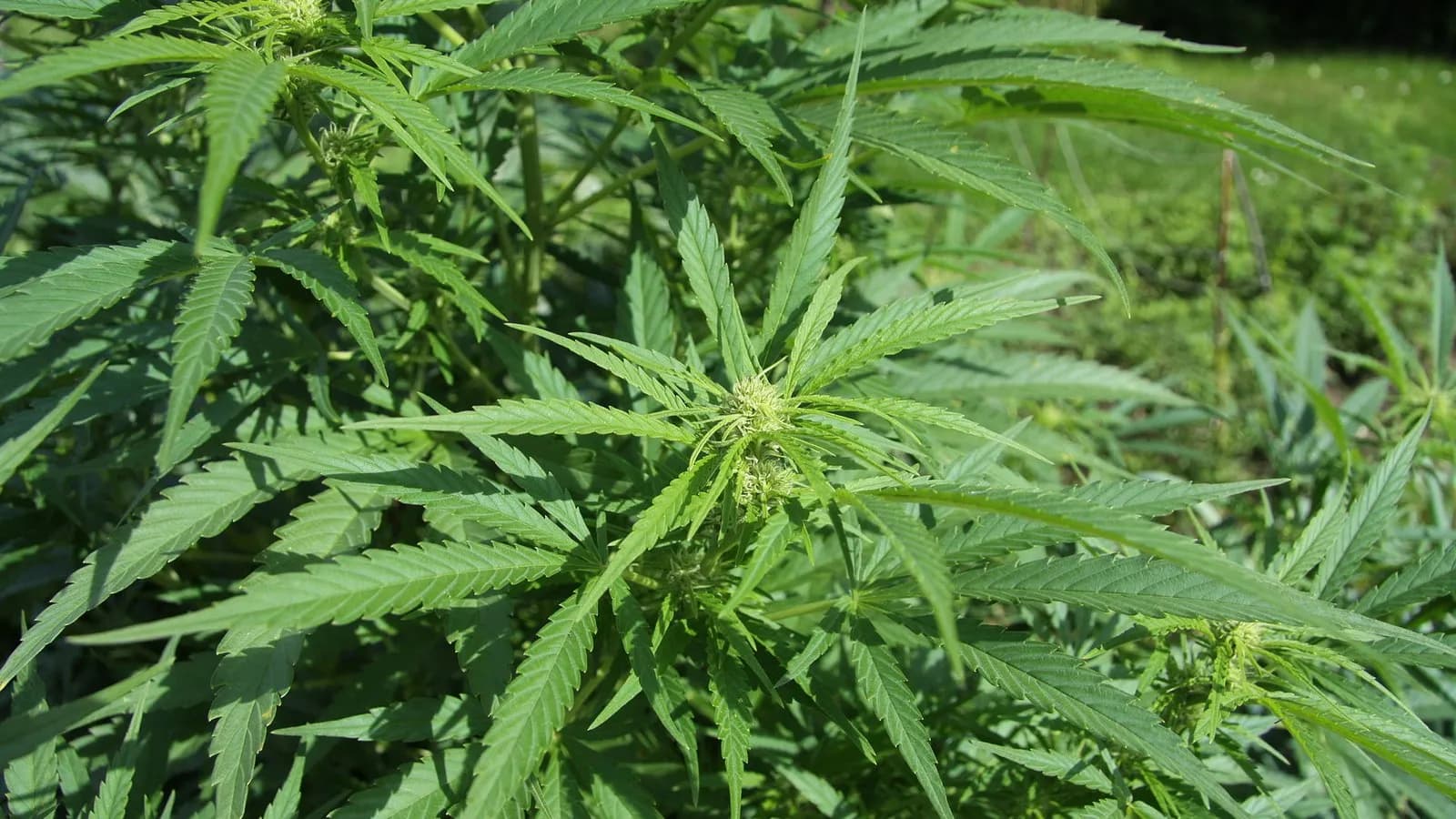
Plenty of people reach for cannabis when sleep will not come. A new Cochrane review, published this week, asks whether regulated medical cannabis actually works for insomnia, and the careful answer is that nobody can say yet. The authors concluded that the evidence is too weak and too uncertain to recommend it, according to a summary from News-Medical.
The review, "Medical cannabis for the treatment of insomnia" in the Cochrane Database of Systematic Reviews (DOI 10.1002/14651858.CD016216.pub2), was led by Dr Lucia Varela of the University of Manitoba and Dr Luis Garegnani of the Universidad Hospital Italiano de Buenos Aires.
What did the review look at?
Reviewers pooled 9 studies with 537 adults aged 18 to 76, most with primary insomnia. Eight trials compared regulated medical cannabis with a placebo, and one compared it with the antidepressant amitriptyline. An earlier conference abstract of the same work, presented at the American Academy of Neurology meeting, described the evidence as very low certainty with most studies at high risk of bias.
What did it find?
Compared with placebo, cannabis produced little to no clinically meaningful improvement in sleep quality and satisfaction, total sleep time or daytime functioning. Participants were substantially more likely to report mild side effects such as dry mouth and dizziness, though that rests on a small pool of studies.
There was a slight improvement in quality of life, but the certainty is very low and the pooled results ranged from a slight worsening to a large improvement. Certainty across the review was rated very low to low because of risk of bias, inconsistent results between trials and small sample sizes.
Why is the evidence so thin?
The products in the trials varied widely, which makes comparison hard. The longest study ran only 12 weeks, so nothing is known about long-term use. About 73 percent of participants were women and they skewed younger, so the results may not apply well to men, older adults or people with other conditions.
Varela said the research was not sufficient to reliably answer whether medical cannabis helps people with insomnia. The reviewers did not conclude that cannabis is useless for sleep. That is different from saying it does not work: it means trials good enough to tell are still missing. Garegnani said the evidence is too weak and uncertain to draw firm conclusions.
What should readers take from it?
This article is reporting, not medical advice. Anyone struggling with persistent sleep problems, or considering cannabis or any other sleep aid, should talk to a clinician who knows their history, particularly if they take other medicines, drive for work, or have a history of anxiety or substance use. The authors call for higher-quality, longer trials before cannabis can be recommended for insomnia, which is the evidence that would change the picture.
Published in The Outspoken Digest
Editorial desk
Outspoken Digest Health DeskMedicine, public health and the research behind the headlines, read carefully.
Newsletter
The Digest, in your inbox
One edition, sent when it is ready. No noise, and your address is never passed on.
Read Next
More Health →
Lancet Commission Names 17 Threats to Global Health Through 2100, With Obesity the Largest by Burden
Oct 12, 2026/2 min read

FDA Approves Pritelivir for Herpes Lesions That Resist Standard Antivirals in Immunocompromised Adults
Oct 10, 2026/2 min read

Two Days After the Nobel for Optogenetics, a Small NEJM Trial Shows It Helped Some Blind Patients Detect Objects
Oct 9, 2026/3 min read