Cold Water Diving: Where the Wetsuit Stops Working, What a Drysuit Changes, and Why the Hands Go First
Below about 15 degrees a thick wetsuit keeps a diver alive but not warm, and cold is a safety problem before it is a comfort one: it thickens judgment, wastes gas and makes the hands useless. The drysuit is a different way of diving, not a thicker suit.
Tuesday, February 4, 2025/3 min read
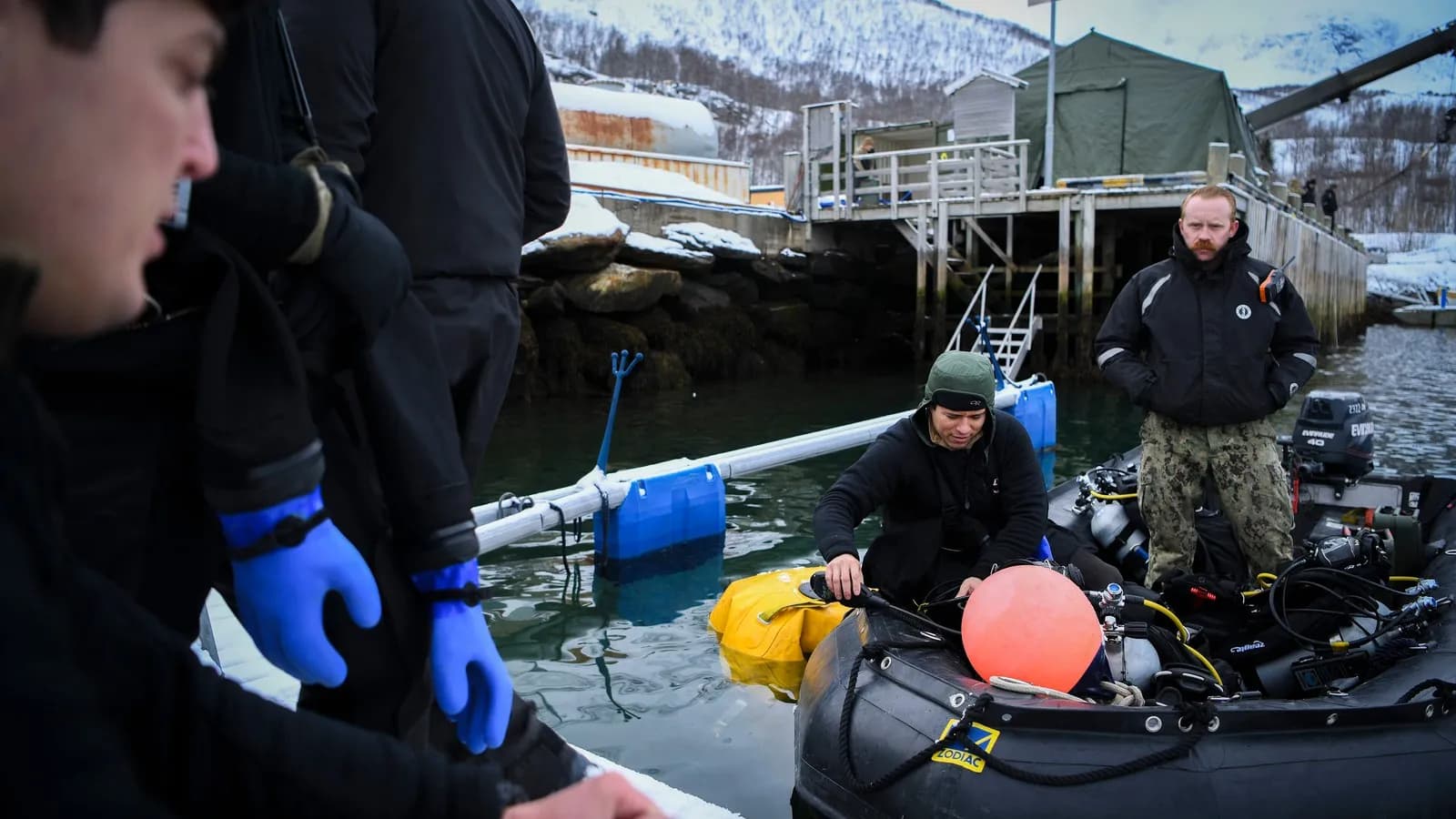
Water conducts heat away from the body about 25 times faster than air, which is why a diver in 20-degree water, a temperature nobody would call cold on land, is losing heat from the first minute. Down to about 18 degrees a 5 mm wetsuit manages. Between 18 and about 14, a 7 mm suit with a hood and gloves keeps a diver functional for a dive or two a day and cold on the boat between them. Below 14, which is most of the North Atlantic, the Baltic, the Mediterranean in winter, the deep water in many lakes and every quarry in Britain, a wetsuit is a survival garment rather than a comfort one, and the diving community that lives in that water long ago moved to drysuits. BSAC's safety guidance treats cold as a hazard in its own right, and the reasons are worth understanding before choosing a suit.
What cold does to a diver
The first effect is on the hands. Fingers lose dexterity at skin temperatures well above anything dangerous, and a diver who cannot operate an inflator, unclip a reel or feel a mask strap is a diver whose emergency drills have quietly stopped working. The second is on gas consumption: a cold diver shivers, and shivering burns air. The third is on the brain. Mild hypothermia impairs judgment and slows decision-making before the diver notices it, and cold is a known contributor to decompression sickness because it changes how tissues load and release inert gas; being warm on descent and cold on ascent is the worst combination, and Divers Alert Network's medical resources discuss why. The fourth is the long tail: a diver who is chilled at the end of the first dive starts the second already behind, and the second is where the incidents happen.
Why wetsuits stop working
A wetsuit insulates with the gas bubbles in its neoprene, and those bubbles compress with depth; a 7 mm suit at 30 metres is insulating like a 3 mm suit at the surface. It also relies on a layer of water warmed by the body, which every movement of the zip or the cuffs exchanges for cold water. The result is that a wetsuit's warmth falls exactly when the water is coldest, at depth, and there is no way to add insulation once in the water.
What a drysuit changes
A drysuit keeps water out entirely, with seals at the neck and wrists and a waterproof zip, and the diver wears insulating undergarments beneath it, as many or as few as the water demands. The air inside the suit is the insulation, and because the diver adds air through an inflator on descent and vents it on ascent, that insulation does not compress away. The consequences are large. The suit is a buoyancy device, which means learning to manage two air spaces and, at first, the alarming experience of air migrating to the feet. Weighting increases, typically by several kilos. Seals need care and fail at the worst moments. A flooded drysuit in cold water is a serious emergency in a way a wetsuit cannot be. All of this is why agencies run a drysuit course rather than a briefing, and why the first ten drysuit dives should be shallow and boring.
The hands, again
Wet gloves of 5 mm are the compromise most divers accept down to about 10 degrees; below that, dry gloves sealed to the suit's cuff rings, with thin liners inside, are the difference between a diver who can do things and one who cannot. They are fiddly to fit and worth it. A hood of 7 mm or more, since the head loses heat fast, and a neck seal that is snug but not strangling complete the set. Heated undergarments with a battery on the belt have become common on longer technical dives and are luxury rather than necessity on recreational ones.
Before and after
Arrive warm; a diver who was cold on the boat ride out has spent their reserve before getting in. Eat. Between dives get out of the wind, into dry layers and a hat, and drink something warm; standing in a wet wetsuit on a February deck undoes an hour of surface interval. And know the signs in a buddy: slowed responses, fumbling, an unusual quietness. Our anatomy of a dive accident shows how often cold is the first link in the chain. The water in the north is worth diving, and the wrecks and the visibility in winter are the argument. The drysuit is the price of admission.
Published in The Outspoken Digest
Newsletter
The Digest, in your inbox
One edition, sent when it is ready. No noise, and your address is never passed on.
Read Next
More Diving →
Playing Recordings of a Healthy Reef Drew More Coral and Fish Larvae to Artificial Structures Off Hawaii
Oct 9, 2026/3 min read

Blacktip Sharks Can Hear a Sound From Nearly 250 Feet Away and Swim Straight Toward or Away From It
Oct 1, 2026/2 min read
A Sea Turtle Species Never Recorded Nesting in the United States Laid Eggs on a Southern California Beach
Oct 1, 2026/2 min read

Marine Surveyors Confirmed Living Coral Off Benin, More Than Sixty Years After the Reef Was Presumed Dead
Sep 29, 2026/2 min read