Congo's Ebola Outbreak Passes 8,000 Confirmed Cases as Health Worker Shortages Worsen
The Bundibugyo outbreak has now been confirmed in 8,067 people and has killed 3,901, with the virus reaching two more regions of the north and no approved vaccine or treatment to stop it.
Monday, September 28, 2026/2 min read
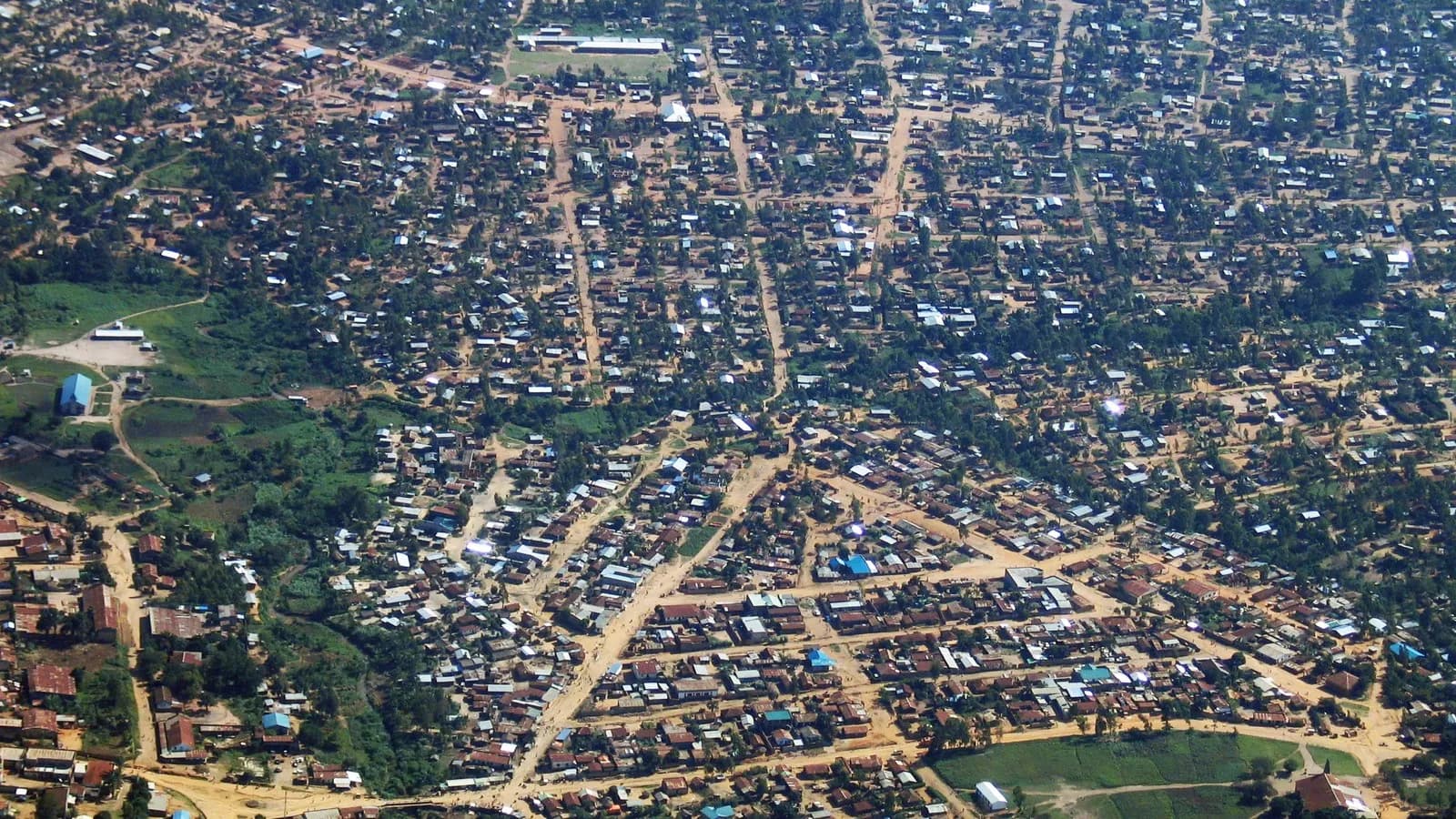
Confirmed Ebola cases in the Democratic Republic of Congo have passed 8,000 for the first time. Data from the health ministry, reported by NBC News, show 8,067 confirmed cases and 3,901 deaths as of 26 September, a fatality rate above 48 percent, spread across 63 health zones in seven of the country's 26 provinces.
A virus with no approved answer
The outbreak, announced on 15 May, is caused by the Bundibugyo strain of the virus, for which there is no approved vaccine and no approved treatment. That separates it from the better-known Zaire strain, against which the Ervebo vaccine works. According to the Jamaica Observer's report, Ervebo is being tested in clinical trials with frontline health staff, 70,000 doses were allocated to Congo from the global stockpile in August, and several experimental treatments are being tried against Bundibugyo. It is the country's 17th Ebola outbreak.
The World Health Organization confirmed that the virus has spread to two additional regions in the north. The outbreak began in the north-eastern province of Ituri, and the highest concentrations of cases remain in Ituri, North Kivu and Upper-Uele. WHO director-general Tedros Adhanom Ghebreyesus has pointed to a basic problem: with no vaccine or treatment on offer, people have little incentive to come forward for care, even though trials of both are advancing.
The people fighting it are running out
The sharpest warning in the latest figures concerns staffing. NBC reports that Congo is running out of health workers, that at least 50 have died since the outbreak was announced, that many report late or missing pay, and that pay disputes have triggered several strikes. The WHO noted a "continuously high crude case fatality ratio" and "persistent challenges in timely case detection and access to early and adequate patient care". Insecurity, displacement and heavy population movement make tracing harder still. The Jamaica Observer adds that armed groups are hampering the humanitarian response in parts of the east and that community mistrust has led to violence against aid workers.
Faster than West Africa
The comparison that public health officials keep returning to is the 2014 to 2016 West African epidemic, which killed about 11,000 people. NBC cites figures showing that by the nineteenth week this outbreak had recorded 7,840 cases against 3,781 in West Africa at the same point. The Africa CDC says the current outbreak has outpaced the West African one in spread over the same period, and the WHO says it is on track to surpass it.
The Jamaica Observer reports that case numbers have levelled off after its rapid early rise, but the Africa CDC's assessment is that the outbreak is still "not under control". The United States has announced a further $267 million in funding, according to the same report. Money alone will not solve the shortage that matters most. Until frontline staff are paid and protected, and until a vaccine or treatment is proven against this strain, the number to watch is not only the total but how many people reach a clinic early enough to be helped.
Published in The Outspoken Digest
Editorial desk
Outspoken Digest Health DeskMedicine, public health and the research behind the headlines, read carefully.
Newsletter
The Digest, in your inbox
One edition, sent when it is ready. No noise, and your address is never passed on.
Read Next
More Health →
FDA Approves Hibsago, the First Antisense Drug for Chronic Hepatitis B, With a Boxed Warning
Oct 22, 2026/2 min read

A Night-Owl Subtype of Depression Appears to Start Earlier, Hit Harder and Respond Worse to Common Antidepressants
Oct 21, 2026/2 min read

CDC and FDA Link Salmonella Illnesses in 12 States to Raw Oysters From Virginia's Little Wicomico River
Oct 20, 2026/2 min read

FDA Approves Dostarlimab for dMMR Rectal Cancer, an Option That May Spare Some Patients Surgery
Oct 19, 2026/2 min read