Coolcations Are Becoming Climate Adaptation for Travelers
Travelers are shifting destinations and seasons to avoid extreme heat, turning the coolcation from a catchy label into a planning strategy.
Friday, July 31, 2026/2 min read
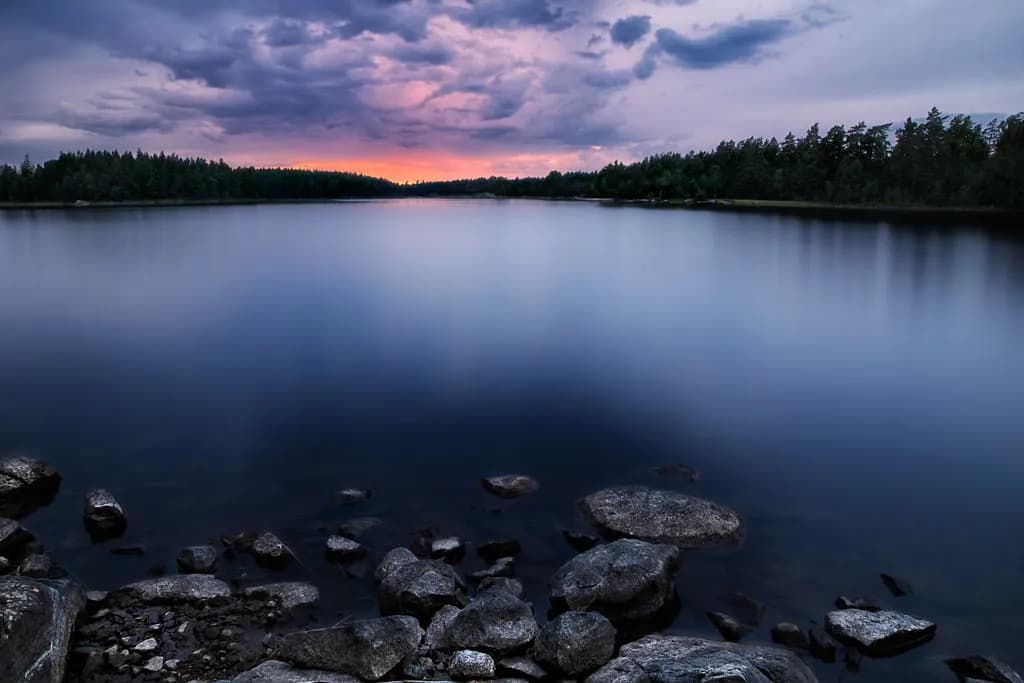
The classic summer holiday promised heat. The new luxury may be a day comfortable enough to walk outside. Travelers are increasingly choosing northern coasts, lakes, mountains and shoulder seasons to reduce exposure to extreme temperatures, wildfire smoke and crowded destinations.
The OECD's Tourism Trends and Policies 2026 treats extreme weather as an operational challenge for the sector. Heatwaves, fires, floods and storms are altering demand, damaging assets and shifting travel across regions and seasons. Coolcation campaigns are one visible response.
Comfort is changing the map
A cooler trip does not necessarily mean an arctic expedition. It can mean choosing a coastal town over an inland city, a forest cabin over an exposed resort or September instead of August. Travelers are optimizing for sleep, walking and reliable activities rather than the highest forecast temperature.
Destinations such as Sweden are actively responding. Visit Sweden's 2026 coolcation release reports rising interest from UK travelers seeking temperate summers and highlights lakes, forests and long daylight hours.
This is more than a social-media trend
Extreme heat affects health, transport, outdoor work and the opening hours of attractions. Wildfire risk can close roads and degrade air quality far from the flames. A traveler who changes timing or destination is responding to a practical risk calculation.
Tourism businesses must do the same. Hotels need cooling, shade, water planning and clear emergency communication. Tour operators should adapt schedules and cancellation policies. Cities need heat-safe public spaces for residents first, because visitor resilience cannot be built on an unsafe local environment.
Cool destinations face their own pressure
A sudden influx can strain small communities, trails, water systems and housing. The answer is not to market every cool place without limit. Destinations should spread visitors geographically, protect sensitive areas and invest revenue in infrastructure that benefits permanent residents.
Travelers also need to remember that northern weather is variable. Cooler does not mean risk-free. Rain, rapidly changing mountain conditions and cold water require appropriate clothing and planning.
How to plan a climate-aware trip
- Check historical conditions and current advisories, not just a promotional average.
- Choose flexible bookings when heat, smoke or storms could disrupt travel.
- Plan indoor alternatives and avoid the hottest hours even in moderate destinations.
- Consider shoulder seasons that reduce both climate exposure and crowding.
- Respect local water, fire and trail restrictions.
The calendar is becoming as important as the destination
Climate change will not end Mediterranean tourism or make every traveler head north. It will make timing, shade, altitude, coastlines and emergency readiness more important in the decision. Destinations that communicate conditions honestly may earn more trust than those promising permanent perfection.
The coolcation succeeds as a concept because it names a simple desire: to enjoy the place rather than endure its weather. As extreme conditions become more common, that preference is likely to reshape school-holiday habits, marketing and investment. The future of summer travel may be less about chasing heat and more about choosing a climate in which a full day still feels possible.
Published in The Outspoken Digest
Editorial desk
Outspoken Digest Travel DeskDestinations, airlines, borders and the practicalities of getting there.
Newsletter
The Digest, in your inbox
One edition, sent when it is ready. No noise, and your address is never passed on.
Read Next
More Travel →
Norte Fire Put 16,000 Under Evacuation Orders in San Clemente, and They Are Now Lifted: What Travelers Should Know
Oct 18, 2026/2 min read
Tropical Storm Trudy Is Forecast to Become a Major Hurricane as It Nears Mexico's Pacific Coast
Oct 15, 2026/2 min read

Portugal Picks Lufthansa Over Air France-KLM for a 44.9 Percent Stake in TAP Air Portugal
Oct 14, 2026/2 min read