Digital Nomad Visas in 2026: Where the Map Moved
Bulgaria, Slovenia, Moldova and Sri Lanka all opened remote work routes recently. Here is where the digital nomad visa map actually shifted.
Friday, March 27, 2026/3 min read
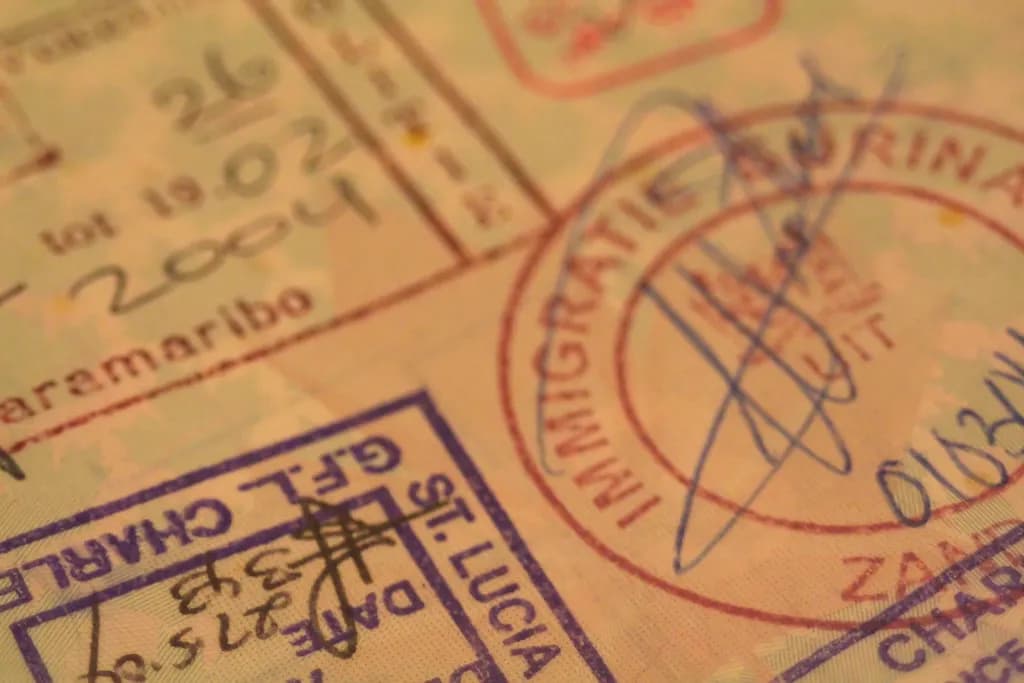
The digital nomad visa stopped being a novelty years ago. What changed heading into 2026 is where the newest routes opened, and it was not where most remote workers were looking. While Lisbon and Bali stayed crowded with the same nomad crowd they always attract, a handful of smaller countries quietly built programs designed to pull that crowd somewhere cheaper and less saturated.
More than fifty countries now run some version of a remote work visa, according to tracking by Mappr, which means the interesting question in 2026 is no longer whether a program exists, but which new entrants are actually worth choosing over the established options.
Which countries opened new programs in late 2025 and early 2026
Southeastern Europe saw the most movement. Bulgaria opened a digital nomad route at the end of 2025, and Slovenia launched its own permit around the same time, giving remote workers two new low-cost-of-living entry points into the Schengen area's edges without competing for the same Portugal or Spain visa appointment backlogs. Moldova, outside the EU but geographically adjacent, started its program in late 2025 with an income requirement around $3,100 a month, according to reporting from Relocate.me.
What is Sri Lanka's new visa and who qualifies
The most notable Asia-Pacific entrant is Sri Lanka, which opened its Digital Nomad Visa in February 2026 through its Department of Immigration and Emigration. The one-year visa sets an income requirement of roughly $2,000 a month, positioning the country as a mid-cost alternative to Thailand and Bali for remote workers who want a full year of legal residency rather than repeated tourist-visa runs. Nepal has separately announced its own program for 2026, though details remain thinner than Sri Lanka's finalized rules.
How does Thailand's Destination Thailand Visa actually work
Thailand remains one of the more flexible options on the board. Its Destination Thailand Visa is valid for five years and permits stays of 180 days at a time, with the option of a one-time 180-day extension, according to details compiled by Citizen Remote. That structure makes it attractive to remote workers who do not want to reapply annually the way most European nomad visas require.
Where does the Gulf fit into the nomad visa map
The UAE continues to lead the Middle East on this front, with one-year remote work visas available in both Dubai and Abu Dhabi and no personal income tax, a combination that has made the emirates a durable draw for higher-earning remote professionals rather than budget-focused nomads. Across Africa, Mauritius, Seychelles, Cabo Verde, Namibia, South Africa and Kenya all run active programs aimed at the same audience, with varying income thresholds and stay lengths.
Which country has the lowest bar to entry
Georgia remains the outlier for accessibility. It asks for no minimum income at all and allows a full tax-free year on foreign-earned income, a combination no other country on the current map matches, according to Forbes' March 2026 rundown of the field. It is a reasonable starting point for anyone testing the nomad lifestyle without committing to a program's income documentation requirements.
The overall trend line for 2026 points toward more competition, not less, as countries chase the tax revenue and local spending that come with long-staying remote workers rather than short-staying tourists. Expect more entrants through the rest of the year, particularly across Southeast Asia and the Balkans, as governments watch which programs actually convert applications into residents.
Published in The Outspoken Digest
Editorial desk
Outspoken Digest Travel DeskDestinations, airlines, borders and the practicalities of getting there.
Newsletter
The Digest, in your inbox
One edition, sent when it is ready. No noise, and your address is never passed on.
Read Next
More Travel →
Hurricane Isaias Closes Gulf Coast Airports and Clears Alabama's Beaches as Airlines Waive Change Fees
Oct 8, 2026/3 min read

Oktoberfest 2026 Ended With a Record 7.4 Million Visitors, Beating the Previous High by 200,000
Oct 4, 2026/2 min read
Hawaii's 90-Foot Hōlei Sea Arch, About 550 Years Old, Collapsed Into the Pacific During Storm Nolo
Oct 3, 2026/2 min read