Drone Strike on Iraq's Khor Mor Gas Field Plunges Most of Kurdistan Into Darkness as No One Claims It
A fire at the LPG tank shut the field overnight and took out up to 2,800 megawatts of generation, leaving hospitals on hydropower while Baghdad opens an inquiry. Nobody has claimed it.
Monday, November 9, 2026/2 min read
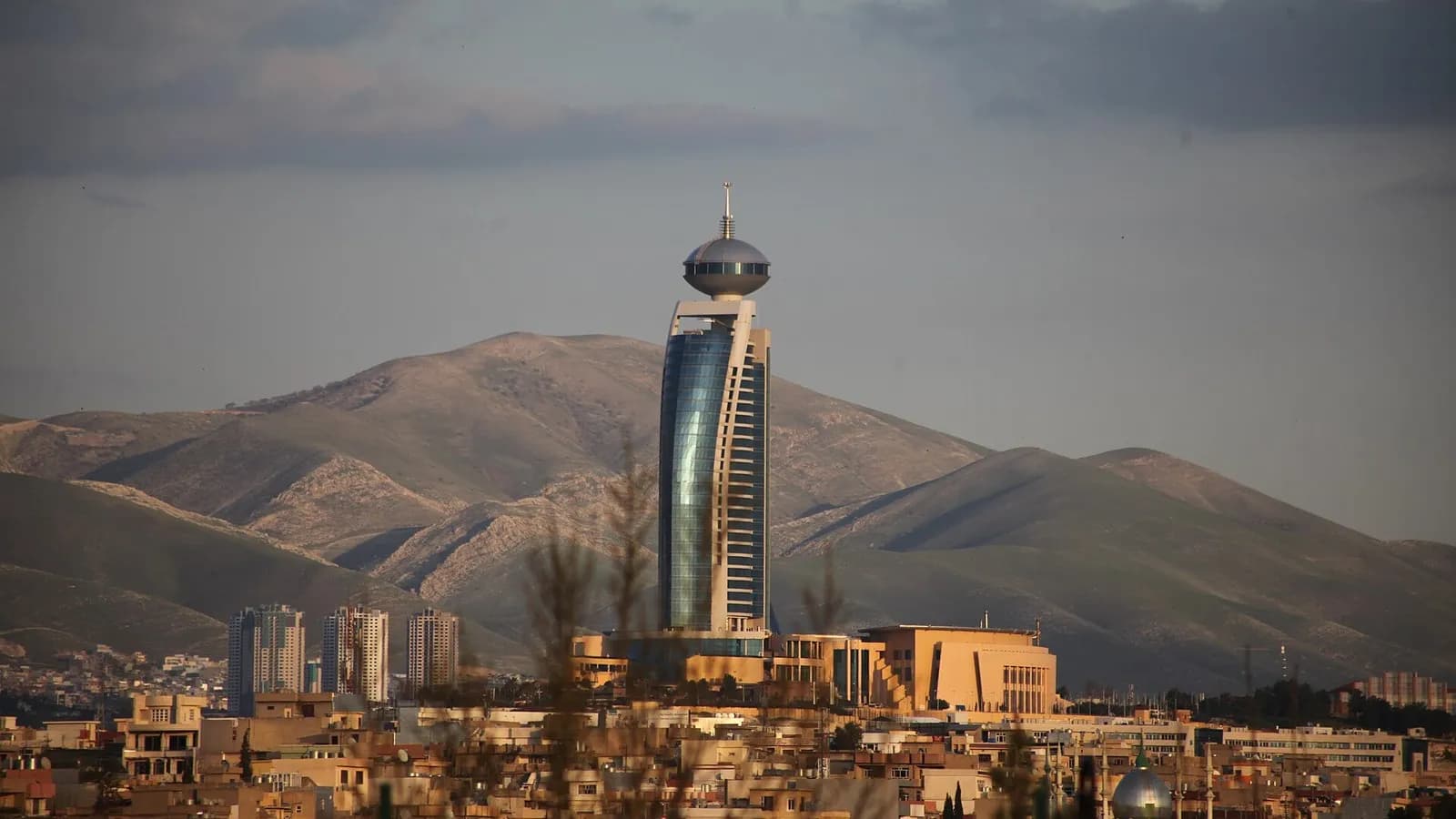
The lights went out across much of Iraqi Kurdistan on Sunday night after a drone struck the Khor Mor gas field, the facility that feeds the region's power stations. By Monday morning more than 70 percent of the region was without electricity, Al Jazeera reported, and nobody had said who launched the drone.
Iraqi Prime Minister Ali al-Zaidi said an initial assessment found no casualties. Employees at the site were moved into shelters inside the facility while the fire burned.
What happened at the Khor Mor gas field?
Two sources at the Kurdistan electricity ministry told The New Arab that a single drone hit an LPG storage tank, starting a fire that was still burning and halting production. Khor Mor, in Sulaimaniyah governorate, is jointly operated by Dana Gas. Al Jazeera's verification unit, Sanad, confirmed footage of smoke and flames near the field.
A joint statement from the region's natural resources and electricity ministries called it a terrorist attack. The prime minister ordered a joint investigative committee with the Kurdish authorities to establish what happened.
How much power has Kurdistan lost?
Omid Ahmed, spokesperson for the Kurdistan Regional Government's electricity ministry, said the strike removed between 2,500 and 2,800 megawatts of generation from the grid and suspended the gas supply to power plants in Erbil, Sulaimaniyah, Bazian, Chamchamal and Duhok. Security sources put the cut to grid capacity at 70 to 80 percent. InvestingLive described it as about two thirds of the region's supply.
The ministry said it is using hydroelectric stations, including those at the Dokan and Darbandikhan dams, and plants that can run on other fuels to keep hospitals, water treatment plants and other critical sites supplied. For households, a November blackout means cold nights, and for the region's businesses a sudden loss of the power they rely on.
Who is behind the Khor Mor attack?
That is not known. No group has claimed responsibility, and Al Jazeera said it was unclear whether the strike was connected to the war between the United States and Israel on one side and Iran on the other. Some market commentary described it as a suspected Iranian drone strike, but that attribution rests on early reports, and neither Tehran nor any militia has acknowledged it. The field has been hit before: Al Jazeera notes a drone strike hit the same facility last year with no group claiming it, and The New Arab says Dana Gas shut its main production facilities in July 2026 after credible security threats, then restarted later that month.
Oil traders were already watching the Gulf, with Brent near $98 in Asian trading on Monday. What happens to Khor Mor next depends on the investigation, on how fast the damaged tank can be isolated and repaired, and on whether the diplomacy in Doha and Washington can hold the region's drones on the ground. At the time of writing, no restart date had been announced.
Published in The Outspoken Digest
Editorial desk
Outspoken Digest News DeskReports for The Outspoken Digest across Latest Trends, Sports, Nutrition, Crypto.
Newsletter
The Digest, in your inbox
One edition, sent when it is ready. No noise, and your address is never passed on.
Read Next
More Latest Trends →
Congress Returns With Hegseth Impeachment Vote Expected, Leadership Fights and a December Funding Deadline
Nov 9, 2026/2 min read

Delhi's Air Is 'Very Poor' on Diwali Night at 371, With 20 Stations Severe as Fireworks Pick Up
Nov 8, 2026/2 min read

New Zealand's Knife-Edge Election Leaves Luxon With 67 Seats, 400,000 Special Votes Uncounted and a Kingmaker
Nov 8, 2026/2 min read
Magnitude 5.7 Earthquake Shakes Central Japan, Shattering Shop Windows and Injuring at Least 22
Nov 8, 2026/2 min read