Huawei Convicted on 10 of 12 Counts in Brooklyn but Cleared of Racketeering, and Vows to Appeal
After about 12 weeks of trial and five days of deliberation, a jury found the Chinese telecoms giant and three subsidiaries guilty of fraud, sanctions and trade-secret charges.
Wednesday, November 25, 2026/2 min read
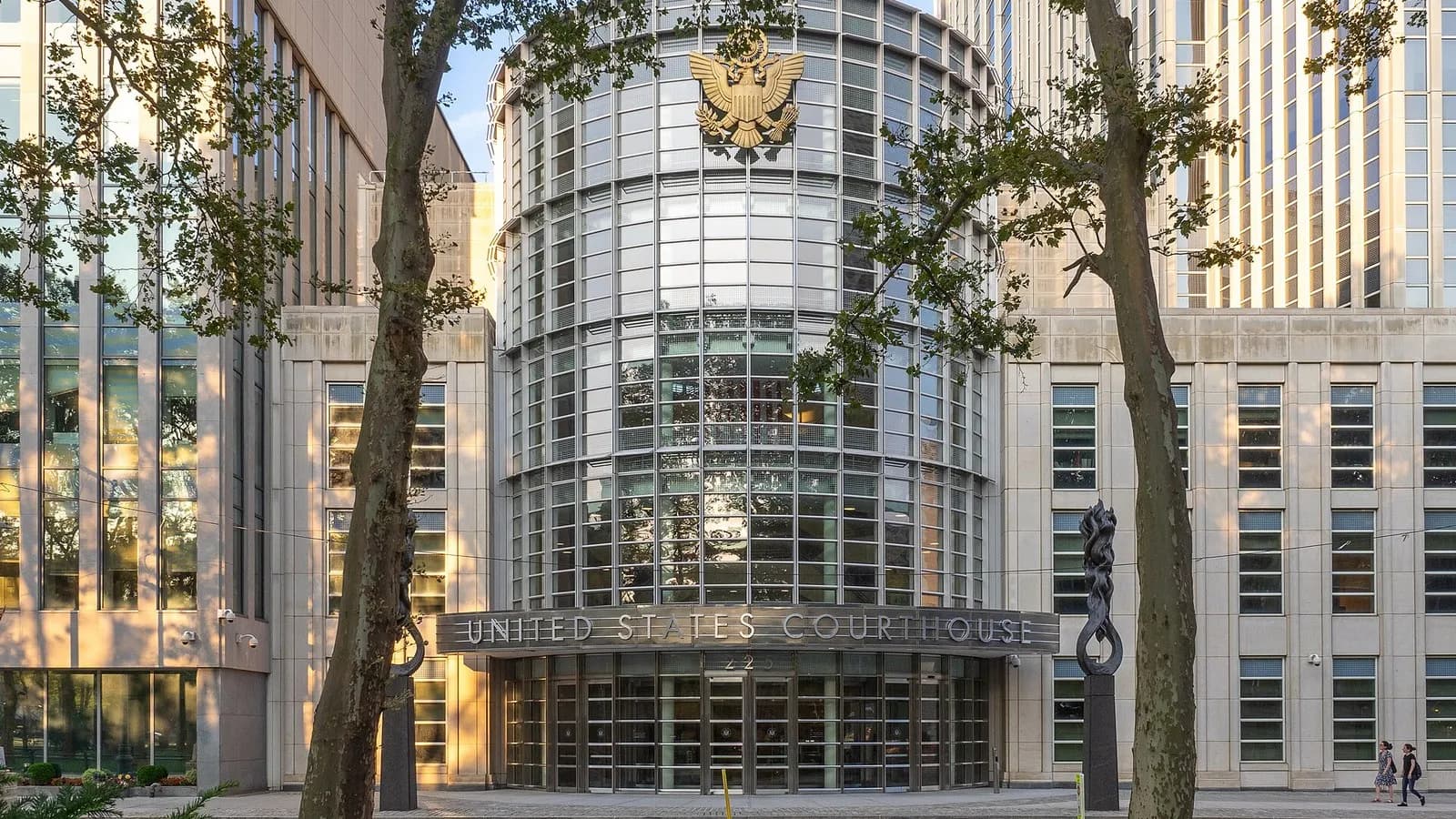
A long American criminal case against one of China's biggest technology companies ended in a split decision. A federal jury in Brooklyn on Tuesday convicted Huawei and three of its subsidiaries on 10 of 12 counts, but acquitted the company of the racketeering conspiracy at the heart of the government's original theory, according to Time. Jurors also cleared it of conspiring to obstruct a federal grand jury investigation.
Huawei said on Wednesday it will appeal. It welcomed the racketeering acquittal and called the remaining charges "without legal or factual merit," Hurriyet Daily News reported.
What was Huawei convicted of?
The guilty verdicts cover conspiracy to steal trade secrets, bank fraud, wire fraud, money laundering conspiracy and violations of US sanctions law, the International Emergency Economic Powers Act, Qazinform reported. The trade-secret evidence involved touchscreen testing technology developed by T-Mobile, router source code from Cisco and confidential antenna technology.
Jurors saw video of a Huawei engineer detaching part of a T-Mobile robotic testing arm and putting it in his bag, Time reported. He returned it the next day, and Huawei later fired him.
What was the Iran allegation?
Prosecutors said Huawei misrepresented its business in Iran through a subsidiary called Skycom, which they said it presented as an independent company to get around sanctions. That, they argued, misled financial institutions into providing billions of dollars in loans and credit. The Justice Department said the trial lasted 12 weeks, and Time says it began on 8 September, with the jury deliberating for five days from 18 November.
Attorney General Todd Blanche said no person or company is above the law, according to Qazinform's account of the verdict.
How does Huawei defend itself?
Huawei's position, in its Wednesday statement, is that the trade-secret disputes cited by the government were civil matters resolved over the past two decades. It said it would review the verdicts and take legal action, and that it remains committed to stable operations and technological innovation. Its lawyer has said the company will appeal.
What happens next?
US District Judge Ann Donnelly has set sentencing for 14 September 2027, with pre-sentencing motions expected from the third week of January. The company and its subsidiaries face potential fines, forfeiture and restitution, though none of the reports gives specific figures.
The acquittal on racketeering matters because that charge would have exposed parts of Huawei's enterprise to forfeiture. Neither Time nor Hurriyet reported a Chinese government reaction to the verdict, but in September a foreign ministry spokesman, Guo Jiakun, said Beijing opposes US efforts to suppress and contain Chinese companies. The appeal, and any response from Beijing, will show how far the verdict spills from the courtroom into trade relations between Washington and China.
Published in The Outspoken Digest
Editorial desk
Outspoken Digest News DeskReports for The Outspoken Digest across Latest Trends, Health, Business, Technology.
Newsletter
The Digest, in your inbox
One edition, sent when it is ready. No noise, and your address is never passed on.
Read Next
More Latest Trends →
Burnham Brings Forward NDA Limits to January and Opens a Review of a Staggered Age of Consent
Nov 25, 2026/2 min read
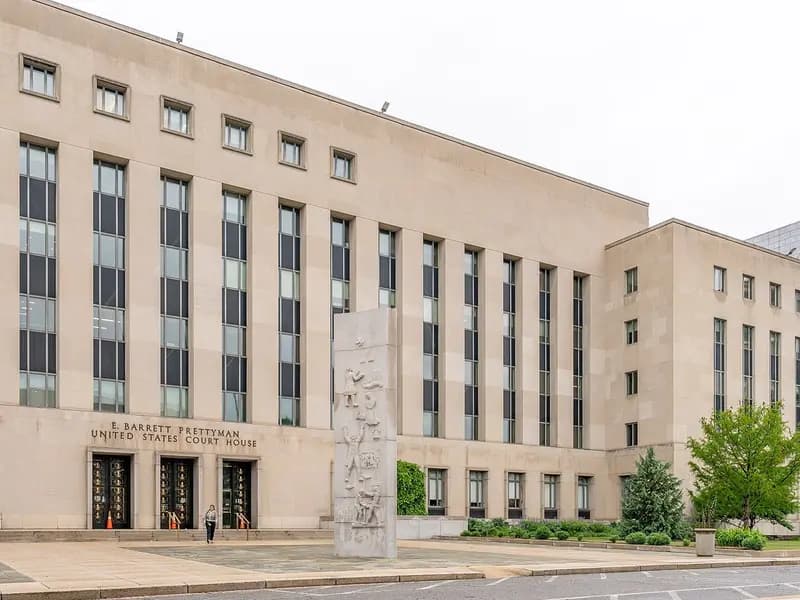
Judge Puts His Reasons in Writing: Case Against Two Ex-FBI Officials Was Rushed, Political and Pushed From the Top
Nov 24, 2026/2 min read

Zelensky Confirms Ukraine Hit the Russian Cargo Ship Sparta II in the Gulf of Finland as Norway Urges Caution
Nov 24, 2026/2 min read

Iran Says Three Tankers Hit Mines in Hormuz as Ship Traffic Falls More Than 40% and Brent Stays Near $89
Nov 24, 2026/2 min read