Ebola in Eastern Congo Passes 8,700 Confirmed Cases as North Kivu Takes a Growing Share and Kenya Watches Its Contacts
WHO's latest figures show weekly cases holding near 480 across seven provinces, no approved vaccine or treatment, and contact tracing short of its target. Kenya's imported case remains a single one.
Sunday, October 11, 2026/2 min read
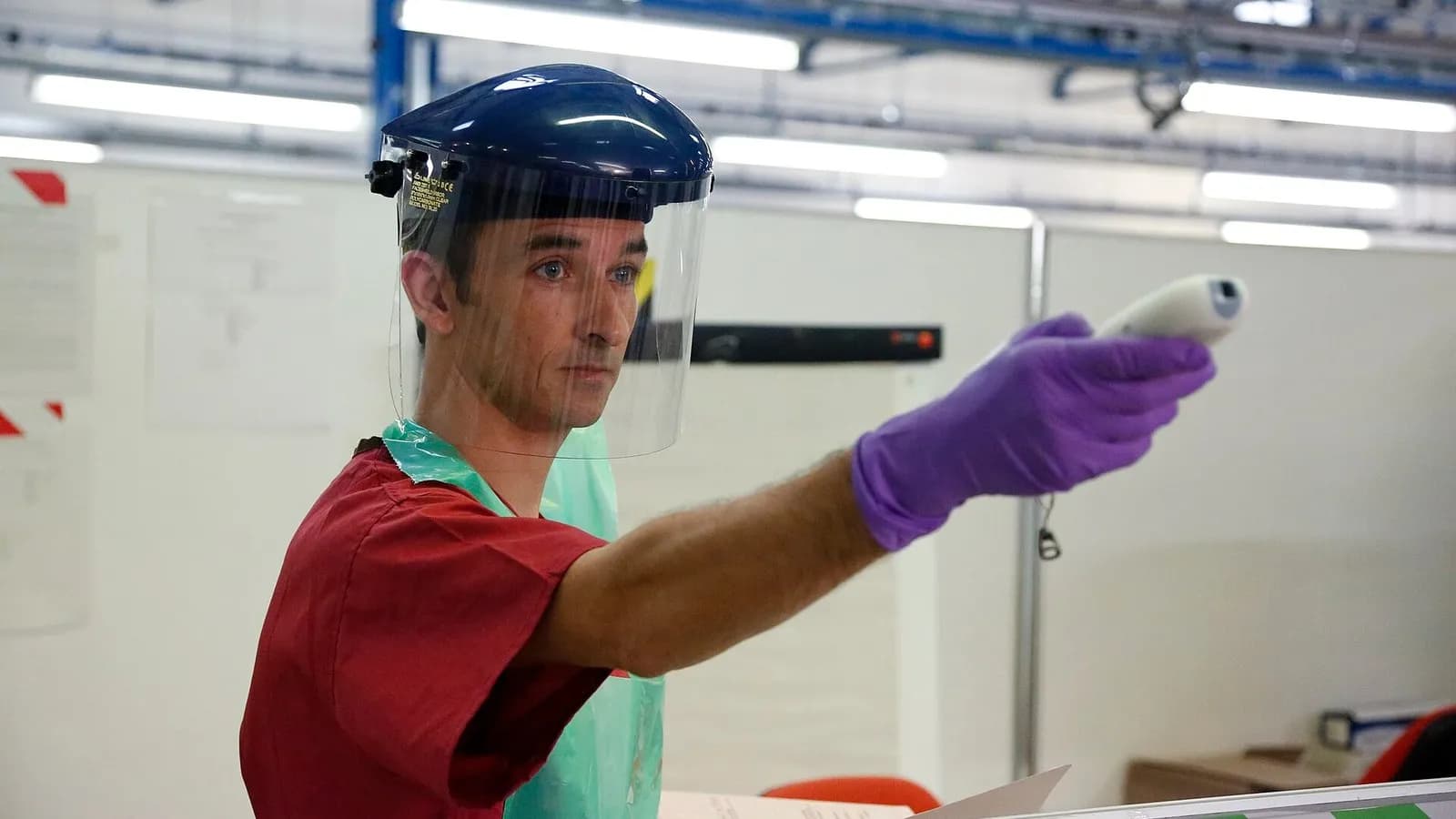
The Bundibugyo Ebola outbreak in the Democratic Republic of the Congo is not slowing in any way that would let responders relax. As of 6 October the World Health Organization had recorded 8,728 confirmed cases and 4,205 confirmed deaths, with 2,269 people recovered and a crude case fatality ratio of 48.2 per cent, according to its Disease Outbreak News report of 8 October.
Weekly new cases edged up from 475 to 487 over the latest three completed weeks, while weekly deaths held steady at 222 to 224. Cases have been found in 64 health zones across seven of the country's 26 provinces.
Where is the Congo Ebola outbreak spreading?
Ituri is the epicentre, with 6,480 cases and 2,989 deaths. North Kivu has the highest provincial fatality ratio, 57.7 per cent, and its share of new infections is growing: Médecins Sans Frontières says it made up nearly 40 per cent of new confirmed cases in early October, up from 24 per cent at the end of August, Al Jazeera reports. The newest affected zone is Alimbongo in North Kivu, where WHO counts four confirmed cases, two of them deaths.
Why is the outbreak hard to contain?
Contact tracing reached 80.4 per cent of identified contacts, 23,741 of 29,535 as of 4 October, below the 85 per cent target. As of 28 September, 34 per cent of confirmed patients were being treated in non-specialised facilities that often lack the resources to manage Ebola, per Al Jazeera, and treatment beds are short. Insecurity, misinformation and attacks on response workers in Beni and Butembo have fed community mistrust.
There is also no approved vaccine or specific treatment for Bundibugyo virus disease, WHO says. Care is supportive, and a clinical trial to find effective treatments began enrolling patients in July. WHO rates the national risk very high, risk in countries bordering the DRC high, and the global risk low, an assessment it last updated in August.
What is the situation in Kenya?
As we reported on 6 October, Kenya confirmed an imported case: a Kenyan man who had lived in the DRC flew to Nairobi on 3 October and died on 5 October. The latest WHO and press accounts describe it as a single case. Kenya has listed 28 contacts, including family members and health workers, and is tracing 23 passengers and four crew from his flight. A suspected case in Wajir County returned a negative preliminary result on 8 October, Al Jazeera notes.
By 6 October Kenya had screened more than 652,000 travellers, tested 267 suspected samples and trained about 5,000 health workers, WHO Africa says. WHO advises against restricting travel or trade with the DRC, Uganda or Kenya.
This article is reporting, not medical advice. Anyone with symptoms after travel to an affected area, or contact with a confirmed case, should follow local health authorities' instructions and seek care from a clinician. The weeks ahead hinge on whether contact tracing reaches its target in North Kivu and whether Kenya's contacts finish their monitoring without a second case.
Published in The Outspoken Digest
Editorial desk
Outspoken Digest Health DeskMedicine, public health and the research behind the headlines, read carefully.
Newsletter
The Digest, in your inbox
One edition, sent when it is ready. No noise, and your address is never passed on.
Read Next
More Health →
Cochrane Review Finds Medical Cannabis Has No Clear Benefit for Insomnia, With Weak Evidence Either Way
Oct 13, 2026/2 min read

Lancet Commission Names 17 Threats to Global Health Through 2100, With Obesity the Largest by Burden
Oct 12, 2026/2 min read
FDA Approves Pritelivir for Herpes Lesions That Resist Standard Antivirals in Immunocompromised Adults
Oct 10, 2026/2 min read
Two Days After the Nobel for Optogenetics, a Small NEJM Trial Shows It Helped Some Blind Patients Detect Objects
Oct 9, 2026/3 min read