Ebola Travel Guidance Returns to the Departure Checklist
Updated traveler attention around Ebola-affected areas underscores a basic rule: monitor official advice, know the symptoms and seek help without stigmatizing whole countries.
Friday, July 24, 2026/2 min read
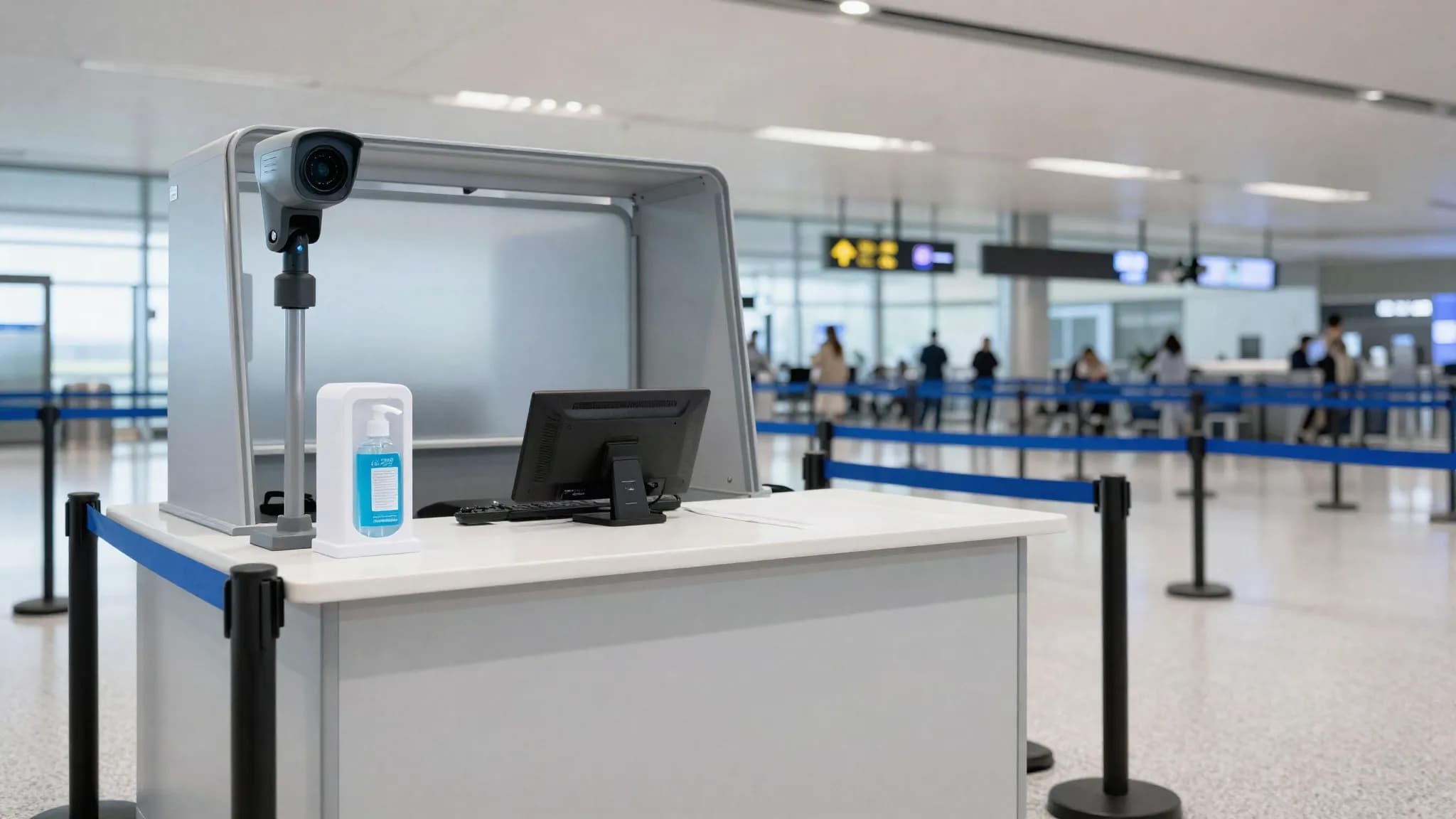
Ebola-related travel guidance is again attracting attention as health agencies update information for people returning from affected areas. The correct response is specific and evidence-based: follow official advice for the exact location and exposure, rather than treating an entire continent as a single risk zone.
This article was prepared for the July 24 edition using current reporting and official background material. CDC information for travelers provides the immediate frame, while WHO Ebola fact sheet supplies the institutional context needed to interpret it.
What changed
Travel notices can recommend symptom monitoring, contact with health authorities or special steps after a known exposure. The details matter because Ebola is not transmitted through casual airborne contact in the way many travelers fear. Risk is associated with direct contact with infected bodily fluids or contaminated materials.
The distinction between an announcement and a durable change matters. Headlines describe the new development; evidence over the next several weeks will show how widely it is used, how institutions respond and which early assumptions survive contact with operations.
Why the story matters now
Past outbreaks showed how misinformation can spread faster than practical guidance. Stigma discourages people from reporting travel and symptoms, while broad restrictions can disrupt communities without improving detection. Public-health systems work best when travelers can provide accurate histories promptly.
WHO disease outbreak news offers an additional reference point. Read together, the sources show why this story is not isolated: it connects policy, infrastructure, public confidence and the incentives of organizations expected to act.
What readers and organizations should do
Before travel, consult a travel-medicine professional and official outbreak pages. After return, note dates and locations, monitor as instructed and call ahead before seeking care if symptoms develop. Calling first helps a facility prepare while protecting staff and other patients.
- Check the date and scope of official notices before acting.
- Separate verified operational facts from forecasts and promotional claims.
- Keep a practical alternative when transport, health, finance or technology decisions are time-sensitive.
- Revisit the situation as new evidence becomes available.
What to watch next
Guidance can change as investigations identify transmission chains. Readers should rely on WHO, national health agencies and local authorities, and be cautious with screenshots that omit dates. The aim is vigilance without panic.
The useful response is neither complacency nor alarm. It is to identify what has genuinely changed, who bears the risk and which indicators can confirm whether the first-day narrative was accurate. That is the standard Outspoken Digest will use as the story develops.
Published in The Outspoken Digest
Editorial desk
Outspoken Digest Health DeskMedicine, public health and the research behind the headlines, read carefully.
Newsletter
The Digest, in your inbox
One edition, sent when it is ready. No noise, and your address is never passed on.
Read Next
More Health →
Cochrane Review Finds Medical Cannabis Has No Clear Benefit for Insomnia, With Weak Evidence Either Way
Oct 13, 2026/2 min read

Lancet Commission Names 17 Threats to Global Health Through 2100, With Obesity the Largest by Burden
Oct 12, 2026/2 min read

FDA Approves Pritelivir for Herpes Lesions That Resist Standard Antivirals in Immunocompromised Adults
Oct 10, 2026/2 min read