A Chewing Gum That Cut Oral HPV by up to 93 Percent
An engineered gum reduced HPV and nearly eliminated two bacteria linked to head and neck cancer. It is early work, and the delivery method is the genuinely clever part.
Thursday, August 6, 2026/4 min read
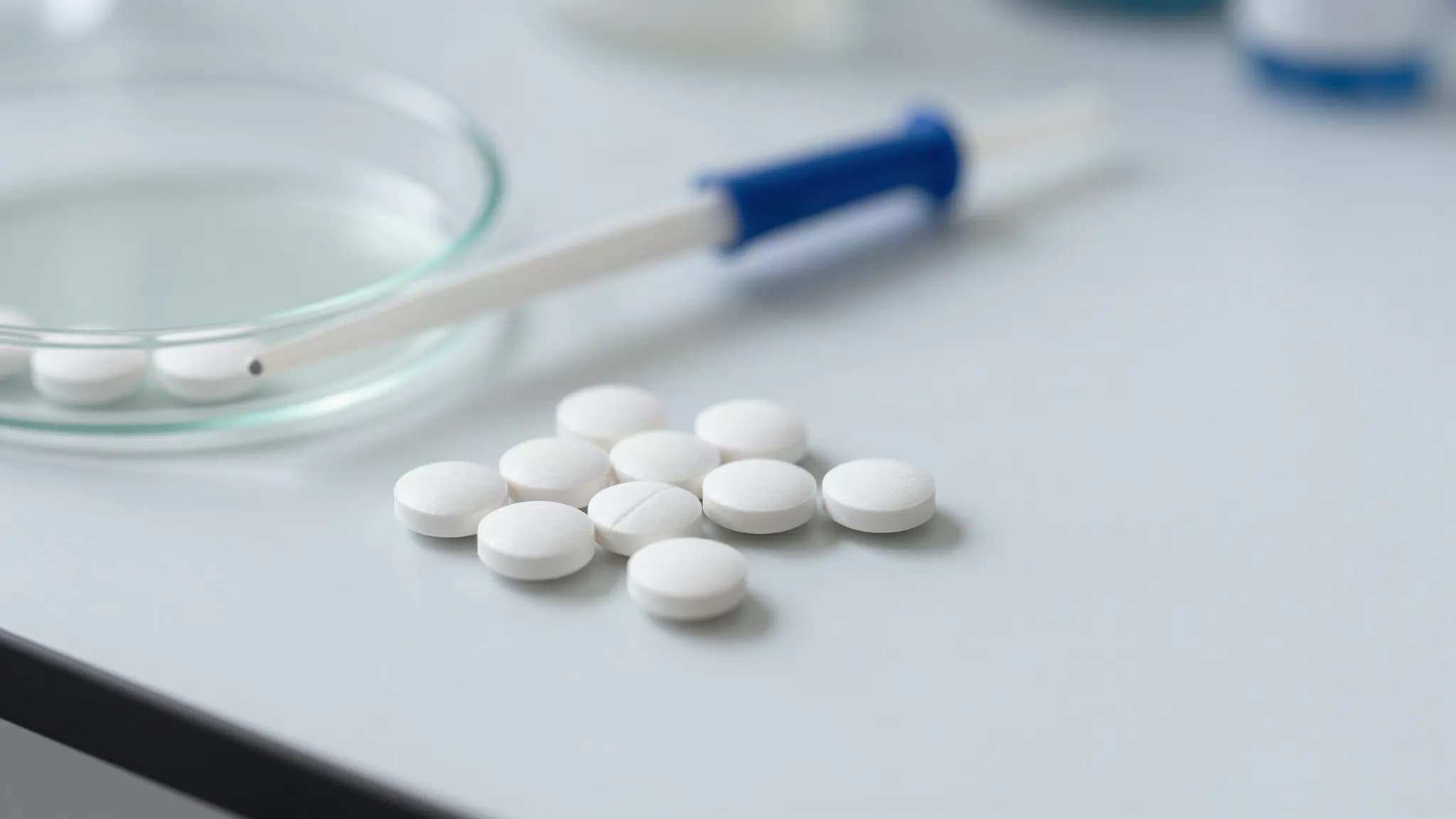
The mouth is a difficult place to deliver a drug. Saliva dilutes and clears whatever arrives, swallowing removes it, and a rinse that works in a laboratory has often left the tissue within minutes.
A specially engineered chewing gum reduced HPV by up to 93 percent and nearly eliminated two bacteria linked to head and neck cancer, according to research reported on 4 August through ScienceDaily's health coverage.
The percentage will get the attention. The delivery mechanism is the more interesting contribution.
Why gum is a serious drug delivery idea
Chewing gum solves the residence time problem that defeats mouthwashes and sprays.
A rinse contacts tissue for perhaps thirty seconds. Gum is chewed for many minutes, held against oral surfaces throughout, and releases its active compound gradually across that period rather than all at once. Mechanical chewing also distributes the compound into areas a rinse reaches poorly.
It has an adherence advantage as well, which sounds trivial and is not. Preventive interventions fail overwhelmingly because people stop doing them, and something already embedded in ordinary behaviour has a far better chance of being sustained than an added daily ritual.
Why oral HPV matters
Human papillomavirus is widely understood in connection with cervical cancer. Its role in cancers of the mouth and throat is less well known publicly and clinically significant.
Persistent oral HPV infection is associated with a subset of head and neck cancers, and rates of those cancers have been rising in several countries. Unlike cervical screening, there is no established population screening programme for oral HPV, which means these cancers are often found later.
The bacterial component of the finding sits alongside this. Certain oral bacteria have been linked to head and neck cancer risk, and an intervention that reduces both viral and bacterial burden is addressing two associated factors at once.
What this study does not establish
This is where care is required, and the study itself is not the thing making claims.
Reducing a viral load is not the same as preventing a cancer. The chain from persistent infection to malignancy runs over years and involves many factors, and demonstrating that an intervention lowers a risk marker is a long way from demonstrating that it lowers disease incidence. The second requires large, long, expensive trials that have not been done.
The figure of up to 93 percent also deserves reading precisely. Up to is doing real work in that phrase, and a maximum observed reduction is not an average effect.
Vaccination remains the established intervention against HPV, and nothing in an early stage delivery study changes that. A gum that reduces existing oral viral load addresses a different question from a vaccine that prevents infection.
Why the mouth is a hard target
Oral drug delivery has a specific set of obstacles that make it unlike delivering a drug to the gut or the bloodstream.
Saliva production continuously dilutes and clears whatever is applied. Swallowing removes it entirely. The tissue surfaces are uneven, with gum margins and the spaces between teeth that a rinse flows past rather than into. And the oral microbiome is dense and established, so anything introduced arrives into competition.
Those constraints are why so much oral health intervention is mechanical, brushing and flossing, rather than pharmacological. A delivery method that holds an active compound in place for a sustained period is addressing the actual bottleneck.
The wider research picture
This result arrives in a period of unusually active work on the immune system and on how infection interacts with disease.
Research reported in the same window, tracked through health and medicine coverage, includes work on immune cells in flatworms that destroy bacteria and then vanish, and a first selective compound targeting a protein implicated in Alzheimer's disease. None of these are related to each other directly.
What connects them is a methodological shift: increasingly precise targeting, whether of a protein, a pathogen or a tissue site, in place of broad systemic intervention. A gum that acts locally in the mouth rather than delivering a drug through the whole body belongs to that direction.
Early stage results in this category fail often, which is not a criticism of any individual finding. It is the reason a single promising study is a reason to watch rather than to conclude, and the broader research feed is full of mechanisms that did not survive a larger trial.
Reporting, not medical advice
This article describes early published research and is journalism rather than clinical guidance. It cannot account for any individual's history or risk. Anyone with concerns about HPV, about oral or throat symptoms that persist, or about vaccination should raise them with a clinician who knows their case. Nothing here should be read as a reason to delay screening, vaccination or medical assessment, and no product described here is an established treatment.
It is also worth noting who such an intervention would be for. A preventive measure that requires no clinic visit and no prescription reaches populations that screening programmes routinely miss, which is a large part of why delivery methods attract research funding at all.
What to watch next
Watch whether the delivery platform gets used for other targets. If a gum can hold an active compound against oral tissue for a sustained period, the applications extend well beyond this specific pairing, into dental disease, fungal infection and local pain management.
Watch also for the trial that would matter: a long, prospective study measuring persistent infection over years rather than viral load over weeks. That is the study that turns a promising mechanism into a public health tool, and it has not been run yet.
Published in The Outspoken Digest
Editorial desk
Outspoken Digest Science DeskReports for The Outspoken Digest across Technology, Latest Trends, Health.
Newsletter
The Digest, in your inbox
One edition, sent when it is ready. No noise, and your address is never passed on.
Read Next
More Health →
FDA Approves Hibsago, the First Antisense Drug for Chronic Hepatitis B, With a Boxed Warning
Oct 22, 2026/2 min read

A Night-Owl Subtype of Depression Appears to Start Earlier, Hit Harder and Respond Worse to Common Antidepressants
Oct 21, 2026/2 min read

CDC and FDA Link Salmonella Illnesses in 12 States to Raw Oysters From Virginia's Little Wicomico River
Oct 20, 2026/2 min read
FDA Approves Dostarlimab for dMMR Rectal Cancer, an Option That May Spare Some Patients Surgery
Oct 19, 2026/2 min read