Surviving a Gulf August: What Actually Works Against Extreme Heat
Heat illness is one of the most preventable medical emergencies there is, and most of the popular advice about it is either useless or actively wrong. The humidity is what changes the arithmetic.
Saturday, August 8, 2026/4 min read
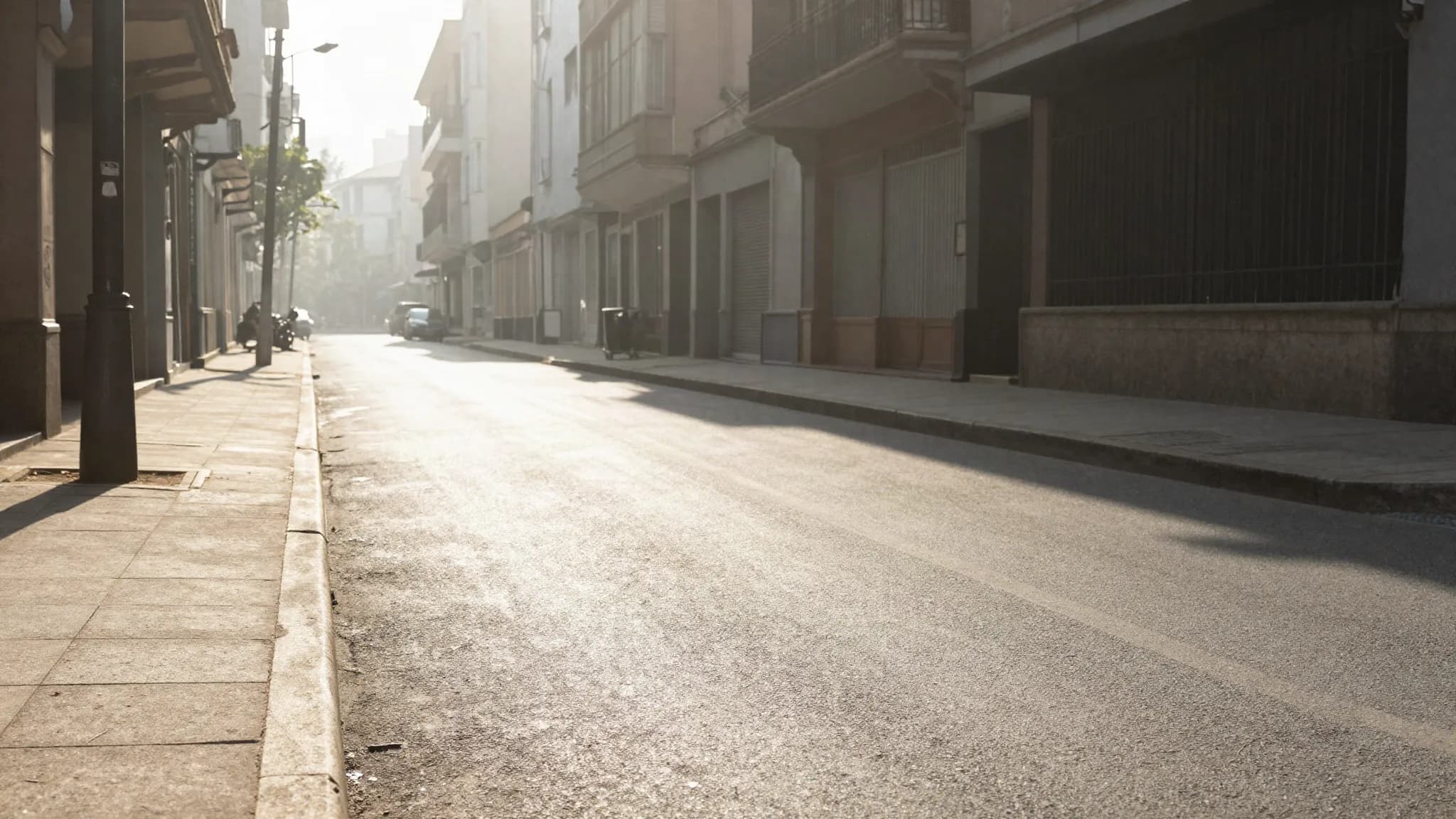
Heat is the most lethal weather there is, and it kills quietly. There is no wreckage and no footage, so it never looks like a disaster, and a great deal of the advice circulated about it is folklore.
Two things are worth understanding properly: why humidity matters more than the temperature on the thermometer, and how to tell the difference between the condition you manage at home and the one that is a medical emergency.
Why the number on the forecast is not the whole story
The human body sheds heat mainly by evaporating sweat. Evaporation is what cools you, not the sweating itself.
When humidity is high, evaporation slows. Sweat runs off instead of evaporating, and it takes the water but not the heat. This is why a humid coastal 40C is more dangerous than a dry inland 45C, and why people who grew up with dry heat can badly misjudge coastal summers.
The measure that captures this is wet bulb temperature, which combines heat and humidity. Above roughly a wet bulb of 35C, a healthy person at rest cannot shed heat to the environment at all, no matter how fit or acclimatised they are, a threshold the World Health Organization treats as a hard physiological limit. Well below that threshold, anyone working physically is already in trouble.
The practical version: check humidity alongside temperature, and treat a humid morning as more hazardous than a hotter dry afternoon.
Heat exhaustion versus heat stroke
These are frequently used interchangeably and they are not the same emergency. The NHS distinction is worth memorising.
Heat exhaustion presents with heavy sweating, tiredness, dizziness, headache, nausea, cramps, pale clammy skin and a fast weak pulse. The person is usually still coherent. This is manageable: move them somewhere cool, lie them down, raise the legs, cool the skin, give fluids. Improvement should be clear within about thirty minutes.
Heat stroke is different in kind. The core sign is a change in mental state: confusion, slurred speech, agitation, loss of coordination, seizure or unconsciousness. Skin may be hot and dry, because sweating has failed, though in exertional cases it can still be wet. This is a medical emergency with a real mortality rate, and organ damage begins quickly.
The rule that matters: if the person is confused, it is not exhaustion. Call emergency services and start aggressive cooling immediately while waiting. Get them into shade, remove excess clothing, and apply cold water to as much of the body as possible, concentrating on the neck, armpits and groin. Do not give fluids by mouth to anyone who is confused or drowsy.
The hydration advice that is wrong
Drink plenty of water is incomplete advice in this climate, and in the specific case of heavy sweating it can cause harm.
Sweat contains salt. Someone sweating heavily for hours who replaces only water dilutes their blood sodium, and severe hyponatraemia causes confusion and seizures. Confusingly, that looks like heat stroke.
For ordinary days, water is fine. For prolonged heavy sweating, particularly outdoor work or long training, fluids should include electrolytes, or salt should come from food alongside the water. Oral rehydration salts are cheap and effective.
Two other corrections. Thirst lags behind need, so drinking to thirst under-replaces during heavy work. And alcohol and large amounts of caffeine both work against you, alcohol especially, because it impairs both fluid balance and the judgement required to notice you are in trouble.
Who is at higher risk, and why it is not who people assume
Outdoor workers carry the heaviest burden, which is why midday work bans exist across the region during summer months. Those rules exist because the evidence for them is strong.
But the quieter risk sits indoors. Older adults have a blunted thirst response and sweat less efficiently. Young children heat up faster relative to body mass. People with heart, kidney or respiratory conditions have less reserve, and several very common medications interfere with temperature regulation, including some diuretics, beta blockers, antihistamines, antidepressants and antipsychotics.
A frail person alone in an unairconditioned flat is a classic and preventable heat death, and they will not call anyone. Someone else has to check.
What actually works
Shift timing first. Move exertion to early morning or after dark. This single change does more than everything else combined.
Acclimatise gradually. Adaptation takes one to two weeks of progressive exposure, and arriving from a temperate country into full outdoor activity is a common route to hospital.
Cool the body, not just the air. Cool showers, wet cloths on the neck and wrists, and loose light-coloured clothing all help. A fan blowing air hotter than skin temperature is not cooling anyone; it is a convection oven.
And check on people. The most effective heat intervention in any community is a phone call to someone living alone.
This article is reporting, not medical advice. If you suspect heat stroke, treat it as an emergency and seek immediate medical help.
Published in The Outspoken Digest
Editorial desk
Outspoken Digest Health DeskMedicine, public health and the research behind the headlines, read carefully.
Newsletter
The Digest, in your inbox
One edition, sent when it is ready. No noise, and your address is never passed on.
Read Next
More Health →
Two Days After the Nobel for Optogenetics, a Small NEJM Trial Shows It Helped Some Blind Patients Detect Objects
Oct 9, 2026/3 min read
WHO Launches a Global Roadmap on Pre-Eclampsia and Pregnancy Hypertension, Tied to 42,000 Maternal Deaths a Year
Oct 8, 2026/3 min read
WHO Says Diet and Exercise Come First and Children Under 10 Should Not Get Weight-Loss Drugs or Surgery
Oct 7, 2026/3 min read
Kenya Confirms Its First Ebola Case, a Man Who Flew In From Uganda After Years in Congo and Died in Nairobi
Oct 6, 2026/3 min read