Secondhand Fashion Has Become a Style Signal, Not a Compromise
Preowned clothing is moving into the center of fashion as shoppers pursue value, individuality and access while brands reconsider their resale strategies.
Friday, July 31, 2026/2 min read
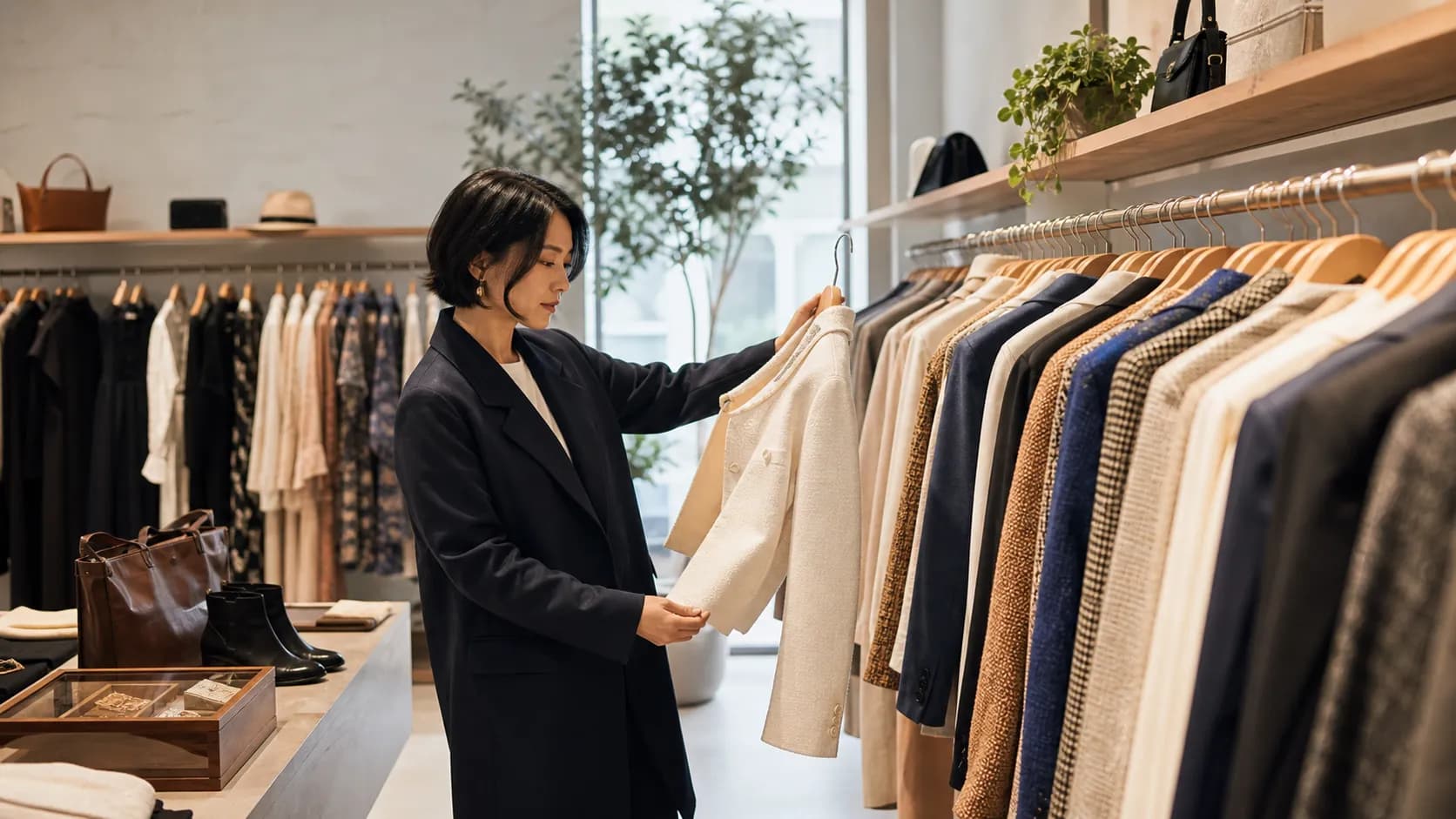
Secondhand clothing used to be discussed primarily as a budget choice or an environmental virtue. In 2026 it is increasingly a style signal. A frequently resold item can indicate demand, durability or cultural relevance, while a carefully sourced vintage piece gives the wearer something an algorithmic trend cycle cannot instantly reproduce.
Bain's July analysis, Charting the Rise of Preowned Apparel in the US and Europe, describes a market driven by saving money, reducing waste and making a fashion statement. Those motivations overlap, but they create different expectations for platforms and brands.
Value brought shoppers in
Higher prices and uncertain household budgets make resale practical. A buyer can access better materials or a more prestigious label for less than retail. Sellers can recover value from wardrobes rather than treating clothing as a sunk cost.
That economic logic gives the market resilience. Sustainability may influence a purchase, but savings and product quality often close it. The strongest resale businesses therefore compete on authentication, condition, convenience and price transparency rather than moral language alone.
Individuality keeps them browsing
New-fashion feeds can make stores feel synchronized. Resale breaks the current-season boundary and mixes decades, designers and price points. The result is a treasure-hunt experience where discovery itself becomes entertainment.
This is especially attractive when social media accelerates trends so quickly that a new item can feel familiar before it reaches a wardrobe. A preowned piece carries scarcity and history that mass production cannot easily imitate.
Brands are reconsidering their role
McKinsey's State of Fashion 2026 discussion notes that consumers increasingly associate frequent resale with trendiness or demand. Brands can ignore that secondary market, partner with platforms or operate trade-in and resale programs of their own.
Participation offers data, customer contact and quality control. It also forces uncomfortable questions about durability. A brand that promotes resale implicitly promises its products can survive long enough to have a second owner.
What buyers should inspect
- Measurements rather than the size label, because sizing changes across eras and brands.
- Fabric composition, repairs, stains and high-wear areas.
- Return terms and the platform's authentication process for expensive items.
- Total cost after shipping, cleaning, tailoring and duties.
- Seller photographs rather than catalogue images alone.
Resale is not automatically sustainable
Frequent low-value shipping, excessive packaging and buying more simply because items are cheaper can reduce the environmental benefit. A circular wardrobe depends on wearing products longer, repairing them and making deliberate purchases, not treating resale as another fast-fashion feed.
The cultural change still matters. Clothing is retaining value after the first sale, and consumers are learning to view wardrobes as collections that can circulate. The most interesting outfit in 2026 may not be the newest. It may be the one assembled with enough patience that nobody else can buy the same look in a single click.
Published in The Outspoken Digest
Newsletter
The Digest, in your inbox
One edition, sent when it is ready. No noise, and your address is never passed on.
Read Next
More Fashion →
Victoria's Secret Fashion Show Heads to Los Angeles on Sunday With an All-Women Lineup and Three Angel Hopefuls
Oct 15, 2026/2 min read

Anthony Vaccarello Is Leaving Saint Laurent After a Decade, and Kering Has Not Yet Named His Successor
Oct 9, 2026/2 min read

Louis Vuitton Closes Paris Fashion Week With Hovering Cars, Paper-Light Dresses and a Louvre Courtyard Cityscape
Oct 7, 2026/2 min read
Celine Dion Made a Surprise Return to the Catwalk to Close L'Oreal's Paris Fashion Week Opening Show
Sep 29, 2026/2 min read