A Hundred Radio Flashes From Deep Space Have Given Astronomers a New Way to Weigh the Universe's Missing Matter
Fast radio bursts last a millisecond and arrive smeared by everything they pass through. Caltech's Kritti Sharma and Vikram Ravi used that smear from about a hundred of them to measure how clumpy the gas between galaxies is. It is smoother than anyone thought.
Tuesday, September 15, 2026/3 min read
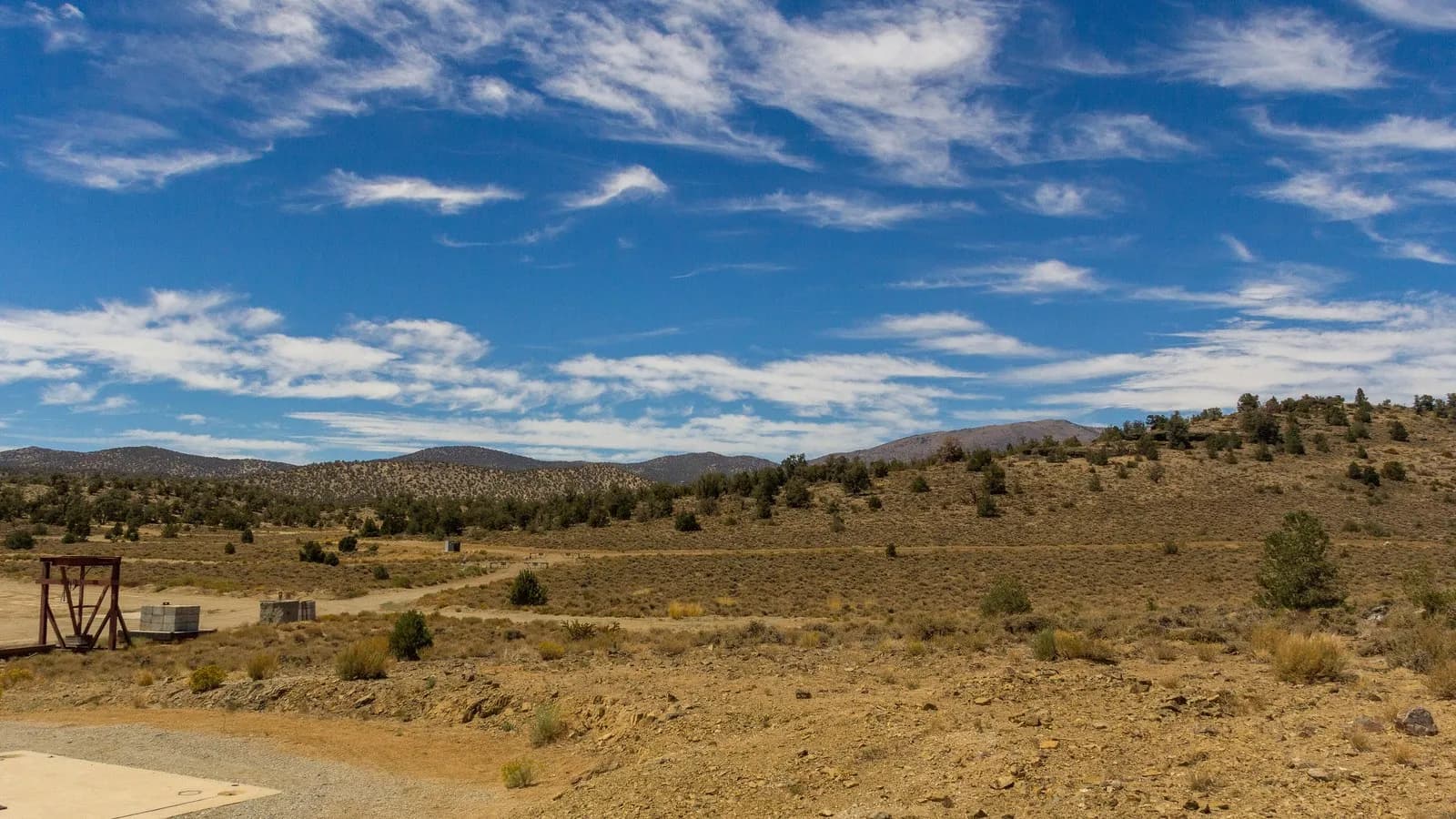
Most of the ordinary matter in the universe is not in stars or galaxies. It is a thin hot gas in the spaces between them, invisible to telescopes that see light, and for decades astronomers could account for only about half of it. Fast radio bursts, millisecond flashes of radio energy from other galaxies whose cause is still argued about, turned out to be the instrument that finds the rest, because the gas leaves a fingerprint on every burst that crosses it. A paper published last week in Nature Astronomy by two Caltech astronomers takes the next step: using the fingerprints not just to find the gas but to measure its texture.
The trick
Radio waves of different frequencies travel through ionised gas at very slightly different speeds, so a burst that left its galaxy as a single spike arrives at Earth with its high frequencies a fraction of a second ahead of its low ones, like white light spread into a spectrum by a prism. The size of the spread, the dispersion measure, tells you how many electrons the signal passed. If you know how far away the burst's home galaxy is, which you can measure if you can pinpoint it, you know how much gas lies between here and there. Do that for many bursts in many directions and the scatter in the results tells you whether the gas is spread smoothly or gathered into clumps. That scatter is what Kritti Sharma, a graduate student, and Professor Vikram Ravi measured, using about a hundred bursts caught and localised by the Deep Synoptic Array at Caltech's Owens Valley Radio Observatory in California, according to Caltech's account.
What they found
The gas is smoother than expected. Galaxies push material out into their surroundings, through the winds of exploding stars and the jets of their central black holes, a process astronomers call feedback, and the burst data show that this feedback has spread the intergalactic gas more evenly than X-ray and microwave surveys had implied. That matters well beyond the gas itself. The great questions of cosmology, what dark matter is, what dark energy is, how much the neutrino weighs, are all answered by measuring how matter clumps on the largest scales. Feedback blurs that measurement, because it moves ordinary matter around in ways that have nothing to do with dark matter or dark energy. This is, Caltech says, the first time anyone has measured the effect of feedback on the clumpiness of matter between galaxies directly, which means it can now be subtracted. "FRBs are a leading probe of the distribution of matter in the universe," the authors say, and the technique can sharpen experiments on "dark matter, dark energy, and the mass of neutrinos".
What comes next
A hundred bursts is a proof of concept. Caltech's DSA-2000, a much larger array under construction in Nevada and due to begin operating in 2029, is expected to detect and localise tens of thousands, at which point the fingerprints become a map. Universe Today has a good account of what that map could do. It is one of a handful of instruments this decade, alongside the Vera Rubin Observatory's survey and the Roman Space Telescope launched last month, that will measure the same cosmic structure by completely different means. If they agree, the standard model of cosmology survives another decade. If they do not, something in it is wrong, and a hundred radio flashes from Owens Valley will have been among the first to say so.
Published in The Outspoken Digest
Editorial desk
Outspoken Digest News DeskReports for The Outspoken Digest across Latest Trends, Sports, Nutrition, Crypto.
Newsletter
The Digest, in your inbox
One edition, sent when it is ready. No noise, and your address is never passed on.
Read Next
More Latest Trends →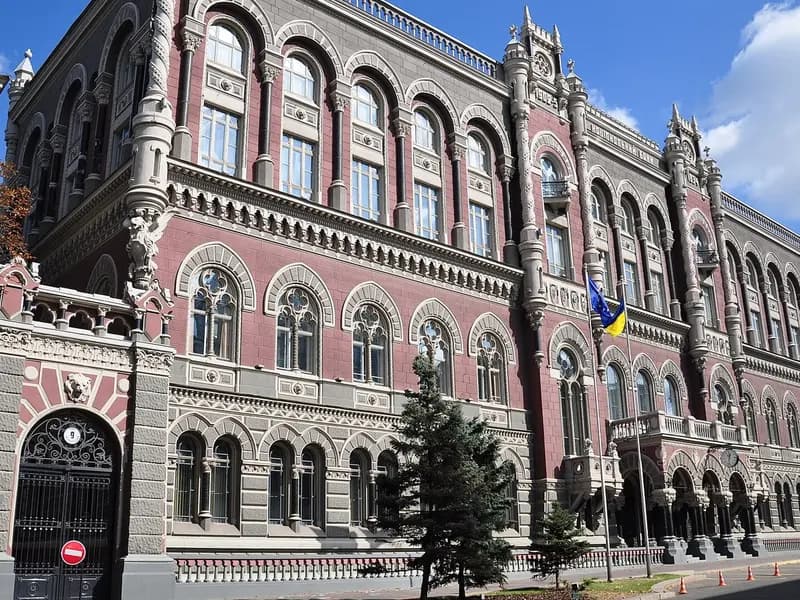
Ukraine's Anti-Corruption Bureau Searches the National Bank, and Governor Pyshnyi Says He Is Staying
Oct 22, 2026/2 min read
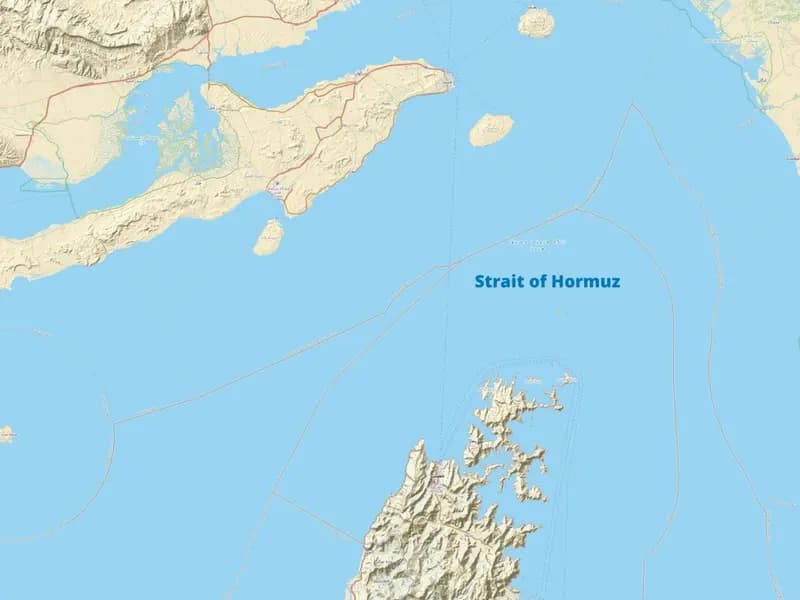
Iran Says Hormuz Stays Shut Until Washington Accepts Its Seven-Day Plan, and Explosions Are Reported on Its Coast
Oct 22, 2026/2 min read

Putin Tells Witkoff He Will Negotiate in Principle as Russia Frees American Stephen Hubbard
Oct 22, 2026/2 min read

Two Killed at a Saudi Oil Field and One at Dammam Airport as the US Orders Embassy Staff Out of Saudi Arabia
Oct 22, 2026/2 min read