FDA Approves Pritelivir for Herpes Lesions That Resist Standard Antivirals in Immunocompromised Adults
Hovilpri, a daily tablet with a new mechanism, beat investigators' choice of older drugs in a 101-person trial. It is aimed at people with transplants, blood cancers or HIV whose sores will not heal.
Saturday, October 10, 2026/2 min read
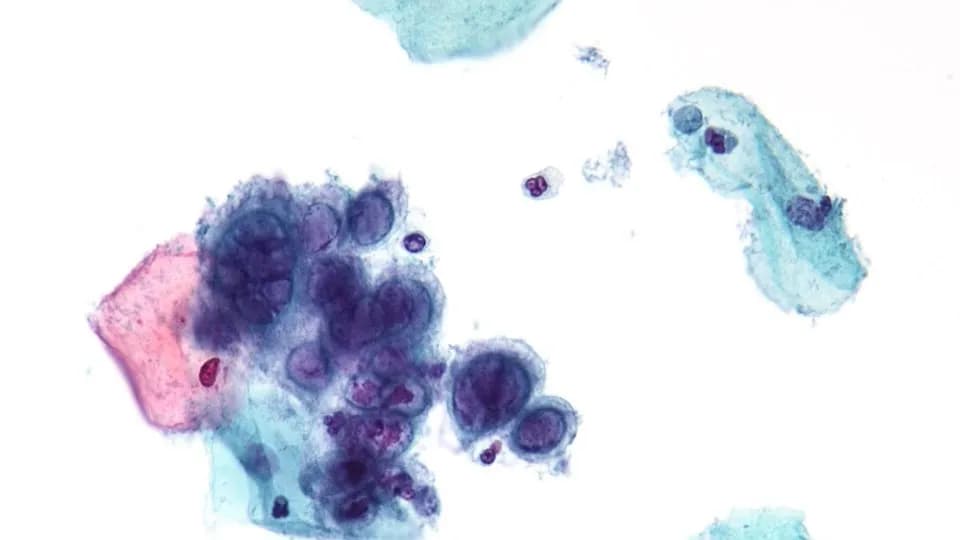
For most people, a herpes sore clears with a standard antiviral and little fuss. For someone with a transplant, a blood cancer or HIV, it sometimes does not, and the options that remain have meant intravenous drugs and close monitoring. On 9 October the US Food and Drug Administration approved a different kind of tablet for that group.
The drug is pritelivir, sold as Hovilpri, and it is cleared for mucocutaneous herpes simplex virus (HSV) lesions in immunocompromised adults that are refractory to standard treatment, with or without documented resistance to acyclovir, valacyclovir or famciclovir, according to Contagion Live. Aicuris developed it; Asahi Kasei Therapeutics announced the approval, and the application had priority review.
How does pritelivir work differently?
It is a helicase-primase inhibitor. Unlike acyclovir-type drugs, it does not need to be activated by a viral enzyme, which is where resistance often arises. Pharmaceutical Technology notes that patients with failed first-line treatment have largely depended on intravenous therapy, and that foscarnet in particular calls for controlled infusion and frequent kidney and electrolyte monitoring.
What did the trial show?
Approval rests on part C of the phase 3 PRIOH-1 trial, a randomised, open-label study of 101 immunocompromised adults. Comparators were investigators' choice of intravenous foscarnet, intravenous or topical cidofovir, or topical imiquimod. By day 28, all lesions had fully healed in 63 per cent on pritelivir versus 34 per cent on the comparator, Contemporary OB/GYN reports. Among patients who continued treatment, manufacturer data show 82 per cent versus 42 per cent.
Open-label means patients and doctors knew which drug they were getting, and the longer-treatment figures come from the manufacturer. The trial population was small, and effects were described as consistent across hematologic malignancy, transplant and HIV groups.
What are the side effects and cautions?
Headache was the most common adverse reaction in the FDA label, and the manufacturer's data also list diarrhoea, nausea, reduced appetite, vomiting and dizziness. Contagion Live gives adverse reactions in 22 per cent on pritelivir versus 54 per cent on the comparator, and discontinuation because of them in 2 per cent versus 20 per cent. Some acid-reducing medicines can lower pritelivir levels, and it can raise levels of certain other drugs, so the prescribing information matters here. Herpes remains incurable; this treats lesions rather than the virus.
When will it be available?
Asahi Kasei expects the drug in the United States before the end of 2026. It has estimated that about 15,000 US patients with weakened immune systems could be served, according to Pharmaceutical Technology; no price or launch date has been published in the coverage reviewed.
This article is reporting, not medical advice. Decisions about starting, stopping or switching any antiviral belong with a clinician who knows the patient's medical history and other medicines, particularly for anyone who is immunocompromised.
Published in The Outspoken Digest
Editorial desk
Outspoken Digest Health DeskMedicine, public health and the research behind the headlines, read carefully.
Newsletter
The Digest, in your inbox
One edition, sent when it is ready. No noise, and your address is never passed on.
Read Next
More Health →
Cochrane Review Finds Medical Cannabis Has No Clear Benefit for Insomnia, With Weak Evidence Either Way
Oct 13, 2026/2 min read

Lancet Commission Names 17 Threats to Global Health Through 2100, With Obesity the Largest by Burden
Oct 12, 2026/2 min read

Two Days After the Nobel for Optogenetics, a Small NEJM Trial Shows It Helped Some Blind Patients Detect Objects
Oct 9, 2026/3 min read