Four Days of High-Fat Food Primed Mice for Worse Skin Inflammation, a UCSF Study in Nature Finds
In a Nature mouse study, lean animals fed high-fat food for four days reacted to a skin irritant like obese ones, and memory T cells left the skin primed. Human data are missing.
Outspoken Digest Nutrition Desk
Friday, October 30, 2026/2 min read
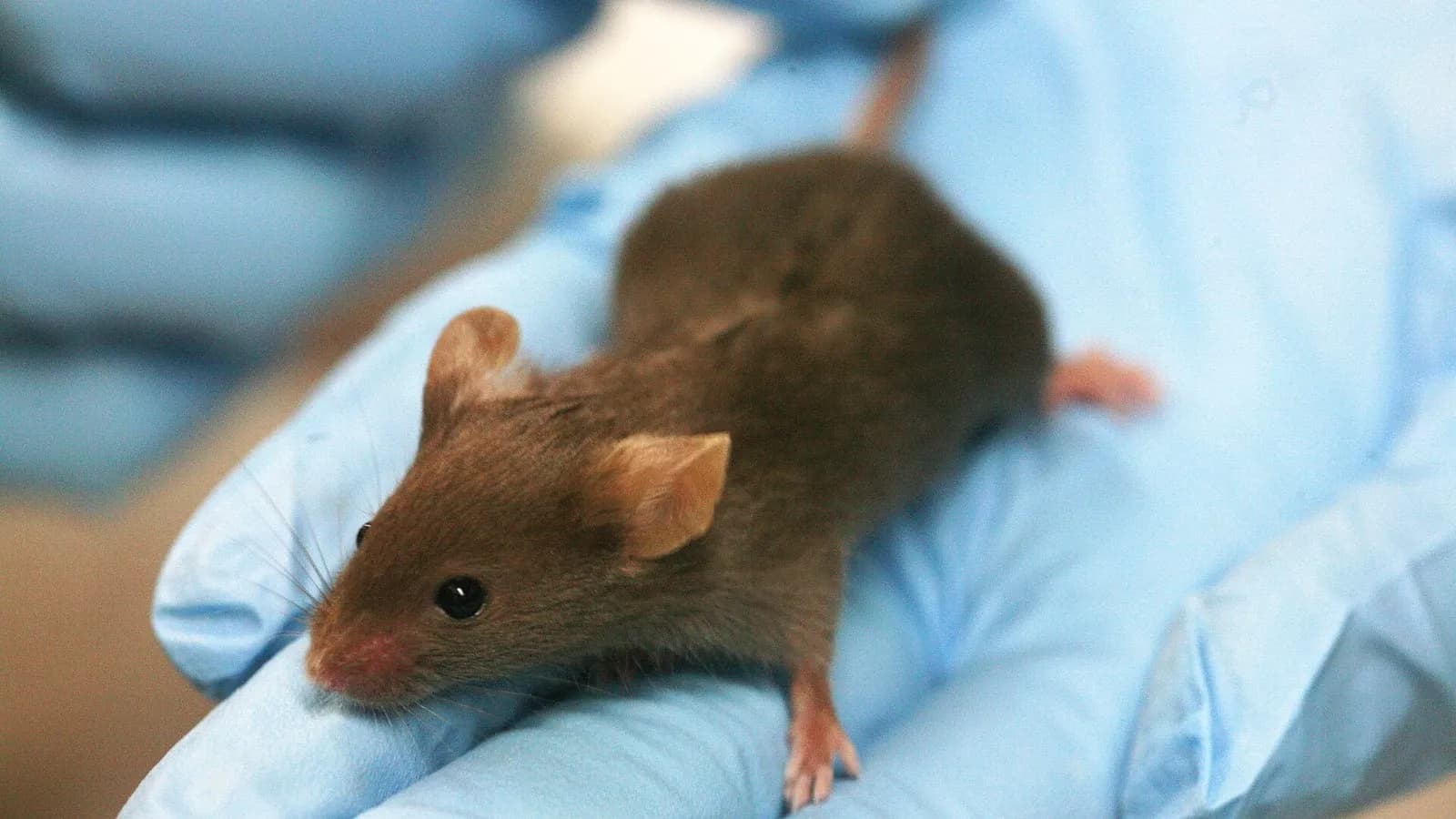
A few days of rich food may be enough to change how the immune system reacts, at least in a mouse. Researchers at the University of California, San Francisco report in Nature that lean mice fed a high-fat diet for just four days developed severe skin inflammation when later challenged with an irritant, about as bad as in obese mice, according to Medical Xpress. The paper was published on 28 October.
It is a mouse study, and the people who ran it say so. But it points at a question nutrition science has mostly asked over months and years rather than days.
What did the mouse experiment show?
The team raised mice on low-fat or high-fat pellets and applied imiquimod, an irritating cream that causes inflammation, to one ear. Normal-weight mice switched to high-fat food for four days, then challenged three days later, developed severe ear inflammation similar to that of obese mice on a high-fat diet. Going the other way, obese mice moved to normal food for four days had milder inflammation, News-Medical reported.
So in this model, what the animals had eaten in the last few days mattered about as much as their body weight. The researchers saw a similar heightened response to irritation in the lungs after a few days of high-fat feeding.
How could four days of food prime the immune system?
The proposed mechanism has two steps. First, high-fat feeding drew rapid-response immune cells into the skin, which amplified the reaction. Second, after the inflammation faded, memory T cells stayed behind in the ear, leaving the tissue primed. When normal-weight mice were returned to low-fat food and the same ear was challenged again weeks later, the skin responded more strongly than before.
Sagar Bapat, a UCSF pathology professor and the study's corresponding author, put the lesson broadly: each meal can have a rapid effect on the immune system. Zewen Jiang, who led the work as a graduate student, added that diet, exercise and sleep could all shape immune health in ways not yet appreciated.
Does this mean one bad meal harms your immune system?
No, and the limits are large. The work was done in mice, and Jiang noted that a laboratory mouse's diet does not map neatly onto what people eat. Inflammation was triggered with a single irritant, so the results may not carry over to infections or other immune challenges. The coverage reports no sample sizes or effect sizes, so how large or consistent the effect was in each experiment cannot be judged from it. Nothing here shows that a person who has a rich weekend meal will react worse to a cold or a rash.
What the study does is add a mechanism, memory T cells in tissue, that could explain why diet and inflammatory conditions of the skin and lungs sometimes seem linked. Whether the same pathway operates in people is the open question, and it needs human data, ideally from controlled feeding trials, before it can change advice.
This is reporting on one preclinical study, not medical advice. Decisions about diet, particularly for anyone with an inflammatory skin or lung condition, belong with a clinician or dietitian who knows the individual's history.
Published in The Outspoken Digest
Editorial desk
Outspoken Digest Nutrition DeskDiet, food science and the evidence behind claims about what we eat.
Newsletter
The Digest, in your inbox
One edition, sent when it is ready. No noise, and your address is never passed on.
Read Next
More Nutrition →
In a Norwegian Trial, a Very Low-Carb Diet Heavy in Saturated Fat Raised LDL but Not ApoB
Oct 29, 2026/2 min read

Animal and Plant Protein Linked to Opposite Testosterone Levels in Finnish Men, but the Gaps Are Small
Oct 28, 2026/2 min read
The Olive Oil Shot Before a Meal: What a New Mouse Study Does and Does Not Show About Blood Sugar
Oct 26, 2026/3 min read

Fruit and Vegetables Beat Usual Care for Kidney Disease Acidosis in a 10-Year Trial, Researchers Report
Oct 23, 2026/2 min read