Regular Tea Drinkers Had 11 Percent Lower Vascular Disease Risk in a Study of 486,000 Chinese Adults
A China Kadoorie Biobank analysis in the Journal of Internal Medicine links habitual tea to fewer heart and stroke events, with black tea, moderate strength and not-too-hot cups doing best.
Outspoken Digest Nutrition Desk
Tuesday, November 3, 2026/2 min read
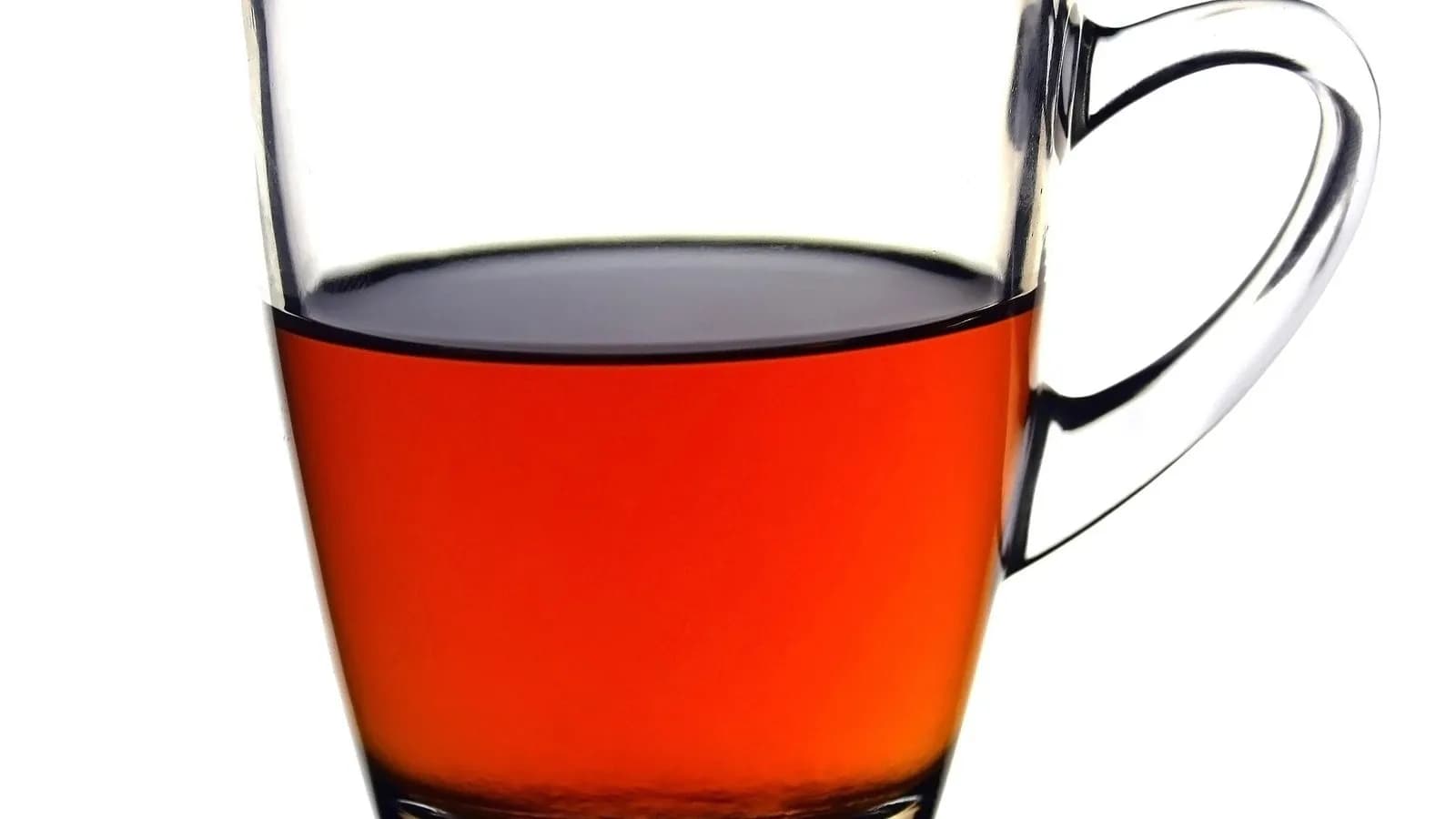
The world's most popular drink after water has a new, very large study on its side, with a few conditions attached. Among 485,934 adults in the China Kadoorie Biobank followed for an average of 9.05 years, habitual tea drinkers had an 11 percent lower risk of vascular disease than non-drinkers, according to a paper in the Journal of Internal Medicine whose press release was circulated by the publisher Wiley this weekend.
The outcome was broad: 14,863 cases of cardiovascular, cerebrovascular, pulmonary heart and peripheral artery disease were recorded during follow-up. The hazard ratio for habitual tea drinking was 0.888, with a 95 percent confidence interval of 0.857 to 0.921, the abstract reports. The paper was published online on 21 October, with first author Zichen Ye of the Chinese Academy of Medical Sciences and Peking Union Medical College in Beijing.
Does black tea or green tea do more for the heart?
Black tea showed more consistent inverse associations with vascular disease than green tea, the authors report, a finding that cuts against the usual assumption that green tea is the healthier cup. Moderate-strength tea was linked to the lowest risk; stronger brews did not do better. The dose-response curve was non-linear, with the lowest estimated risk among weekly drinkers at roughly six to eight cups a day, which the authors are careful not to frame as a recommendation.
Cup size in this cohort is a Chinese tea cup, considerably smaller than a British mug, and the study did not test whether polyphenols or anything else explain the black versus green difference.
Why does the temperature of the tea matter?
The one clearly negative finding concerned heat. Participants who described their tea as burning hot had a 16 percent higher risk of vascular disease, with a hazard ratio of 1.160 and a confidence interval of 1.090 to 1.236. Very hot drinks have previously been linked to oesophageal cancer; this is an association with blood vessels, and the paper does not identify a mechanism or a specific temperature threshold. Letting the cup cool is the obvious, low-cost response.
Tea, smoking and exercise together
The most striking number came from a joint analysis. People who drank tea habitually, did not currently smoke and were highly physically active had a hazard ratio of 0.548 for vascular disease, about 45 percent lower than those with none of the three, as Medical Xpress summarised. The authors describe the interaction between tea and physical activity as sub-additive, meaning the benefits overlap rather than simply stack.
This is an observational cohort, so it shows association, not cause. Tea drinkers in China differ from non-drinkers in income, diet, region and much else, and while the Cox models adjusted for many factors, residual confounding cannot be excluded. The result sits alongside earlier biobank work rather than overturning it.
This article reports on a published study and is not medical or dietary advice. Anyone with heart disease, high blood pressure or a condition affected by caffeine should discuss their intake with a clinician who knows their history.
What the study adds is detail: not just whether people drink tea, but which tea, how strong, how hot and alongside what habits. The next step the authors suggest is treating those dimensions together in future vascular research rather than counting cups alone.
Published in The Outspoken Digest
Editorial desk
Outspoken Digest Nutrition DeskDiet, food science and the evidence behind claims about what we eat.
Newsletter
The Digest, in your inbox
One edition, sent when it is ready. No noise, and your address is never passed on.
Read Next
More Nutrition →
Four Days of High-Fat Food Primed Mice for Worse Skin Inflammation, a UCSF Study in Nature Finds
Oct 30, 2026/2 min read
In a Norwegian Trial, a Very Low-Carb Diet Heavy in Saturated Fat Raised LDL but Not ApoB
Oct 29, 2026/2 min read

Animal and Plant Protein Linked to Opposite Testosterone Levels in Finnish Men, but the Gaps Are Small
Oct 28, 2026/2 min read
The Olive Oil Shot Before a Meal: What a New Mouse Study Does and Does Not Show About Blood Sugar
Oct 26, 2026/3 min read