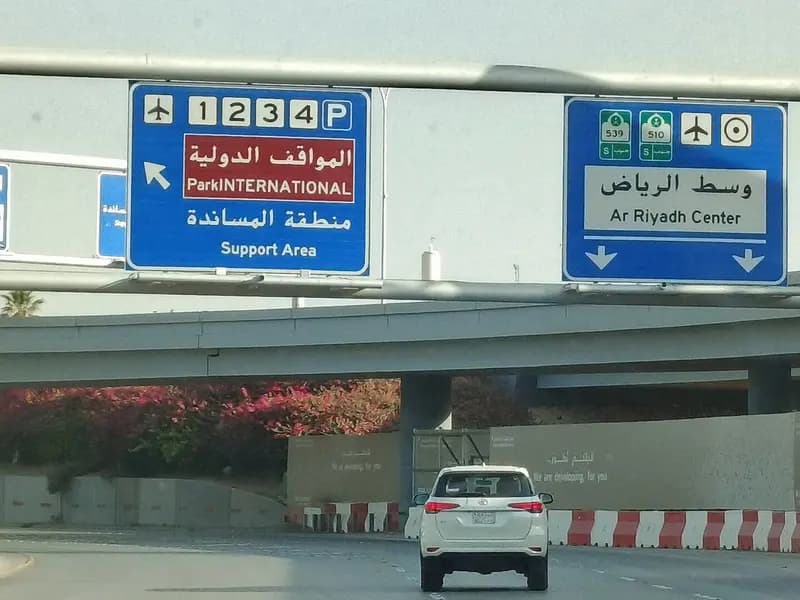
One Visa, One Fee, Six Countries: the Gulf's Schengen Moment Is Reportedly Piloting This Year
A unified GCC tourist visa has been discussed for years and is now said to be entering a pilot phase, at an estimated 100 to 150 dollars for 30 to 90 days. The economics of it are more interesting than the convenience.
Friday, August 21, 2026/3 min read
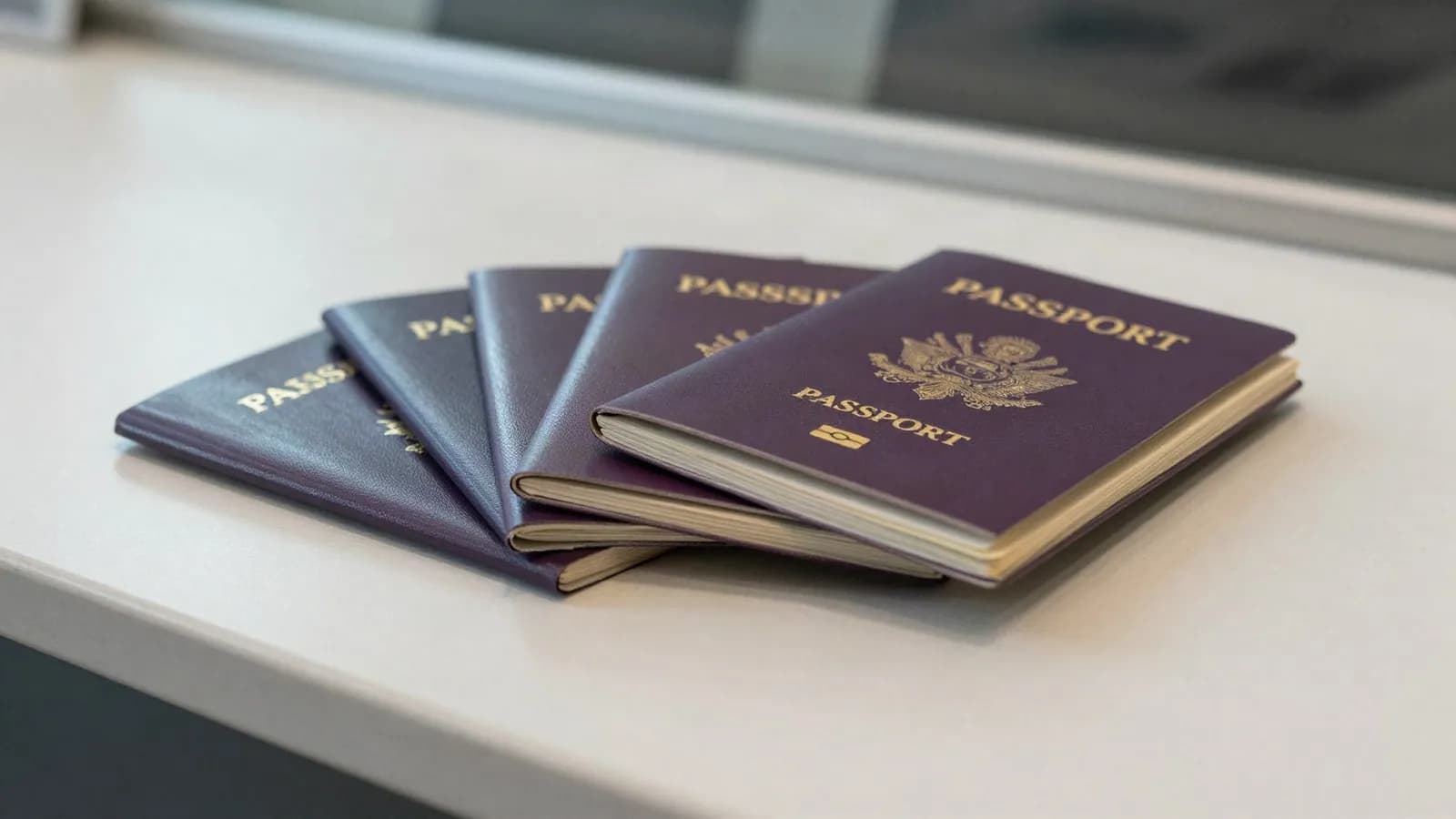
The Gulf has spent two decades building the infrastructure of a major tourist destination and keeping the paperwork of six separate ones. A traveller who wants to see Riyadh, Doha and Muscat on the same trip has historically needed three applications, three fees and three sets of conditions.
That is the thing the unified GCC tourist visa is meant to fix, and after years of being announced as forthcoming it is now reported to be entering a pilot phase.
What is actually proposed?
A single visa covering all six Gulf Cooperation Council states: Saudi Arabia, the United Arab Emirates, Qatar, Bahrain, Kuwait and Oman.
One application, one fee, one permission to move between them. The fee is estimated at somewhere between 100 and 150 US dollars, with validity in the range of 30 to 90 days. A pilot phase has been indicated for late this year.
The comparison everyone reaches for is Schengen, and it is useful as long as the limits are understood. Schengen removes internal border checks between member states. What is described here is a common visa, not a common border, which is a narrower thing: it changes who may enter each country, not how they are processed on arrival.
Why does this matter commercially?
Because it changes the length of the trip, not just the ease of it.
Long-haul visitors make a decision about total value. A traveller flying twelve hours weighs the cost against what they will see, and a destination that requires separate applications for each stop is competing on its own for that decision. A single permission lets six countries compete together against other regions rather than individually against each other.
The mechanism is well understood from Schengen: multi-country access lengthens the average stay and raises total spend, and the smaller members gain most because they become an easy addition to a trip anchored somewhere larger. Bahrain and Oman have more to gain here than Saudi Arabia does.
It also suits how the region's airlines already work. The Gulf carriers built their businesses on connecting traffic, and a visa that turns a transit passenger into a two-city visitor converts a layover into revenue.
What is changing alongside it?
A significant amount of new route capacity, which is the part that makes the visa useful rather than symbolic.
Riyadh Air is opening services including London and Dubai. Flynas has planned a Riyadh to St Petersburg route. Sharjah is being connected to London Gatwick for the first time, and the UAE is gaining first direct links to Spain's Balearic Islands. Gulf Air has opened bookings to resume Bahrain to Kuala Lumpur from late September on the 787-9.
A visa without flights is an administrative gesture. The two together are a strategy, and it is the same diversification logic behind the push to grow non-oil output.
What are the open questions?
Three, and they are the ones that will decide whether this works in practice.
Will it actually launch on schedule? This has been announced as imminent more than once. A pilot is not a rollout, and the sensible position is to treat dates as intentions until an application portal exists.
Who is eligible? A unified visa for nationalities that already receive visas on arrival changes very little. Its value depends entirely on whether it extends to the passports that currently face the most friction, and that is the detail least discussed.
How will residents be treated? A large share of the region's population is expatriate residents whose travel between Gulf states is governed by separate rules. Whether any of this touches them is unclear, and for people living here it is the most consequential question.
Should you plan around it?
Not yet, and there is a better reason than caution.
The Gulf summer is the wrong season for the multi-country trip this visa is designed to enable, and the window that suits it, roughly November to March, is when the region is genuinely at its best and also at its most expensive. If the pilot arrives late this year, the first practical use of it lands squarely in that season, right as the summer exodus reverses and the region refills.
Published in The Outspoken Digest
Editorial desk
Outspoken Digest Travel DeskDestinations, airlines, borders and the practicalities of getting there.
Newsletter
The Digest, in your inbox
One edition, sent when it is ready. No noise, and your address is never passed on.
Read Next
More Travel →
Norte Fire Put 16,000 Under Evacuation Orders in San Clemente, and They Are Now Lifted: What Travelers Should Know
Oct 18, 2026/2 min read

Tropical Storm Trudy Is Forecast to Become a Major Hurricane as It Nears Mexico's Pacific Coast
Oct 15, 2026/2 min read

Portugal Picks Lufthansa Over Air France-KLM for a 44.9 Percent Stake in TAP Air Portugal
Oct 14, 2026/2 min read