The GLP-1 Era: How Weight-Loss Drugs Changed Us
Semaglutide and tirzepatide went from diabetes treatment to celebrity shortcut to a genuine health story. What happens when one drug becomes a cultural moment.
Saturday, April 20, 2024/3 min read
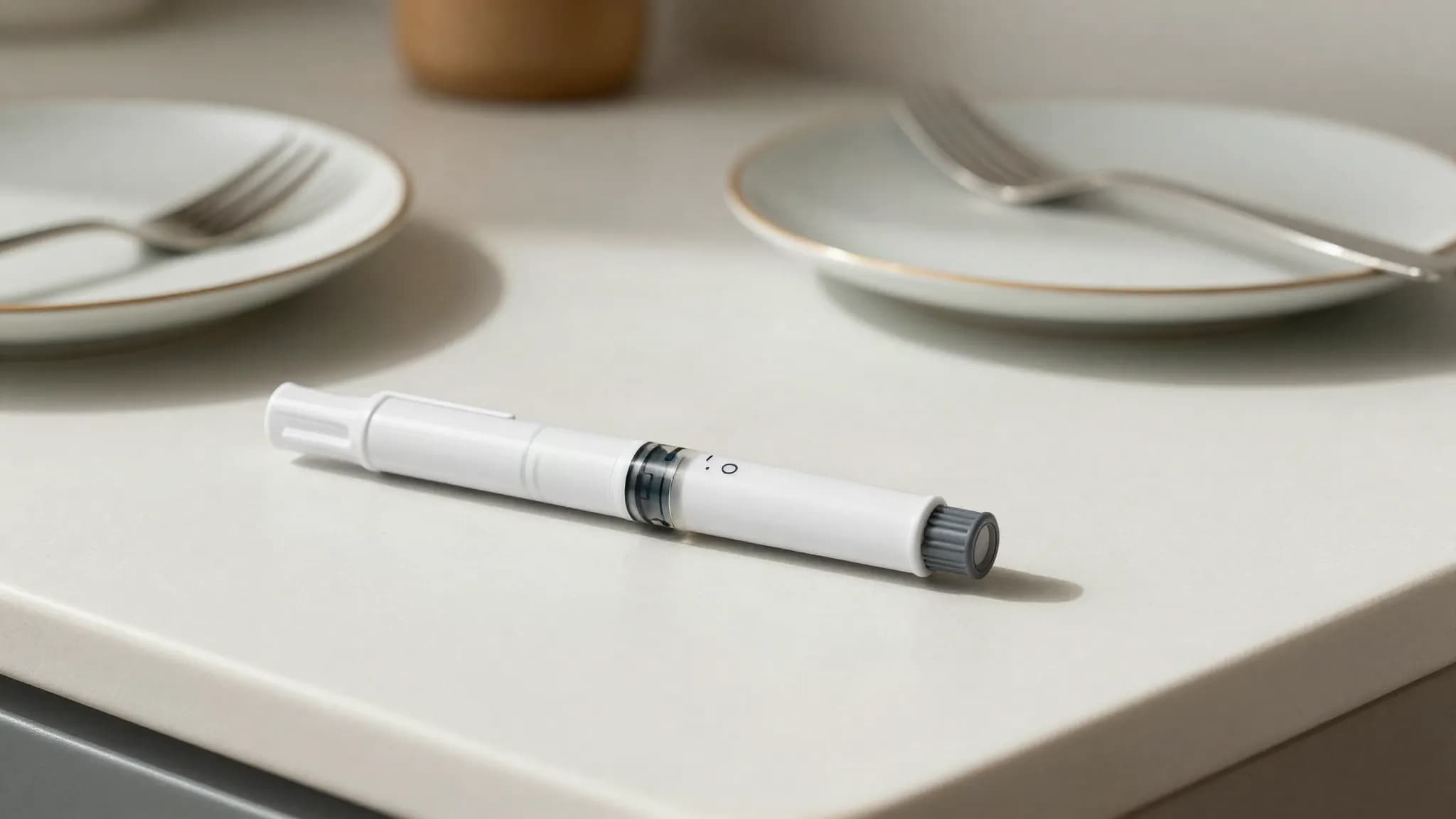
In 2021, the FDA approved semaglutide under the brand name Wegovy for chronic weight management in adults. It was a moment that seemed minor at the time, just another drug entering the landscape of obesity treatment options. By 2024, it had become the center of a cultural storm, a shorthand for medical transformation, and a window into how we think about bodies, health, and the shortcuts we take to change them.
Semaglutide and its cousin tirzepatide are GLP-1 receptor agonists, drugs that mimic a hormone your body naturally produces. Originally developed for type 2 diabetes, these medications work by making you feel fuller longer and regulating your appetite. The weight loss results were dramatic enough that people who didn't need the drugs started using them anyway. Celebrities whispered about it. Shortages became a problem. The drug that was supposed to be one option among many became the option everyone wanted.
The Market Explodes
The global GLP-1 receptor agonist market was valued at $53.46 billion in 2024, with North America accounting for 77% of total revenue. That money keeps flowing into research, manufacturing, and marketing. The shortage that plagued the market starting in 2022 finally began to ease in late 2024, but only after months of desperate patients, frustrated doctors, and celebrities defending their use of medications intended for diabetics.
The pharmaceutical market has rarely seen demand like this. Novo Nordisk and Eli Lilly, the companies making the drugs, couldn't manufacture them fast enough. Insurance coverage became a nightmare to navigate. Some people paid out of pocket, spending hundreds of dollars monthly. Others lost access entirely when supplies ran out.
Beyond Weight Loss
What's important to understand is that GLP-1 drugs do more than simply suppress appetite. According to recent research, these medications have "dramatically reshaped the way obesity is treated," but experts emphasize they represent only one component of treatment. The emerging medical model combines medications, minimally invasive procedures, surgery, and precision medicine to achieve better outcomes.
Scientists have discovered that roughly 10% of people may carry genetic variants that make them less responsive to GLP-1 drugs. This suggests the future of obesity treatment will increasingly involve personalizing care based on individual biology rather than prescribing one medication to everyone. The drugs may work brilliantly for some and do nothing for others.
The Celebrity Question
Hollywood's relationship with Ozempic created the culture war that defined 2023 and 2024. Celebrities who used the drug became targets for criticism about taking medication away from diabetics. Some defended their use openly; others stayed silent. TikTok filled with videos of people documenting their weight loss on semaglutide, sometimes with medical supervision and sometimes without.
This democratization of a prescription drug changed the conversation about obesity. It was no longer a purely medical issue. It became political, moral, and deeply personal. The drug forced uncomfortable questions: Is obesity a disease? Should healthy people use medication to lose weight? Who deserves access to scarce pharmaceuticals?
What the Side Effects Tell Us
The side effects are real and often severe. Users report nausea so intense they can barely eat. Bone loss has emerged as a concern for long-term users. People who stop taking the drug often regain the weight they lost. These aren't minor inconveniences; they're serious complications that suggest GLP-1 drugs, while effective, are not a magic solution.
Researchers are racing to improve weight loss treatments beyond Ozempic and Wegovy, searching for drugs that work without the nausea and bone loss. The next generation of obesity medication is already in trials. Whether it will be better, safer, and more accessible remains to be seen. What's clear is that the public now expects better options than we had before.
The Lasting Change
GLP-1 drugs changed medicine by proving that appetite regulation could be tackled at the hormonal level. They changed society by forcing a conversation about obesity, health, and access that we've been avoiding. They changed culture by making weight loss a public, visible, and sometimes celebrated transformation. Whether that's all positive remains contested.
The GLP-1 era isn't ending. If anything, it's just beginning. As access improves and newer drugs reach market, millions of people will face the choice of whether to use these medications. The conversation will only get louder, messier, and more personal.
Reporting sources: Ozempic changed obesity treatment, but experts say the real revolution is next, New Weight Loss Drugs: GLP-1 Agonist Use and Side Effects in the United States, GLP-1 Statistics & Trends: Usage, Market Size, Pricing & Research, Obesity treatment trends in 2026 and beyond.
Published in The Outspoken Digest
Editorial desk
Outspoken Digest Health DeskMedicine, public health and the research behind the headlines, read carefully.
Newsletter
The Digest, in your inbox
One edition, sent when it is ready. No noise, and your address is never passed on.
Read Next
More Health →
Two Days After the Nobel for Optogenetics, a Small NEJM Trial Shows It Helped Some Blind Patients Detect Objects
Oct 9, 2026/3 min read
WHO Launches a Global Roadmap on Pre-Eclampsia and Pregnancy Hypertension, Tied to 42,000 Maternal Deaths a Year
Oct 8, 2026/3 min read

WHO Says Diet and Exercise Come First and Children Under 10 Should Not Get Weight-Loss Drugs or Surgery
Oct 7, 2026/3 min read

Kenya Confirms Its First Ebola Case, a Man Who Flew In From Uganda After Years in Congo and Died in Nairobi
Oct 6, 2026/3 min read