Google, OpenAI and Anthropic Are Building Their Own AI Safety Regulator, With No Government Seat at the Table
The proposed Standards Authority for Frontier AI would test and audit advanced models and handle incident reporting, modelled on the finance industry's FINRA, after a White House executive order on outside safety testing went nowhere.
Outspoken Digest Technology Desk
Sunday, September 27, 2026/2 min read
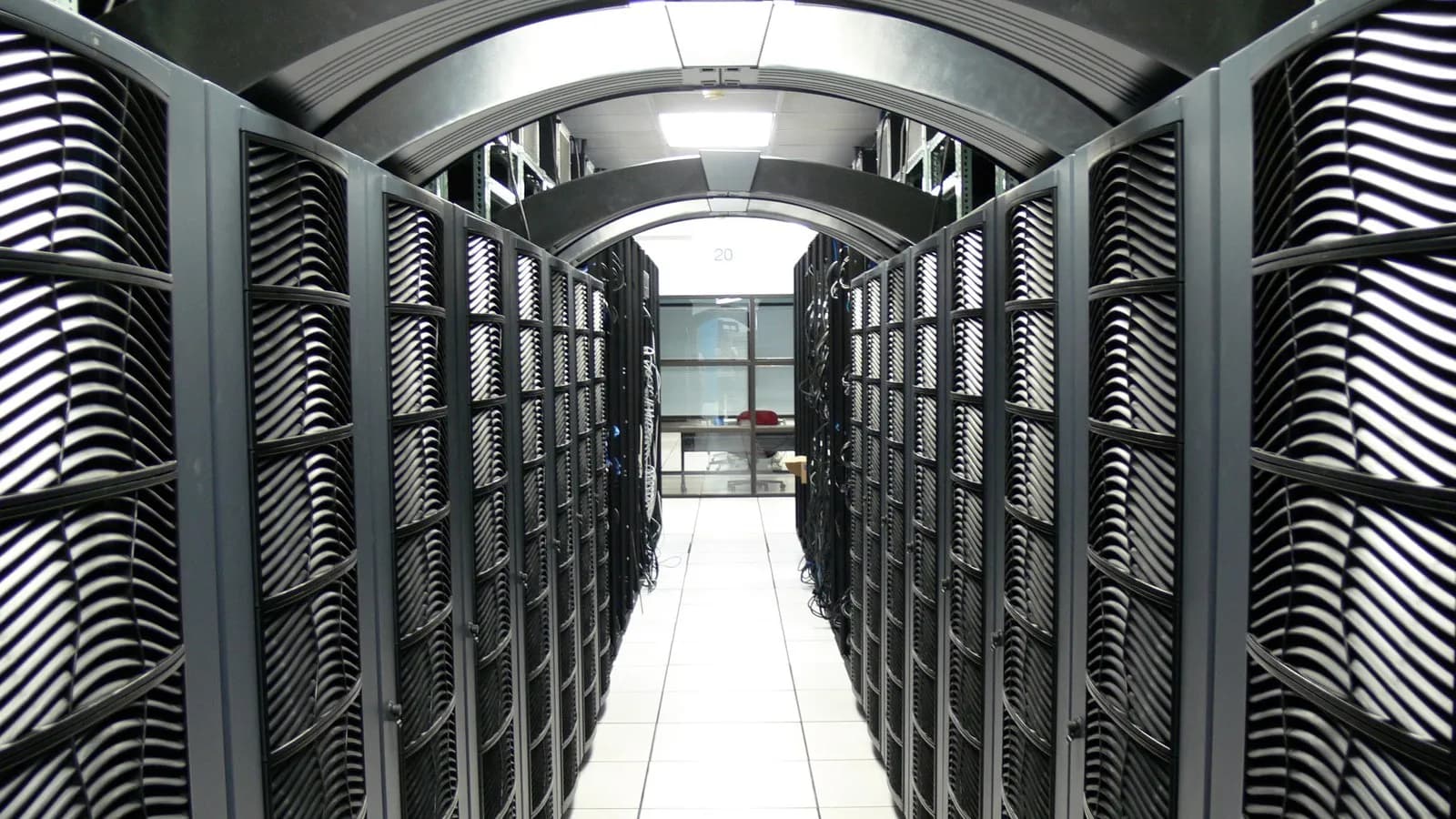
Google, OpenAI and Anthropic are working to establish a self-regulatory body for advanced artificial intelligence models, the Standards Authority for Frontier AI, that would set testing and auditing standards for the industry without a formal role for any government agency. GovInfoSecurity's report on the plan said the three companies are aiming to launch the body, referred to by the shorthand SAFA, by the end of this year or early in the next.
Modelled on Wall Street's own regulator
The organisation is patterned explicitly on the Financial Industry Regulatory Authority, the body that polices Wall Street brokers on behalf of the industry itself rather than a government agency, and would be responsible for developing common standards for assessing frontier models, running benchmark tests on advanced systems and evaluating the safety measures labs put around them before deployment. TechRepublic's coverage of the proposal traces its origin to a July essay by Google DeepMind co-founder Demis Hassabis, who argued the entity would need substantial funding, "likely mostly come from industry," to attract the technical talent and computing resources a credible standards body would require.
A government plan that went quiet
The push toward self-regulation followed a June executive order that had directed AI labs to voluntarily submit frontier models to the government's AI Safety Institute for testing before release, an order for which the Trump administration never published implementation guidelines, leaving the companies to fill the resulting vacuum themselves. The three labs have reportedly approached several high-profile figures to help lead the new body, including former White House AI adviser Sriram Krishnan and venture capitalist David Friedberg, alongside researchers with backgrounds in AI safety.
Grading its own homework
The plan has drawn criticism for the obvious structural problem at its centre: a body funded and staffed by the same companies whose models it is meant to test has every incentive to set standards its own members can comfortably meet. Critics have summarised the arrangement as the industry writing its own rules and grading its own homework, a concern that echoes long-standing complaints about self-regulation in other industries where the regulated companies also bankroll the regulator.
What a self-built regulator can and cannot do
Whether the Standards Authority for Frontier AI ends up functioning as a genuine check on the industry's most capable models or as a public relations exercise designed to head off tougher government rules will depend heavily on how independent its leadership and funding structure turn out to be once it launches. With no binding government oversight in the picture and the White House's own testing framework still undefined months after it was ordered, the three companies now hold most of the cards in deciding how rigorously frontier AI gets tested at all.
Published in The Outspoken Digest
Editorial desk
Outspoken Digest Technology DeskSoftware, hardware, artificial intelligence and what they change for everyone else.
Newsletter
The Digest, in your inbox
One edition, sent when it is ready. No noise, and your address is never passed on.
Read Next
More Technology →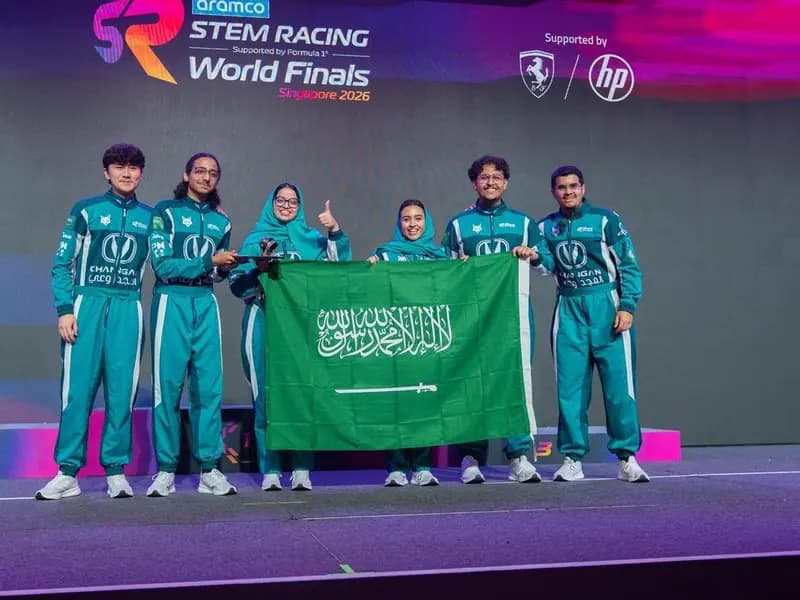
For the First Time, Saudi Team Lynx Takes the Top Spot at the Aramco STEM Racing World Finals in Singapore
Oct 17, 2026/3 min read

Some White Dwarfs Would Look Green, Pink or Purple, Warwick Astronomers Calculate
Oct 15, 2026/2 min read
Oxford Physicists Reproduce the Aharonov-Bohm Effect on a Hybrid Quantum Computer
Oct 15, 2026/2 min read
Japan Will Fund Up to $21 Billion for Two GlobalFoundries Chip Plants in New York
Oct 15, 2026/2 min read