The Gulf Was Forecast a Terrible Year. Brent Is at 84 Dollars
Early in the conflict the projections ran to 150 dollar oil and contracting Gulf economies. Halfway through August the numbers are less dramatic and more interesting than either the panic or the relief.
Outspoken Digest Business Desk
Sunday, August 16, 2026/3 min read
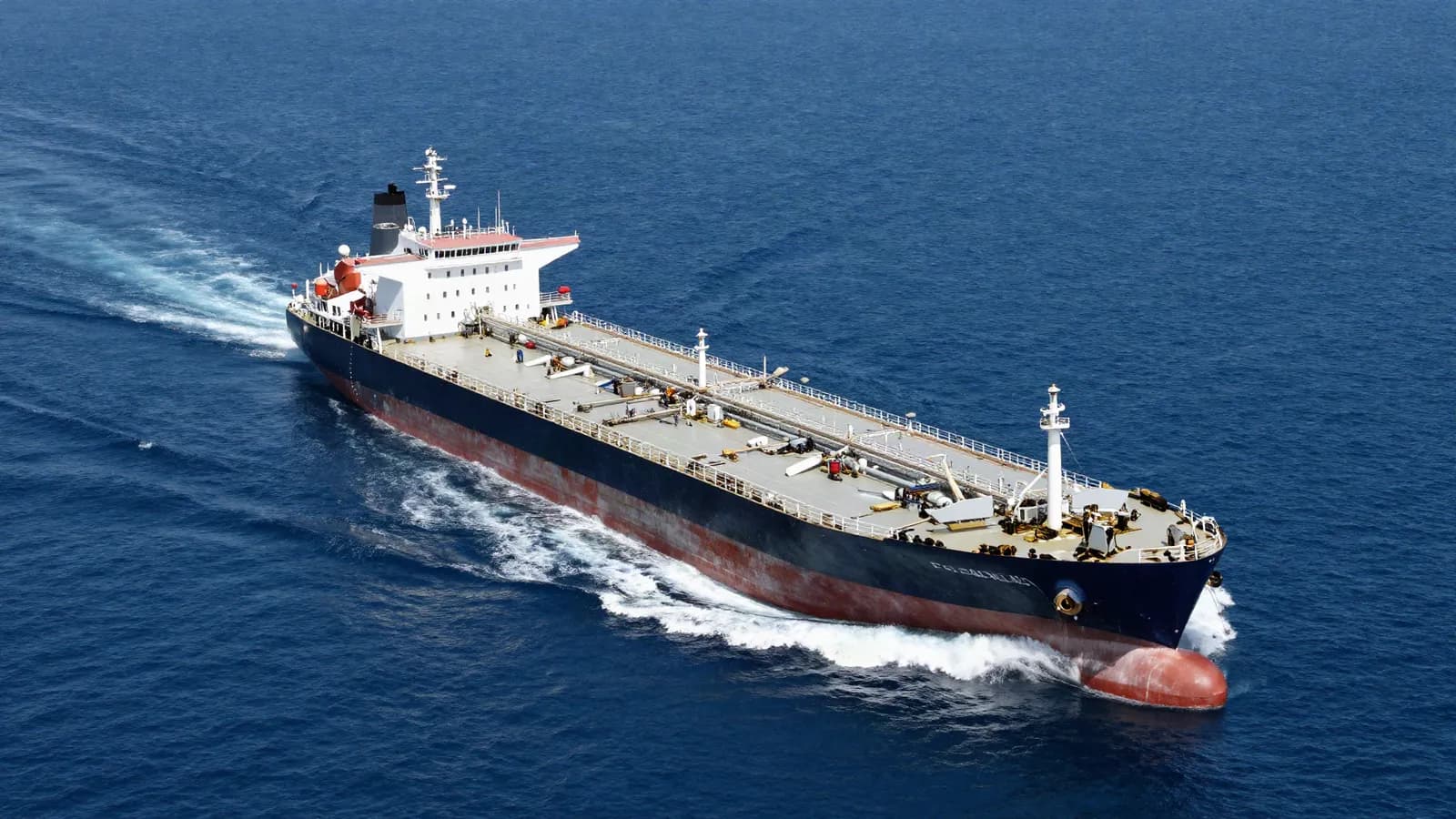
When the region's security situation deteriorated, the forecasts that followed were severe. Oil at 120 to 150 dollars. Gulf growth cut sharply. Trade through the Strait of Hormuz treated as an open question rather than a working assumption.
On 10 August, Brent was trading around 84 dollars. That is one number, and it does not settle anything, but it is a long way from the scenario that shaped most of the commentary earlier in the year.
What the institutions actually forecast
The picture is not uniformly good, and it is worth being precise about who said what.
The IMF cut its 2026 growth forecast for the UAE to 3.1 percent in April, while expecting a rebound to 5.3 percent in 2027. That is a slowdown, not a contraction.
The World Bank was harsher on the region as a whole, cutting its 2026 Gulf growth forecast from 4.4 percent to 1.3 percent, with July projections showing contractions of 8.1 percent in both Kuwait and Qatar, 5.1 percent in Bahrain and 0.5 percent in the UAE, while Saudi Arabia and Oman were expected to stay positive.
Those two readings are not contradictory so much as differently scoped. A regional aggregate dominated by a few badly hit economies can fall while the largest single economy in it holds up.
Where the resilience is coming from
The non-oil economy, which is the part of the Gulf story that has been building for a decade and only gets tested properly in a bad year.
UAE non-oil private sector activity accelerated in July, with new orders and exports both strengthening. That is the survey data rather than the national accounts, and survey data turns first, but it is the series to watch when the question is whether an economy is absorbing a shock or postponing it.
The diversification argument has been made so often in this region that it has become background noise. This year is the first proper audit of it. An economy that grows more slowly while oil is volatile and shipping is disrupted, rather than shrinking, is what diversification was supposed to buy.
The risks that have not gone away
Three, and none of them are priced as settled.
Shipping. A UAE state-owned oil company reported a vessel attacked in the Strait of Hormuz. Insurance and routing costs respond to incidents like that immediately, and they feed into everything that moves by sea, which in this region is most things.
Prices in the pipeline. Saudi consumer inflation stayed modest in July, but wholesale prices rose by more. Wholesale is upstream of retail. A gap of that shape usually resolves in one direction, and the lag is measured in months rather than weeks.
The oil price itself. Eighty-four dollars is comfortable for producers and unremarkable for consumers, which is precisely why it commands no attention. It also has not been stable long enough to plan a budget around.
Why were the early forecasts so wrong?
They were not exactly wrong. They were conditional, and the conditions did not all occur.
Forecasts made in the first weeks of a conflict price the tail: what happens if the strait closes, if a major facility is hit, if the disruption lasts a year. Those scenarios were real possibilities and remain possible. What has happened instead is a long period of elevated risk without the specific catastrophic events, which is the modal outcome of most crises and the least interesting to write about.
The lesson is not that the analysts panicked. It is that a headline number reported without its condition attached becomes a prediction, and predictions are what people remember.
What to watch through the autumn
The non-oil purchasing managers' surveys month by month, because they turn before official statistics. The gap between wholesale and consumer inflation in Saudi Arabia, because that is where a supply shock shows up in household budgets. And shipping insurance rates through Hormuz, which are the most honest live indicator of how the market actually reads the risk, as opposed to how commentary reads it.
Our earlier piece on the deal backlog waiting on regulators covers the other half of the region's business year, and the autumn exhibition calendar is where a lot of it gets transacted.
Published in The Outspoken Digest
Editorial desk
Outspoken Digest Business DeskCompanies, markets and the money moving through the region.
Newsletter
The Digest, in your inbox
One edition, sent when it is ready. No noise, and your address is never passed on.
Read Next
More Business →
Kospi Plunges Almost 8 Percent and the Nikkei Falls 5 Percent as the Tech Sell-Off Spreads to Asia
Oct 15, 2026/2 min read
Hot September Inflation Report Hands the S&P 500 Its Worst Day Since July as AI Stocks Sink
Oct 15, 2026/3 min read

Jio Platforms Sets IPO Price Band at Rs 1,065 to Rs 1,119, Opening Subscription on 21 October
Oct 14, 2026/2 min read
Starbucks Says It Is Not Buying Chipotle, Ending a Four-Day Takeover Story and Costing Chipotle About 4 Percent
Oct 13, 2026/2 min read