Kospi Plunges Almost 8 Percent and the Nikkei Falls 5 Percent as the Tech Sell-Off Spreads to Asia
Samsung and SK Hynix both lost more than 11% in Seoul after Wall Street's worst day since July, and analysts and the IMF warned that Asia is heavily exposed to the AI boom.
Thursday, October 15, 2026/2 min read
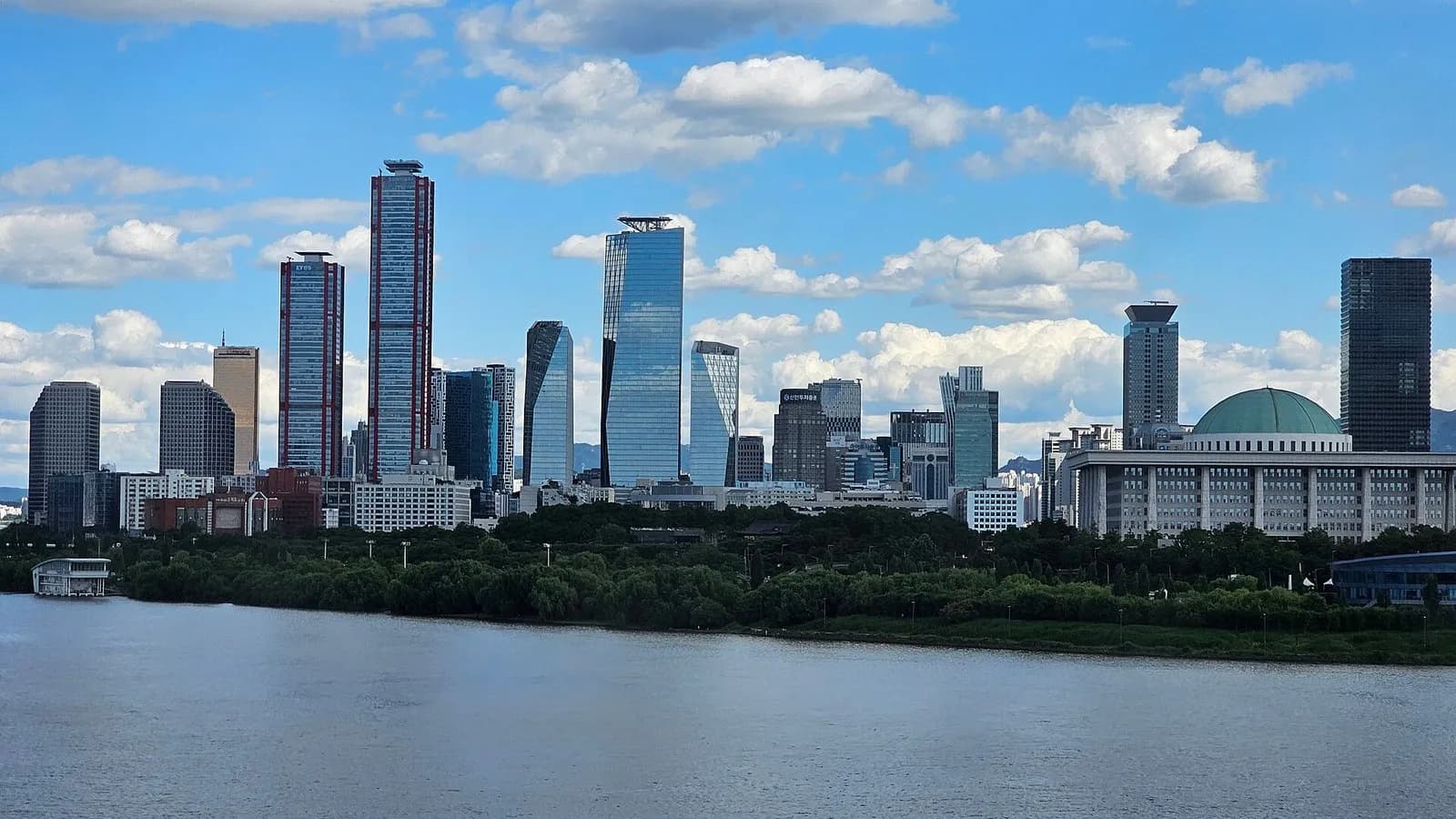
Seoul took the worst of it. South Korea's benchmark Kospi index fell 7.9 percent to 5,532.74 on Thursday, the Associated Press reported, extending a tech sell-off that began on Wall Street when a hot inflation report hit chip and AI stocks. The index is down more than 16 percent over the past month and far below its June record, which topped 9,000.
Japan's Nikkei 225 fell 5 percent to 64,340.84, and Taiwan's Taiex dropped 3.4 percent, per the AP report.
Why did Asian stocks fall on Thursday?
The trigger came from the United States. On Wednesday the S&P 500 had its worst day since July after September consumer prices rose 3.7 percent from a year earlier, above forecasts, which we covered in our market report. Nvidia fell 3.2 percent, Broadcom 3.1 percent and AMD 5.7 percent in New York, and Asia, which makes and supplies much of the AI hardware, followed. Analysts quoted by The National pointed to fears of rising competition and peak profit growth in chips, along with tighter financial conditions from higher yields and a stronger dollar.
The AP quoted Lorraine Tan of Morningstar saying that risks to AI spending growth could slow demand for chips and equipment. The National added that the IMF has warned that a correction in AI investment or valuations could weigh disproportionately on Asia, given the region's central role in tech supply chains.
Which stocks fell the most?
Samsung Electronics lost 11.4 percent and SK Hynix 12 percent, two of the biggest names on the index, per the AP. In Tokyo, SoftBank Group fell 9.4 percent, Tokyo Electron 7.8 percent and the memory maker Kioxia 13.1 percent.
Taiwan's TSMC dropped 2 percent before its earnings, which then showed better-than-expected profit, with AI demand described by the company as very strong, the AP said. This was not the first drop of the week: the AP reported that the Kospi had already fallen 5.5 percent on Tuesday on worries that China's memory chipmaker CXMT could challenge Samsung, SK Hynix and Micron, per its earlier report.
What about bonds and oil?
The 10-year US Treasury yield was 5.11 percent early Thursday, after briefly rising above 5.32 percent on Wednesday. It hit 5.35 percent earlier this month, its highest since 2002. Brent crude fell 1.6 percent to $104.34 a barrel and US crude 1.2 percent to $93.98, against a Brent price of about $72 before the Iran war began in late February. Hong Kong's Hang Seng fell 1.4 percent and the Shanghai Composite 2 percent, while Australia's S&P/ASX 200 slipped only 0.1 percent.
US stock futures were mixed. Investors will now watch whether Seoul and Tokyo steady on Friday, and the Federal Reserve meeting on 27 and 28 October.
Published in The Outspoken Digest
Editorial desk
Outspoken Digest Markets DeskReports for The Outspoken Digest across Business, Crypto.
Newsletter
The Digest, in your inbox
One edition, sent when it is ready. No noise, and your address is never passed on.
Read Next
More Business →
Hot September Inflation Report Hands the S&P 500 Its Worst Day Since July as AI Stocks Sink
Oct 15, 2026/3 min read

Jio Platforms Sets IPO Price Band at Rs 1,065 to Rs 1,119, Opening Subscription on 21 October
Oct 14, 2026/2 min read

Starbucks Says It Is Not Buying Chipotle, Ending a Four-Day Takeover Story and Costing Chipotle About 4 Percent
Oct 13, 2026/2 min read

Wall Street Ends Mixed Near Records as Chip Stocks Slide, Oil Climbs and Traders Await Wednesday's Inflation Report
Oct 13, 2026/2 min read